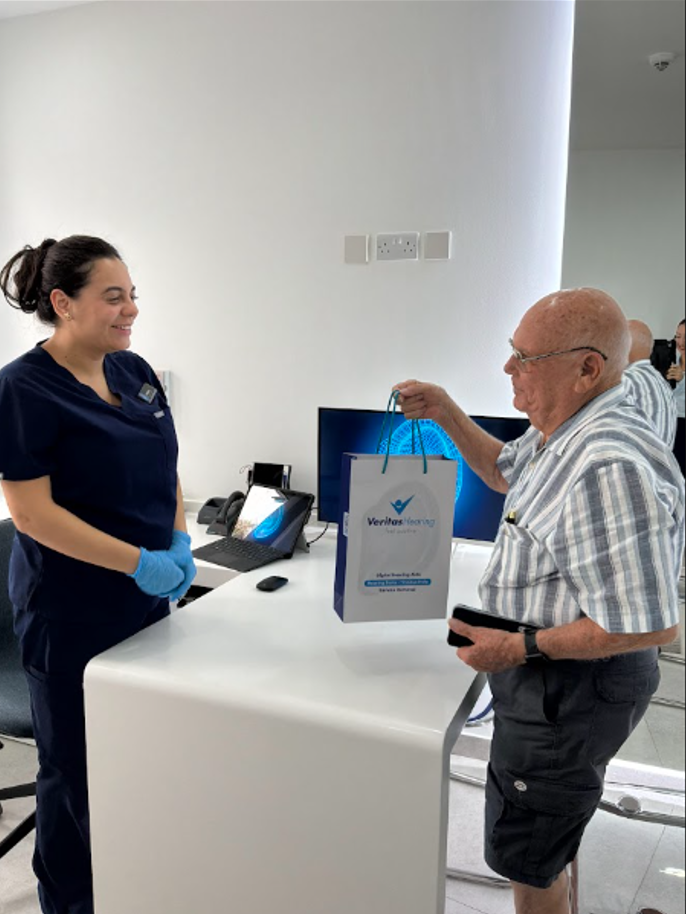
Is It Appropriate to Gift a Hearing Consultation to a Loved One?
If you’re wondering whether it’s appropriate to gift a hearing consultation to a loved one, the short answer is yes!


Many of us enjoy giving our homes a thorough spring clean, so why not do the same for your hearing aids?
Regular cleaning is essential to keep your hearing aids in excellent working order. If you build it into your routine from the start, it becomes second nature and helps prevent avoidable issues later on.
Most hearing aids come with a cleaning kit, typically including small brushes and soft cloths designed to remove dust and debris safely. If yours didn’t, there are plenty of affordable options available online.
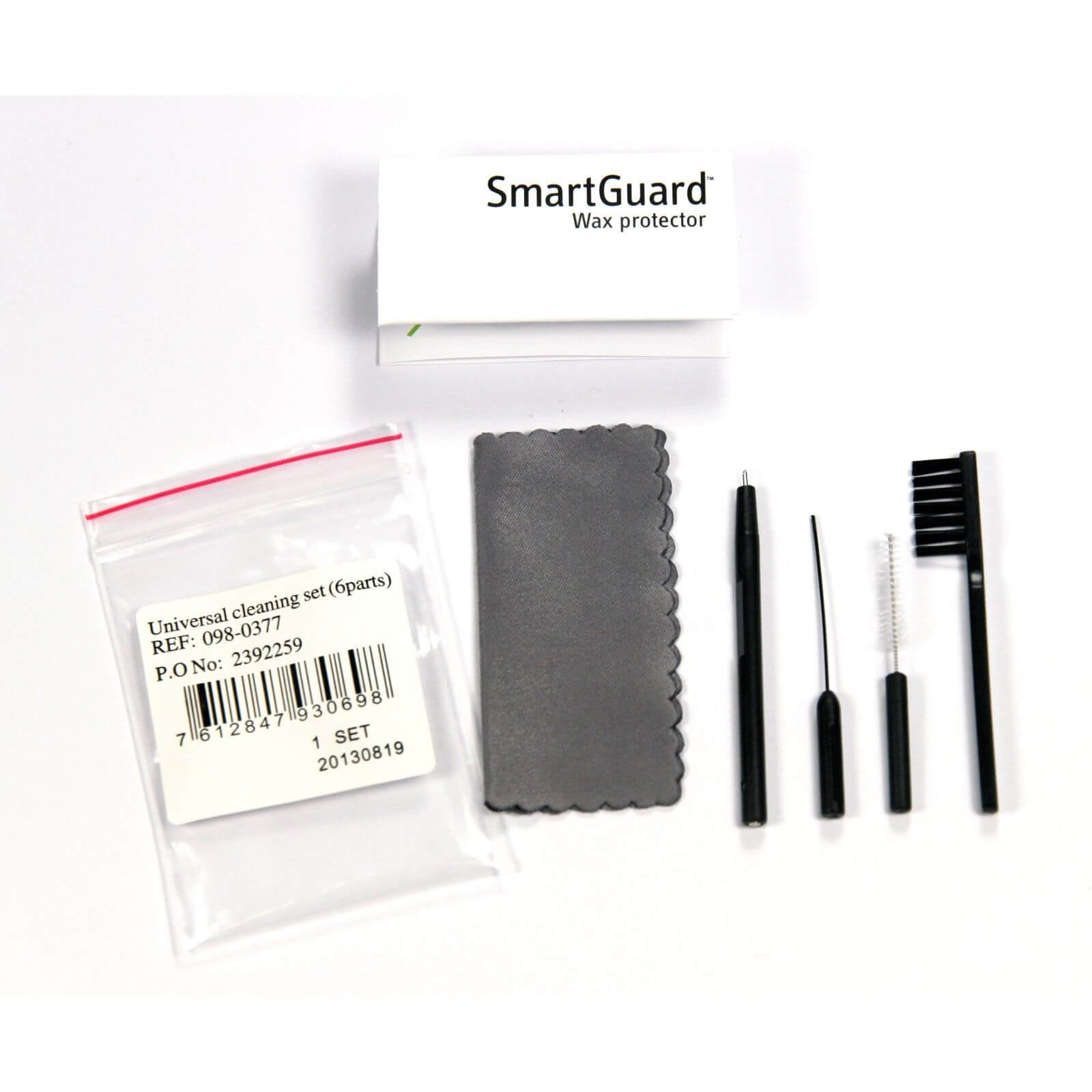
An example of a hearing aid cleaning kit.
Start with a visual inspection. This will help you spot any obvious wax build-up or debris and decide which tools you’ll need.
Once clean, check whether your wax filters and domes (if applicable) need replacing. As a general rule, these should be changed at least once a month to prevent blockages that could affect sound quality.
Unfortunately, spring doesn’t just bring sunshine — it also marks the start of hay fever season.

Springtime brings the beginning of the hay fever season.
Hay fever is an allergic reaction to pollen and can cause inflammation, congestion, and sinus pressure. This can sometimes affect the ears, leading to:
During allergy season, your body may produce more mucus, which can increase pressure in the ear canal and contribute to wax build-up. If excess wax is left untreated, it may impact your hearing and the performance of your hearing aids.
If you wear hearing aids, it’s especially important to:
If you suspect a wax blockage, professional ear wax removal is a quick and comfortable solution that can restore clarity and relieve discomfort.
As temperatures rise, your hearing aids may face new environmental challenges.
Hearing aids are sensitive electronic devices and are not designed to withstand prolonged exposure to heat. On hot days:
If you’re heading on holiday or spending time at the beach, take extra care. Sand can easily enter small openings and cause blockages similar to wax build-up. Always wash and dry your hands thoroughly after handling sand before touching your hearing aids.
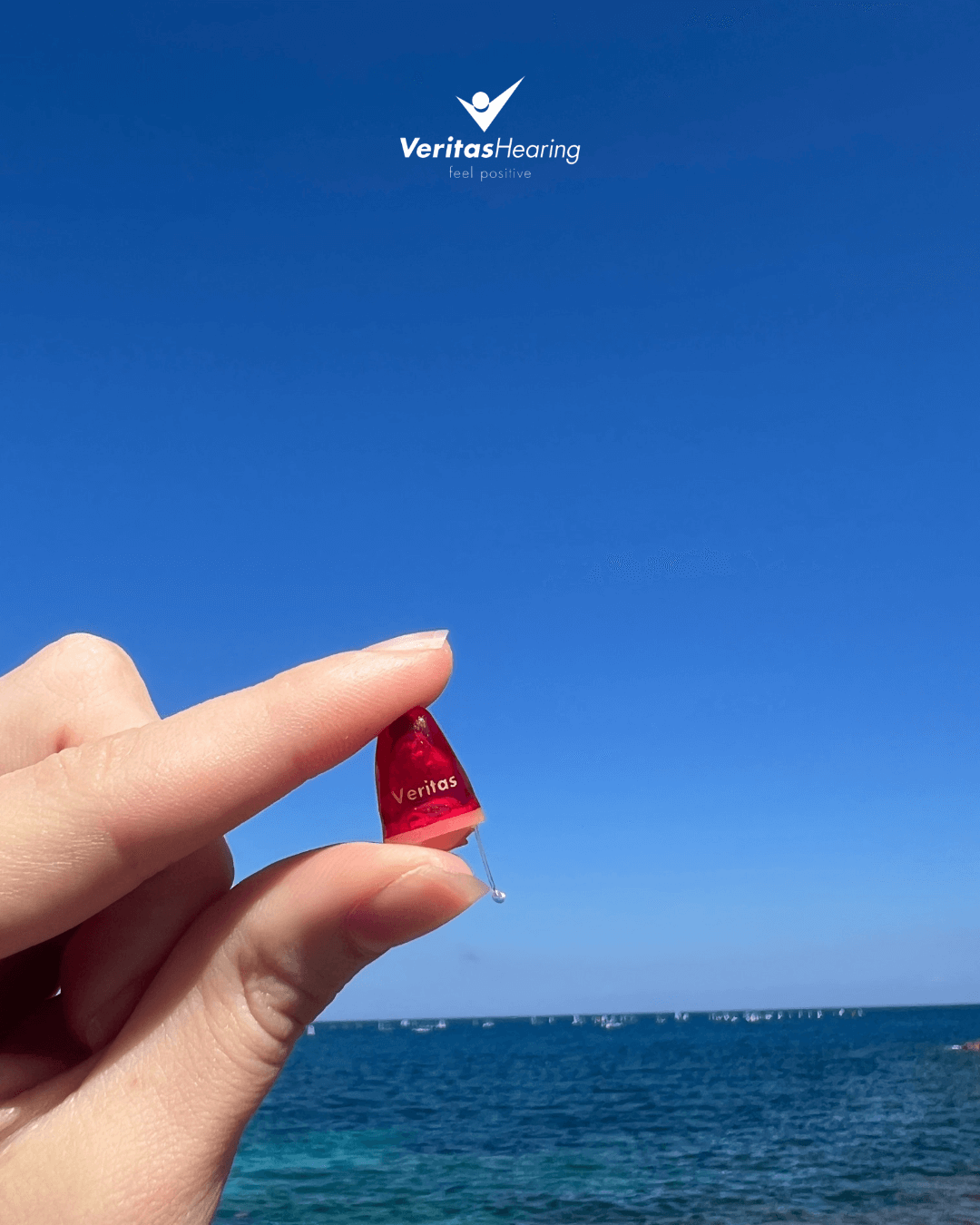
Be careful with your hearing aids at the beach.
And of course, if you’re going for a swim in the sea or pool, remove your hearing aids first. While some newer models are water-resistant or waterproof, most hearing aids are not designed for full water exposure.
Seasonal changes don’t need to disrupt your hearing. With a few simple adjustments, you can keep your hearing aids performing at their best all year round.
If you ever need advice or support, don’t hesitate to get in touch. And if you’re ready to begin your hearing journey, why not book a hearing consultation? We’d be delighted to help.
If you’re wondering whether it’s appropriate to gift a hearing consultation to a loved one, the short answer is yes!

Noise is simply part of modern life. From constant construction and roadworks to rush-hour traffic, aircraft overhead and the hum
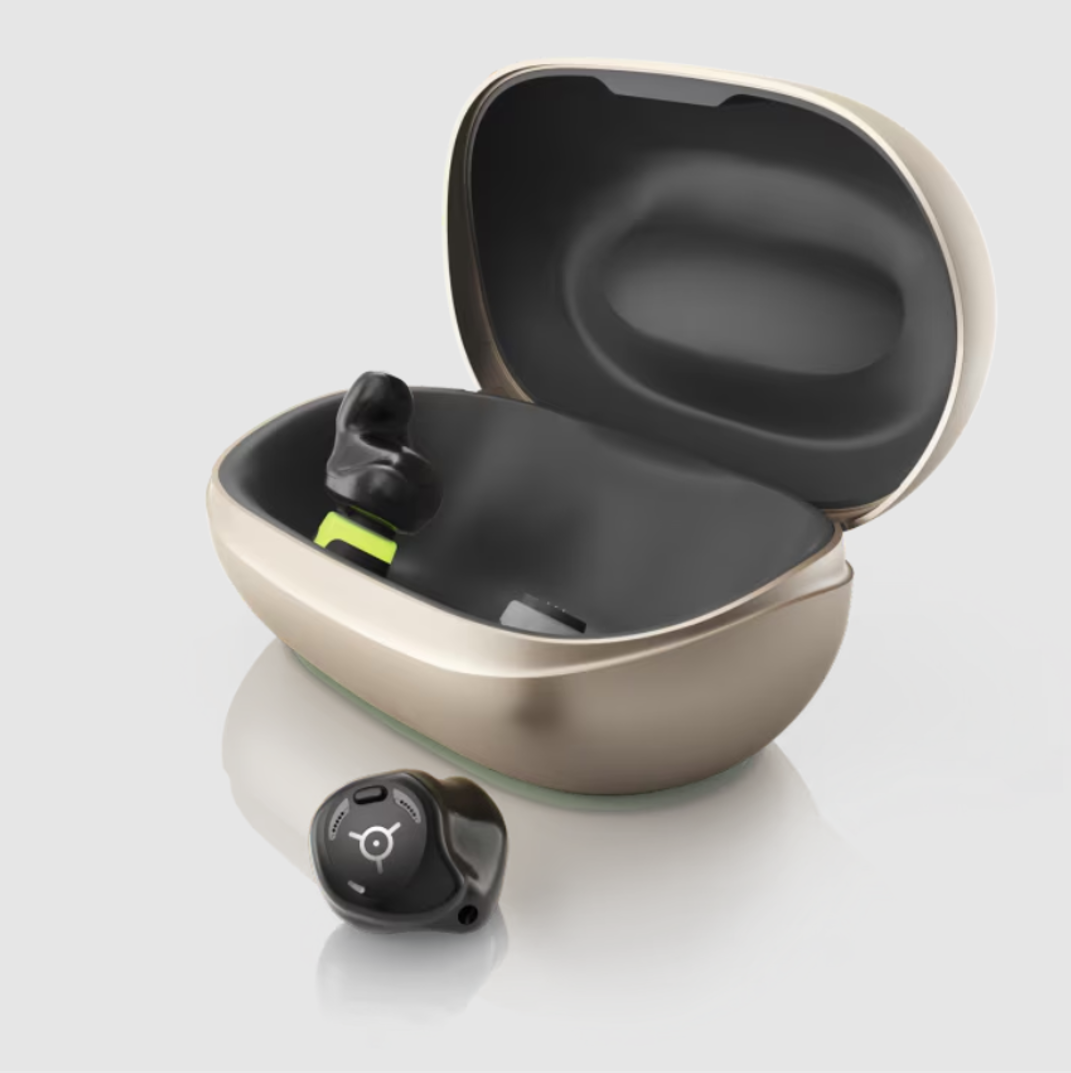
For many people, accepting that they have hearing loss can take time. In fact, it can be several years before