
Is It Appropriate to Gift a Hearing Consultation to a Loved One?
If you’re wondering whether it’s appropriate to gift a hearing consultation to a loved one, the short answer is yes!


What many people don’t realise is that balance issues and hearing loss are often closely connected. But how exactly does hearing affect balance, and could untreated hearing loss increase your risk of falling?
The answer lies within the inner ear, which is responsible for both hearing and balance.
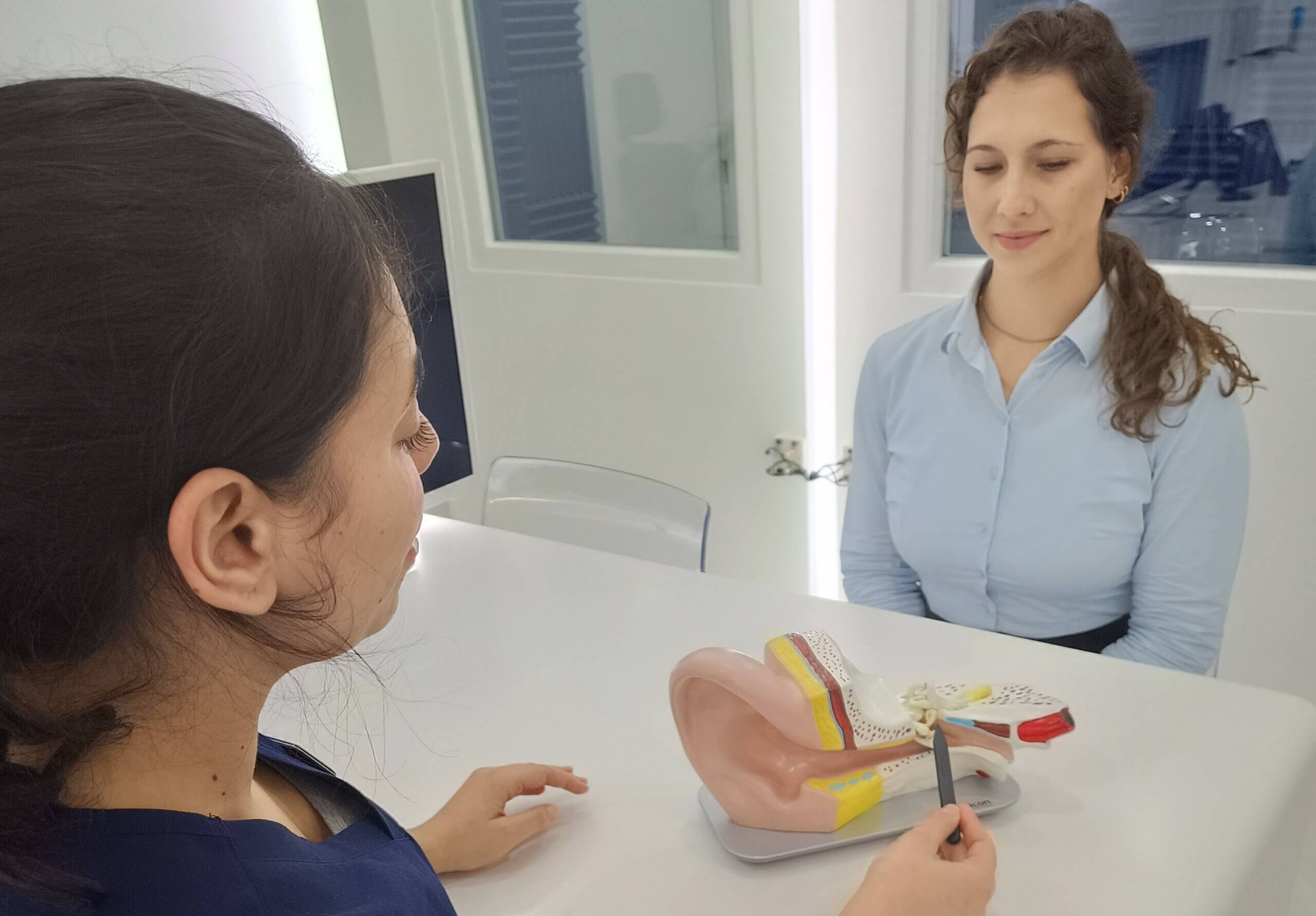
Located deep inside the ear is the vestibular system, the body’s balance centre. This complex system consists of three fluid-filled, loop-shaped canals that detect head movements and rotation. At the base of these canals are two sensory organs called the utricle and saccule, which monitor the position of the head in relation to gravity and detect movements such as moving forwards, backwards, up and down.
Whenever your head moves, the vestibular system sends signals through the vestibular nerve to the brain. The brain then combines this information with input from your eyes, muscles, joints, and skin receptors to help you maintain stability and coordination.
When all these systems work together effectively, balance feels effortless. However, when one component is affected, problems can arise.
The hearing organ, known as the cochlea, sits right next to the vestibular system within the inner ear. These structures share fluid pathways and nerve connections, meaning that damage affecting one area can sometimes impact the other.
Research suggests that hearing loss and balance disorders often occur together, particularly as we get older. There are several reasons for this.
Hearing helps us stay aware of our environment. Sounds provide important clues about what is happening around us, helping us navigate safely and react to potential hazards. When hearing is reduced, this awareness can diminish, increasing the likelihood of trips and falls.
It’s important to keep your brain stimulated and healthy.
When hearing loss goes untreated, the brain has to work much harder to interpret sounds and conversations. This extra mental effort, known as cognitive load, can divert attention away from other important tasks, including maintaining balance and coordination.
Because the cochlea and vestibular system are closely connected, age-related changes or damage within the inner ear may affect both hearing and balance simultaneously.
The good news is that treating hearing loss may help improve balance and reduce the risk of falls.
Studies have shown that people who wear hearing aids consistently may experience a significantly lower risk of falling compared with those who leave their hearing loss untreated. Some research suggests that hearing aid use can reduce fall risk by as much as 50%.
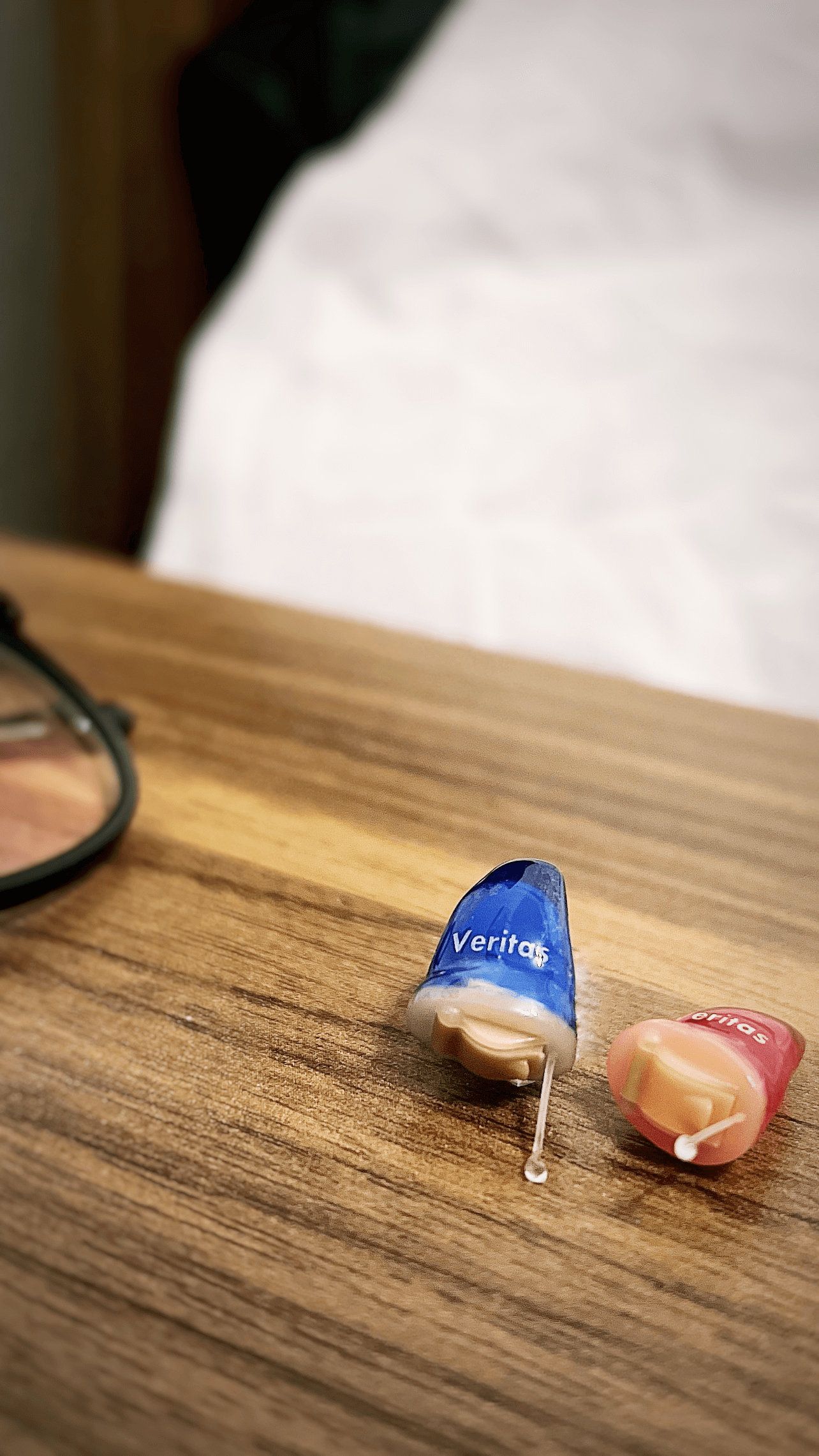
Hearing aids can help by:
For the greatest benefit, it’s important to wear your hearing aids regularly and follow the advice of your hearing care professional.
While ageing naturally increases the risk of balance problems, there are steps you can take to stay safe, active, and independent.
If you’ve noticed difficulties hearing conversations, feel unsteady on your feet, or have experienced recent falls, it may be worth booking a hearing assessment. Identifying and treating hearing loss early could help improve not only your hearing health but also your overall balance and quality of life.
A qualified hearing care professional can assess your hearing, discuss any concerns, and recommend the most suitable treatment options for your needs.
If you’re wondering whether it’s appropriate to gift a hearing consultation to a loved one, the short answer is yes!

Noise is simply part of modern life. From constant construction and roadworks to rush-hour traffic, aircraft overhead and the hum
For many people, accepting that they have hearing loss can take time. In fact, it can be several years before