
Looking After Your Hearing Aids While on Holiday
Hearing aids play a vital role in keeping you connected and confident in social situations. When you’re travelling, it’s important


Due to the uncomfortableness and irritability of tinnitus, the effects can be debilitating and include fatigue, stress, difficulty concentrating and carrying out tasks, sleep problems, headaches and depression. If your tinnitus is being caused by an underlying condition, then it is the condition that will need to be treated first and foremost.
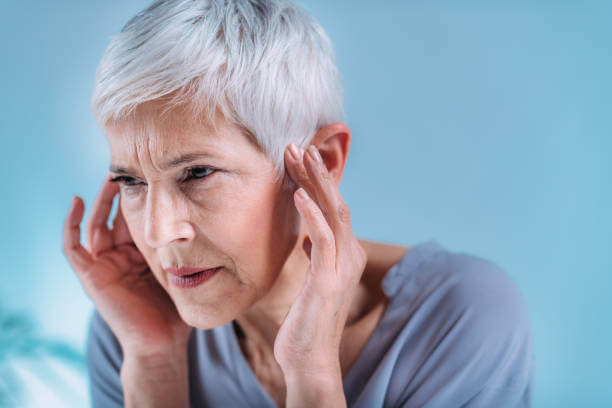
Tinnitus can be very debilitating for sufferers.
The mental health effects of tinnitus can be very distressing for sufferers. A recent study at the end of 2023 found that out of the 478 participants, 1 in 5 experienced thoughts of suicide or self-harm in the previous 12 months. More than 80% of people reported feeling anxious and having a low mood. Over 85% of people reported that they experienced a disturbed sleep. The findings of the study clearly show that suffering with tinnitus can have a huge emotional toll on a person. It can affect your relationships resulting in social isolation. All of this is why it is so important that we start discussing tinnitus openly and honestly.
We always advise that you visit an audiologist if you are struggling with tinnitus, however sound therapy is something you can start on your own. Approximately 90% of people who suffer with tinnitus have some degree of hearing loss. Hearing loss can be treated with hearing aids. Hearing aids help with tinnitus as they offer a form of sound therapy. By re-establishing the connection to the brain, being able to hear again provides a distraction from the tinnitus making it less bothersome. This is because the brain can stop searching so hard for the sound it is missing.
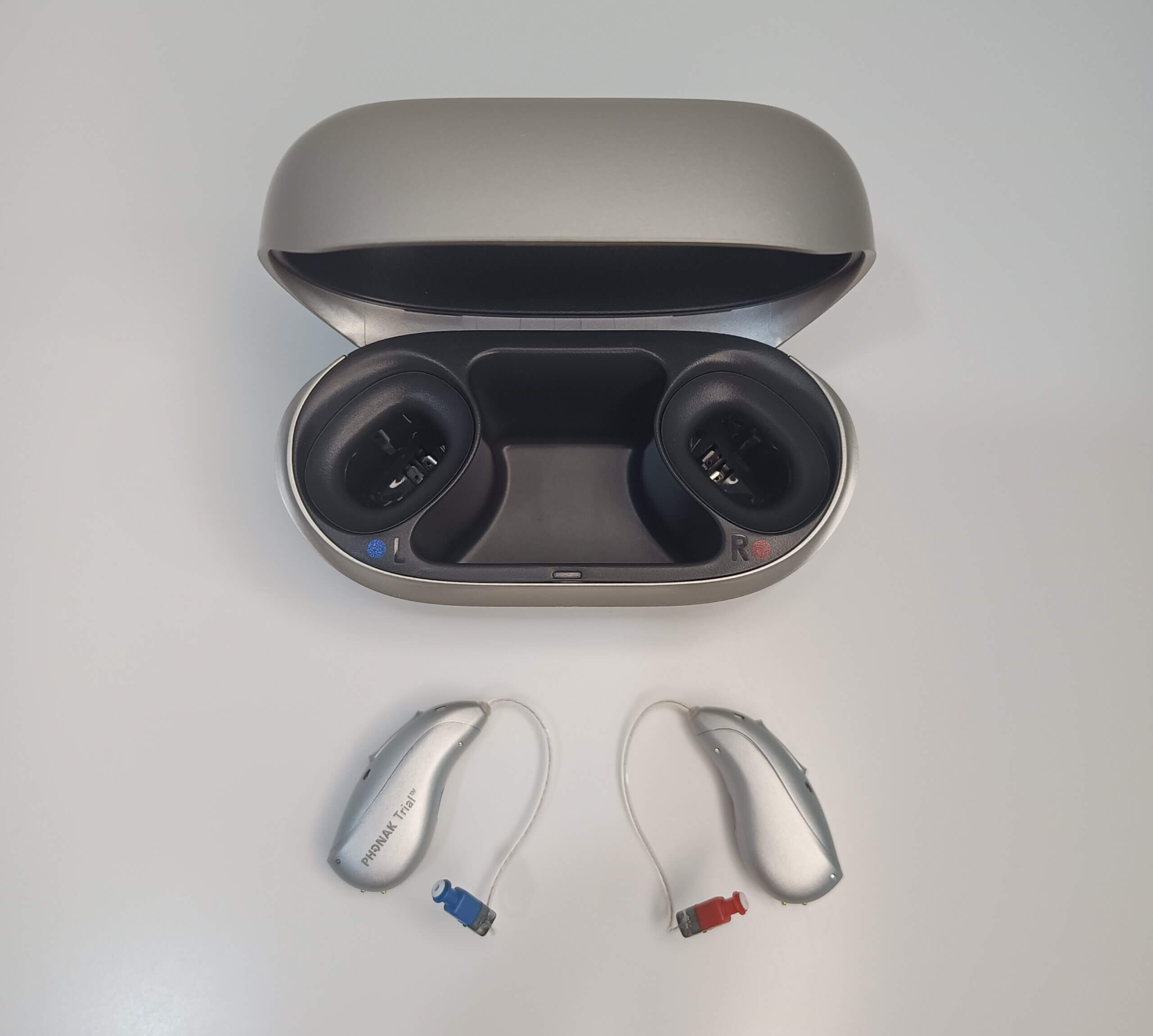
Wearing hearing aids can help with the effects of tinnitus.
The majority of hearing aids come with a tinnitus masking program which provides sound therapy. This is often accessed via an app on your phone. The masking takes the form of nature or calming sounds like ocean waves or white noise. You can choose when to activate the program.
You should first select a sound that is relaxing to you. Sounds of nature and calming noises are usually the best kind of noise to choose. It’s a good idea to have a white noise app on your phone or device that you can access. Whenever your tinnitus becomes bothersome, play your relaxing sound through some headphones. Be sure not to play the sound too loud and take a break after an hour. Once you notice your tinnitus dying down, you can turn your white noise down even further or turn it off.
If you would like further advice on tinnitus, or to book in for a tinnitus consultation, please get in touch.
Hearing aids play a vital role in keeping you connected and confident in social situations. When you’re travelling, it’s important
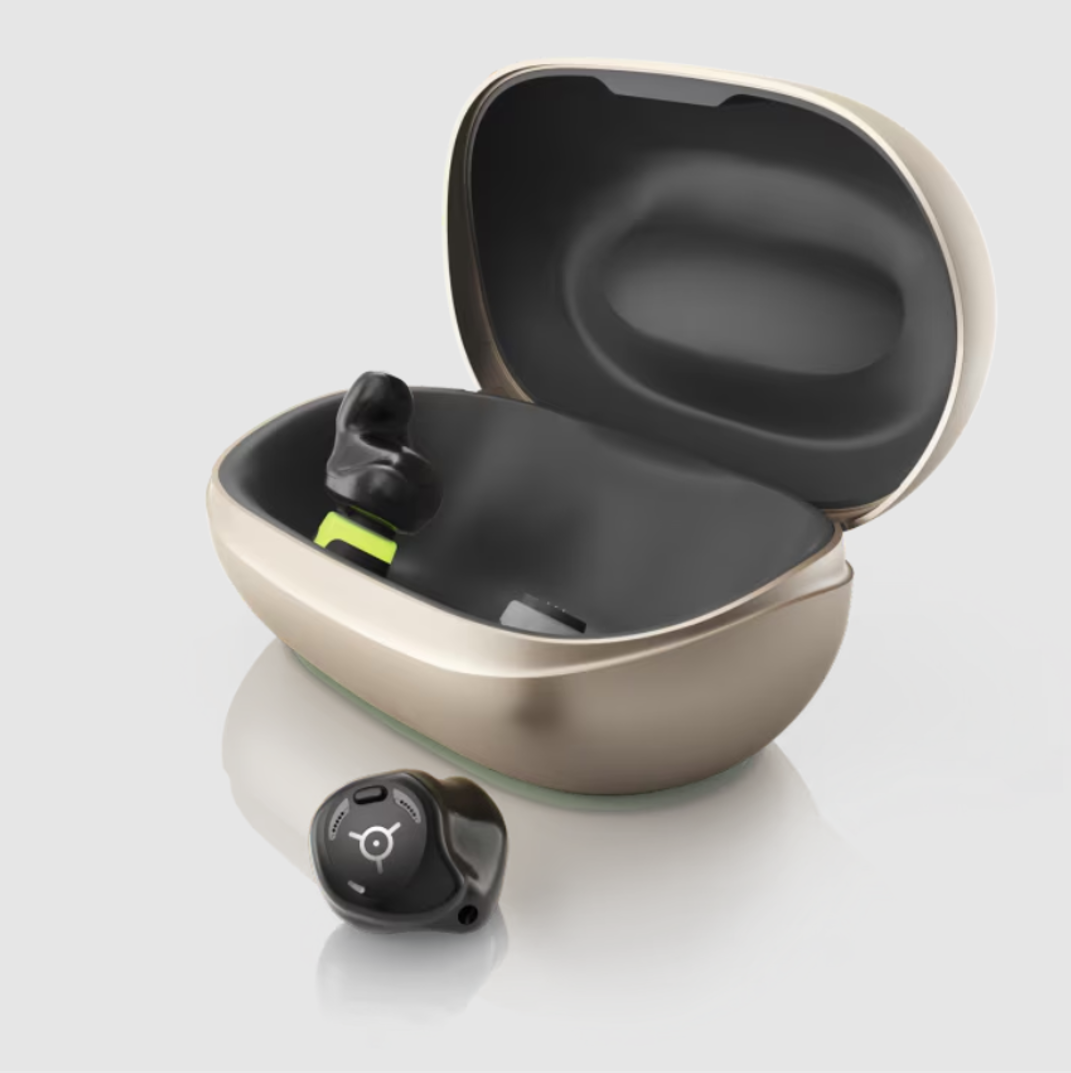
You’ve taken the step and invested in your new hearing aids, and you’re getting on brilliantly. But what else is
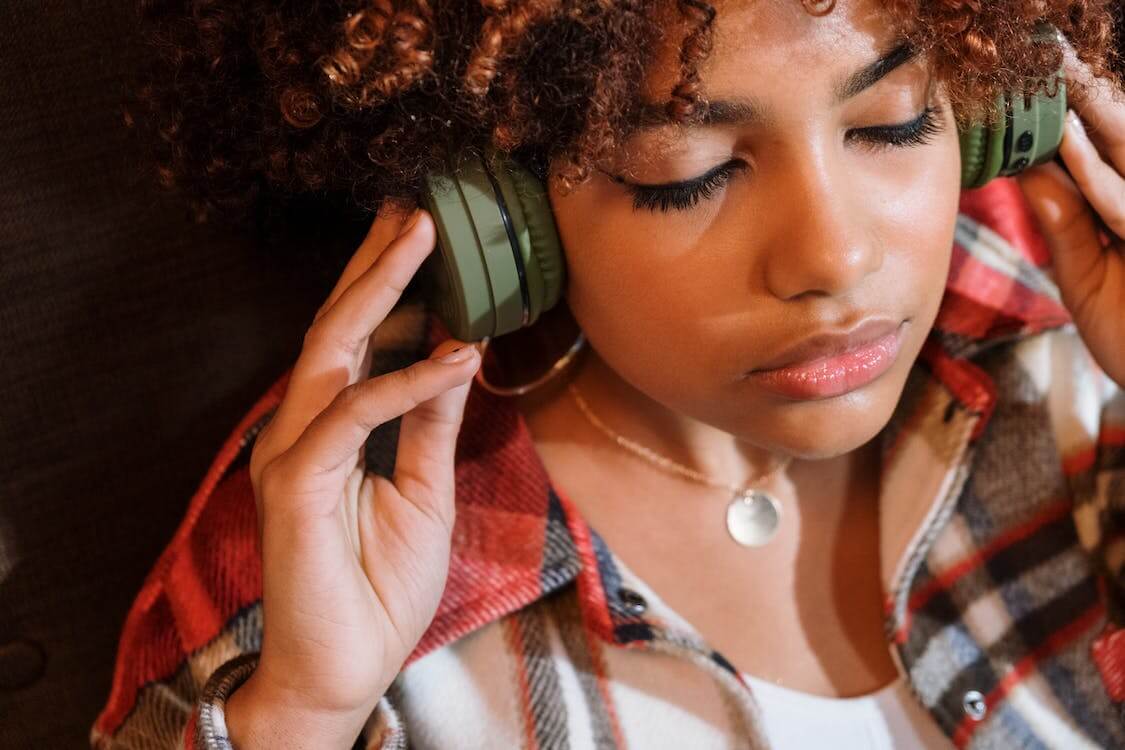
It’s estimated that around 1 billion people aged 12–35 are at risk of developing hearing loss due to listening to