
Looking After Your Hearing Aids While on Holiday
Hearing aids play a vital role in keeping you connected and confident in social situations. When you’re travelling, it’s important


There are 3 different types of hearing dog: a full hearing dog, a sound support dog and a companion dog. A hearing dog will work both in and outside of the house and a sound support dog will only work inside of the house. A companion dog is more to provide emotional support and companionship rather than to be a working assistance dog.
This type of assistance dog is trained to internationally recognised standards to perform tasks to provide support to an individual with hearing loss. Hearing dogs are assistance dogs (in the same way that guide dogs are) and so have a legal right to accompany their individual to places where pet dogs are not usually allowed.
They are able to provide assistance inside and outside of the home. At home, they can alert a deaf person to important sounds. This can range from the smoke alarm, an oven timer and the doorbell. Outside of the home, a hearing dog will wear a burgundy jacket to let others know that this is a working dog. It also alerts others to the fact that the person with the dog is deaf. This can provide comfort and confidence to the deaf individual.
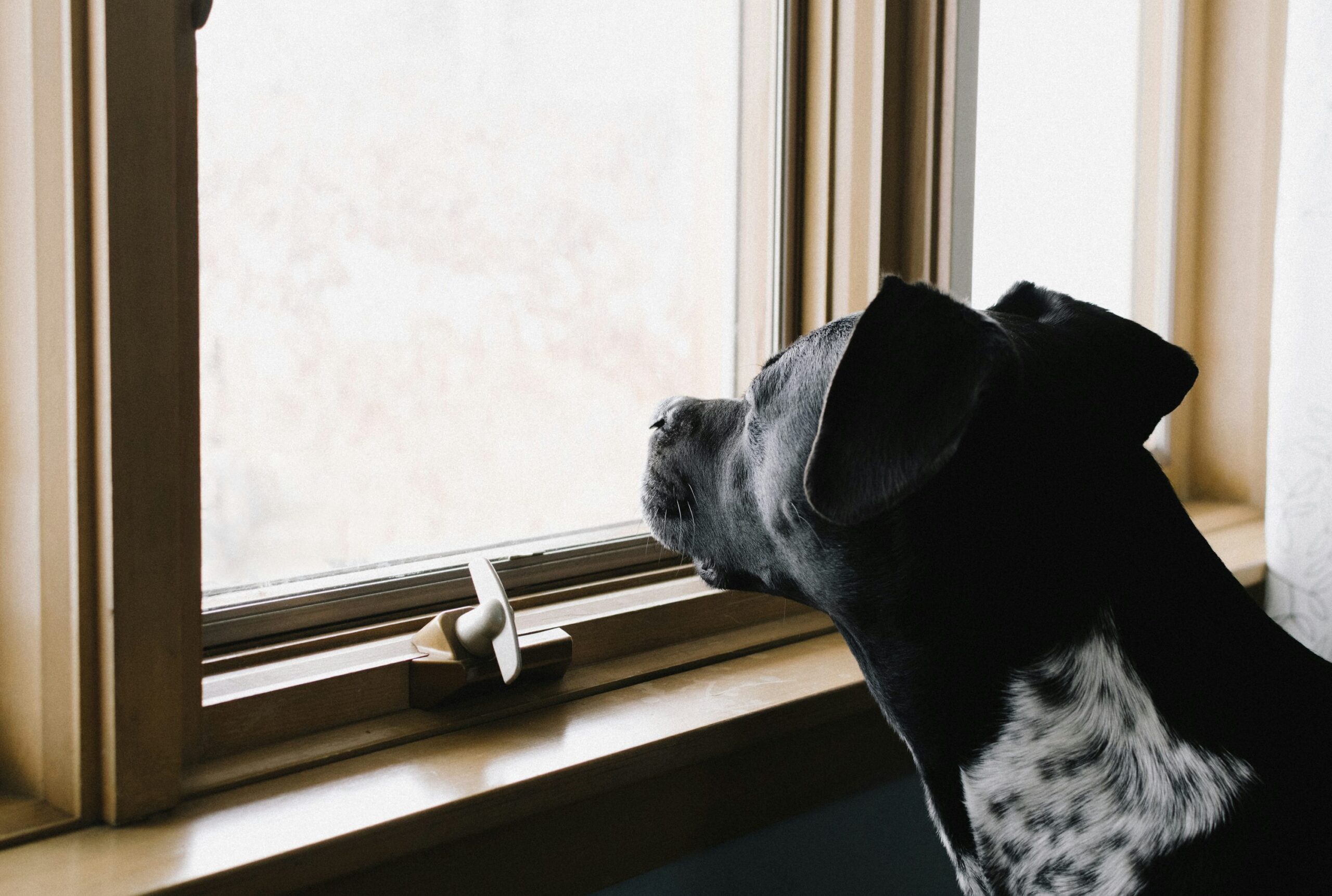
Hearing dogs are trained to respond to sounds in the home.
A sound support dog works only inside the home. The dog will respond to sounds, but also offers companionship and emotional support. This type of assistance dog will not wear a burgundy jacket when outside of the home and will not be allowed in places where pet dogs are not allowed. A sound support dog is still a highly trained assistance dog and will alert the adult to sounds in the home.
Companion dogs are more for individuals with a mild to moderate hearing loss. They are there to provide companionship and emotional support. They are for individuals who do not need alerting to specific sounds. The dog will hopefully provide friendship and reduce any feelings of isolation or loneliness.
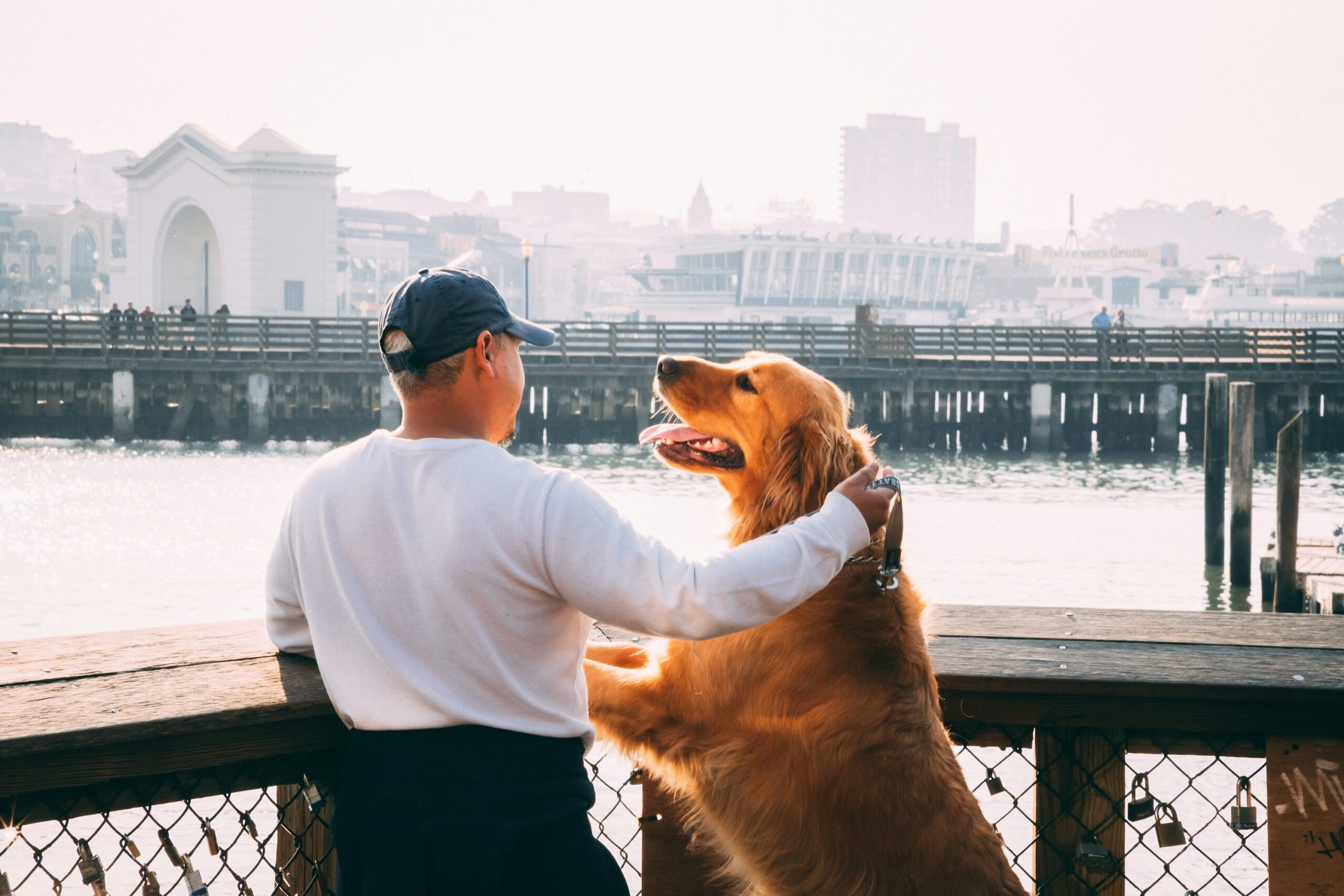
A companion dog helps to provide emotional support and friendship.
If you have been experiencing symptoms of hearing loss, it’s time to book a hearing consultation. If you would like any further advice, please don’t hesitate to get in touch.
Hearing aids play a vital role in keeping you connected and confident in social situations. When you’re travelling, it’s important
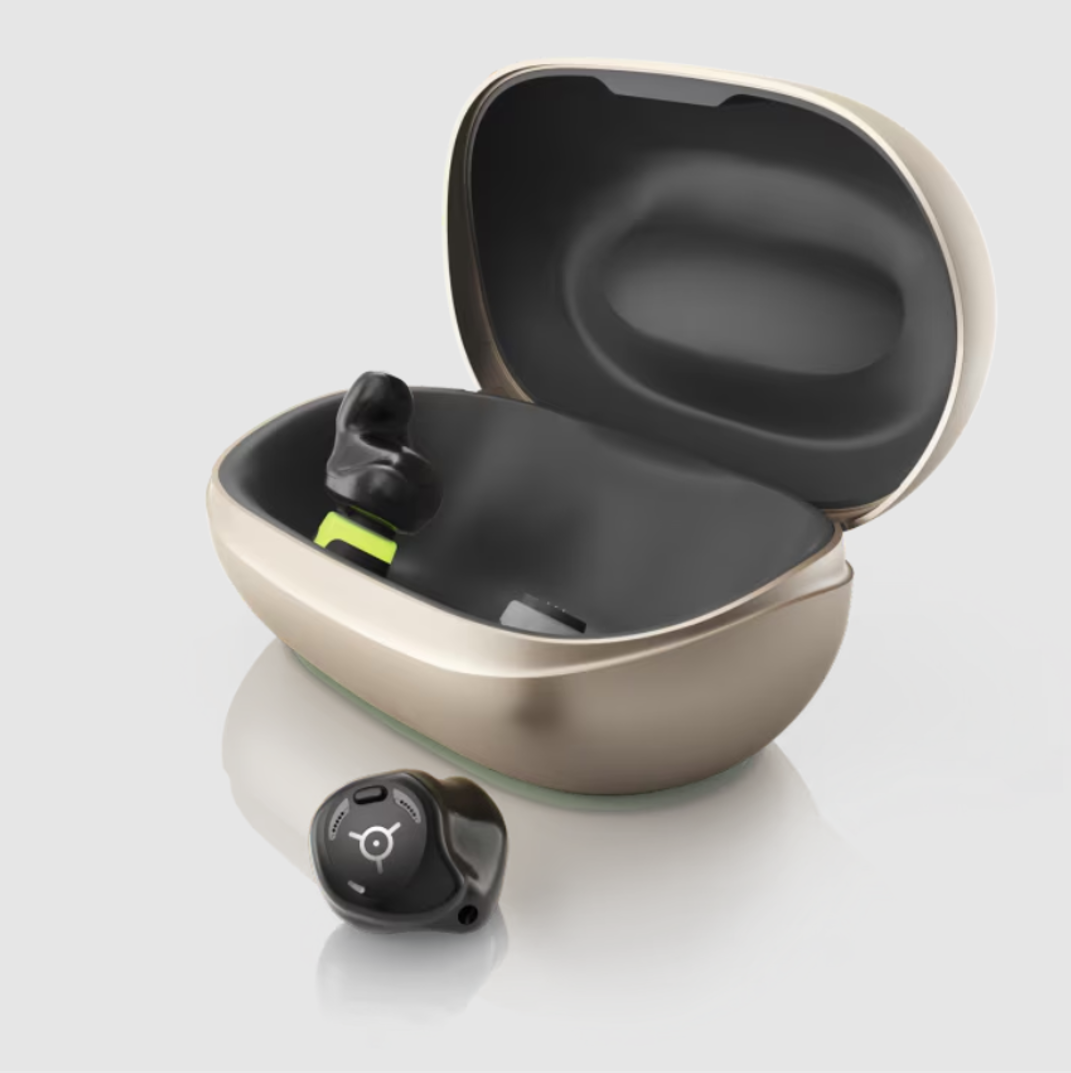
You’ve taken the step and invested in your new hearing aids, and you’re getting on brilliantly. But what else is

It’s estimated that around 1 billion people aged 12–35 are at risk of developing hearing loss due to listening to