What Hearing Healthcare Services Do We Offer?
Looking after your hearing is an important part of your overall health and wellbeing. We provide a range of professional

Airport security can feel a little overwhelming, especially when you’re unsure what to do with your hearing aids. The good news is that you can usually keep them in during security checks. They contain very small amounts of metal and are unlikely to set off scanners. However, it’s always a good idea to inform security staff that you’re wearing them.
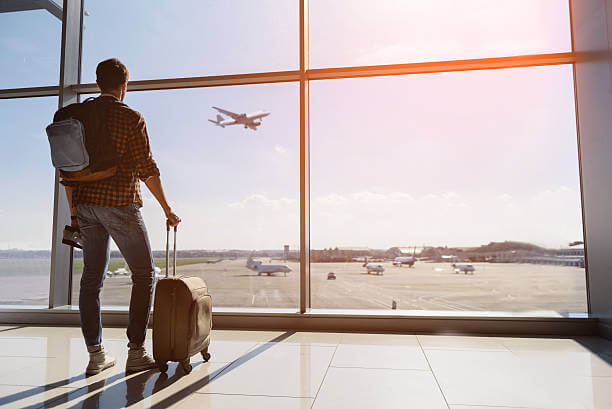
If you’re jetting off on a plane this holiday season, you need to know when and where you can use your hearing aids at the airport.
Many airports are now equipped with hearing loop systems. If your hearing aids are compatible, this can make communication at check-in, security, and passport control much clearer. If you’re concerned about missing announcements, speak to airport staff as most airports offer accessibility support to ensure you stay informed throughout your journey.
Once on the plane, you can continue wearing your hearing aids. If they are Bluetooth-enabled, remember to switch them to flight mode, just as you would with a smartphone or tablet. As aircraft noise can be quite loud, some people prefer to reduce the volume slightly. If you do, make sure a travel companion or flight attendant is aware, so you don’t miss any important safety instructions.
Sand and hearing aids don’t mix well. Fine particles can easily enter the device and cause blockages, much like earwax. Ideally, you should remove your hearing aids before heading onto the beach and store them safely.
If you prefer to keep them in, take extra care. Always wash and dry your hands thoroughly before touching your hearing aids, and avoid handling them with sandy fingers. It’s also wise to be cautious on windy days, as airborne sand can still find its way into the devices.
Hearing aids are sensitive to moisture, and exposure to water, especially salt water, can cause permanent damage. In most cases, water damage is not covered under warranty, so it’s important to remove your hearing aids before swimming, showering, or even paddling in the sea.
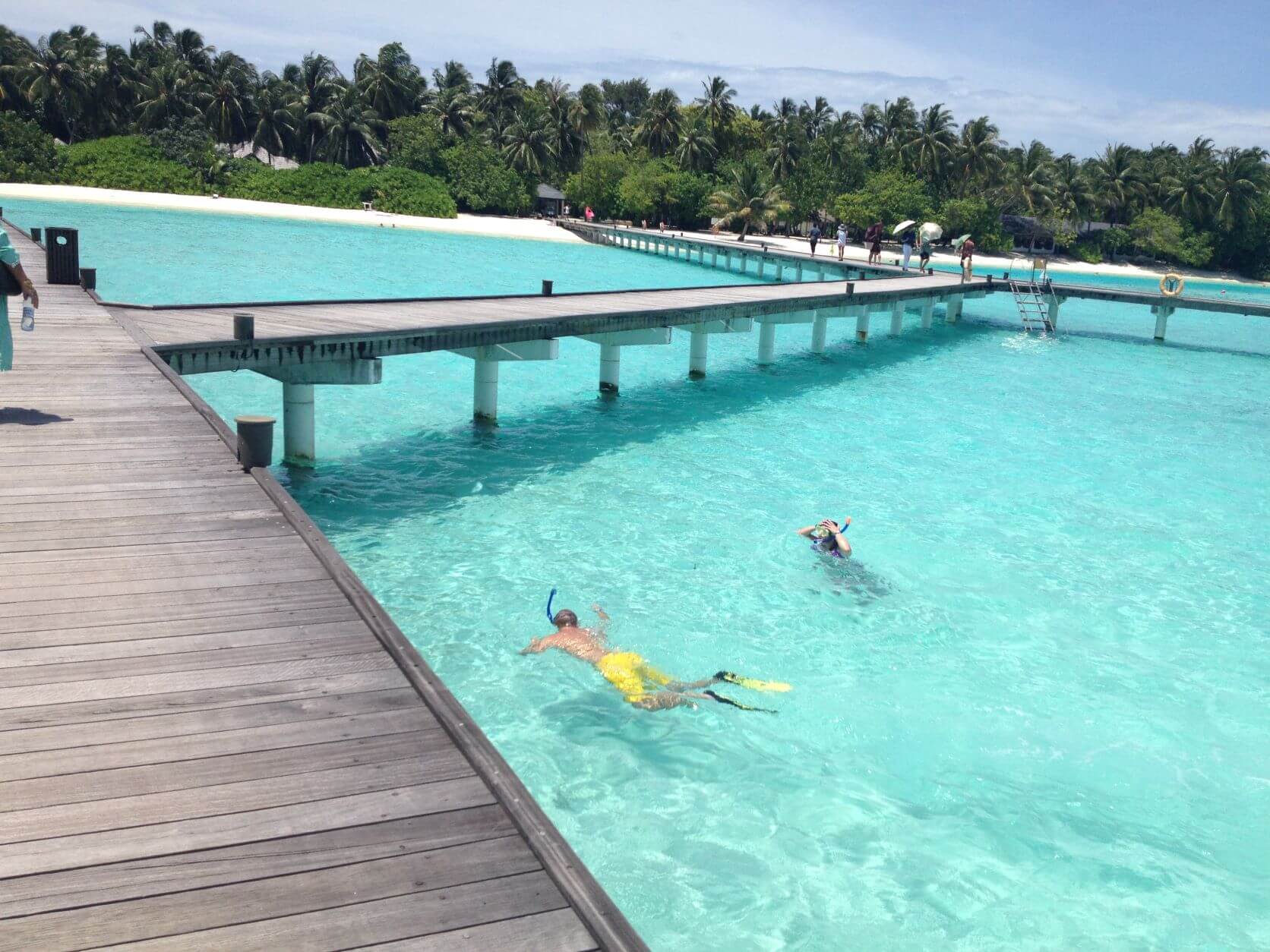
You should remove your hearing aids before taking a dip!
Some modern hearing aids are water-resistant or waterproof, but it’s essential to follow the manufacturer’s guidance carefully and avoid exceeding recommended limits.
Humidity can also affect hearing aids, particularly in warmer climates. Moisture in the air can build up inside the devices, impacting performance. To help prevent this, gently wipe your hearing aids with a dry, lint-free cloth each evening. If you use battery-powered aids, leave the battery door open overnight to allow any moisture to escape.
You may also want to consider using a dehumidifying case, available in both electric and non-electric options, to keep your hearing aids dry and functioning properly.
Taking a few simple precautions can help ensure your hearing aids stay safe and effective while you’re away, allowing you to fully relax and enjoy your holiday.
If you’re unsure about anything before you travel, don’t hesitate to speak to your audiologist for advice, we’re always here to help.
Looking after your hearing is an important part of your overall health and wellbeing. We provide a range of professional
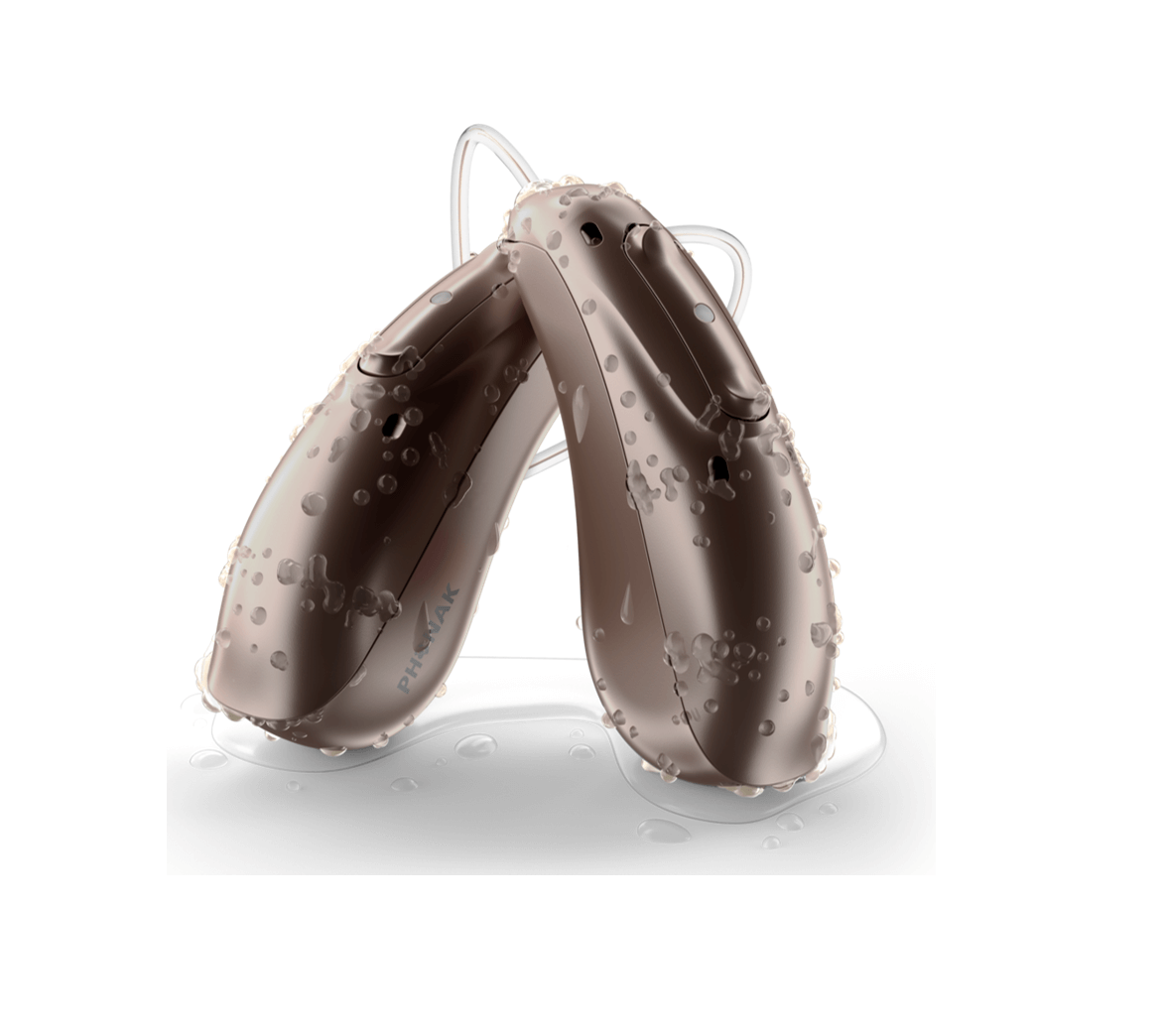
If you wear hearing aids, you may wonder whether getting caught in the rain could damage them. While hearing aids

Hearing loss is a common part of ageing, but that doesn’t mean you have to let it affect your quality