
What Hearing Healthcare Services Do We Offer?
Looking after your hearing is an important part of your overall health and wellbeing. We provide a range of professional

Subtitles are simply word-for-word transcripts of the words that are being spoken on the TV. They may also include the text for music and background sounds. Subtitles were not always as accurate and precise as they are now. Historically, this was frustrating for those who rely on subtitles to be able to enjoy TV and film.
Now, there are rarely ever errors on subtitles and they make the viewing experience for those who are deaf or hard of hearing much more accessible.
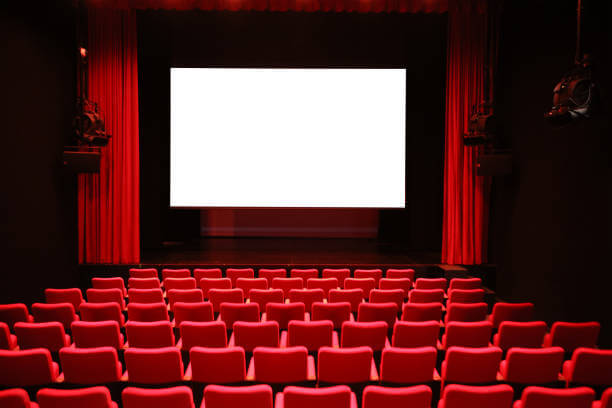
Cinemas often have regular showings of films with subtitles. It will generally say when you book which the subtitled showings are, but you can also always call ahead. Being able to see subtitles when at the theatre is a little trickier but different theatres use different methods. This may be special showings where a screen is erected near to the stage with subtitles on display. Some more modern theatres have screens in the back of chairs where subtitles can be displayed and some even use smart glasses that display the subtitles as you look through them.
There are also captions which are automatically produced. These are, of course, less accurate than the subtitles we are used to seeing on the TV. Automatic captions are sometimes used on videos that are available online via social media or on YouTube. Some of these videos will have subtitles that the content creators have added themselves, in which case they will be accurate. However, others are automatically generated by the platform. This means that accents and the speed of speech can affect the accuracy of the captions that are produced.
Automatic captions are also becoming more and more popular on video calls, for example on Zoom or Microsoft Teams. You can choose to turn on real-time captioning. This will listen to the meeting and attempt to record everything that is being said in real-time. Again, this is a little less accurate just purely as it is happening live.
There doesn’t seem to be any set in stone reasons as to why the younger generation are now enjoying TV more and more with subtitles but it can only be celebrated. Subtitles help to make the viewing experience so much more accessible and enriching. If you are finding yourself relying more and more on subtitles, it might be time to book yourself in for a hearing consultation. If you have any further queries, please don’t hesitate to get in touch.
Looking after your hearing is an important part of your overall health and wellbeing. We provide a range of professional
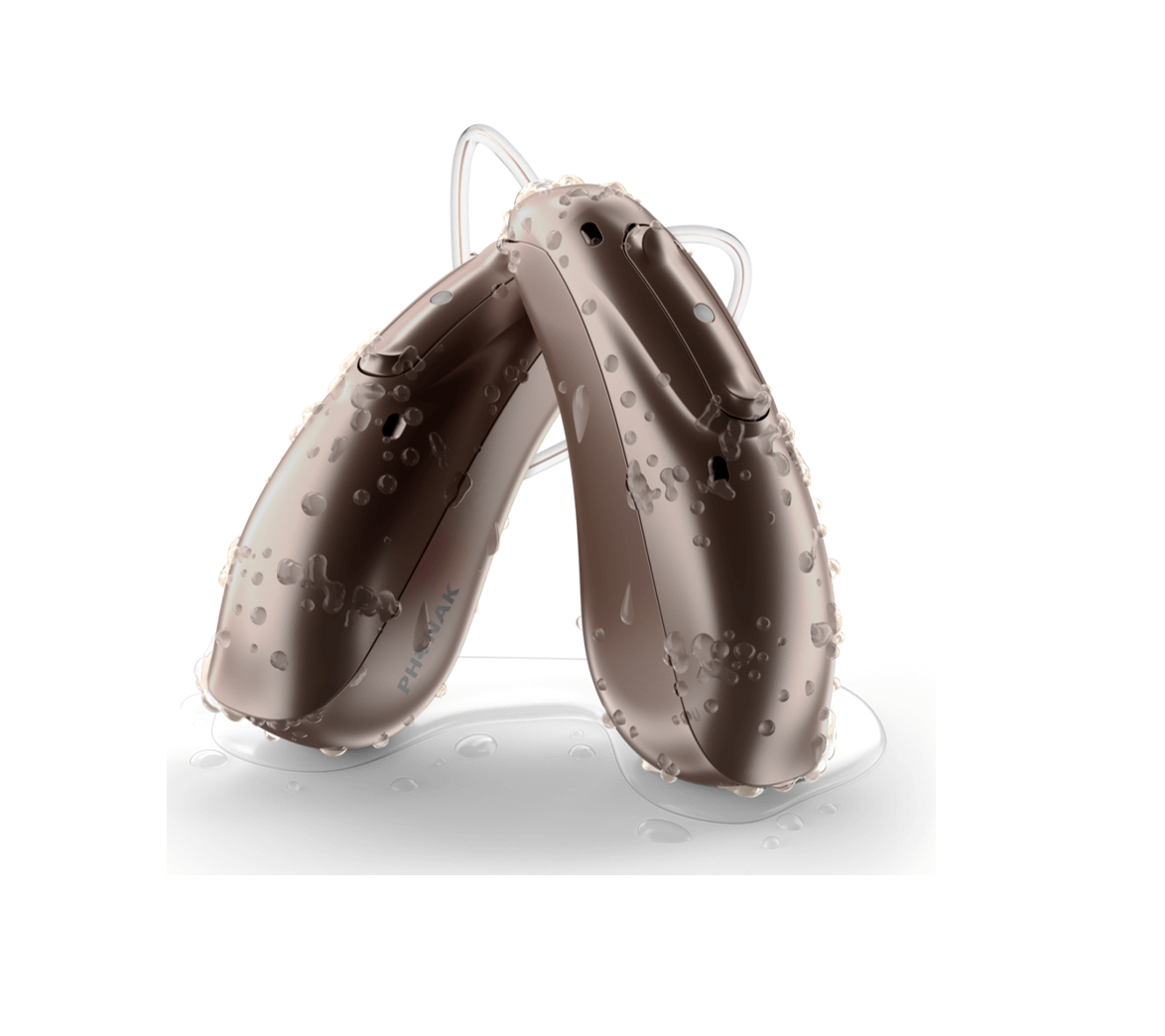
If you wear hearing aids, you may wonder whether getting caught in the rain could damage them. While hearing aids

Hearing loss is a common part of ageing, but that doesn’t mean you have to let it affect your quality