
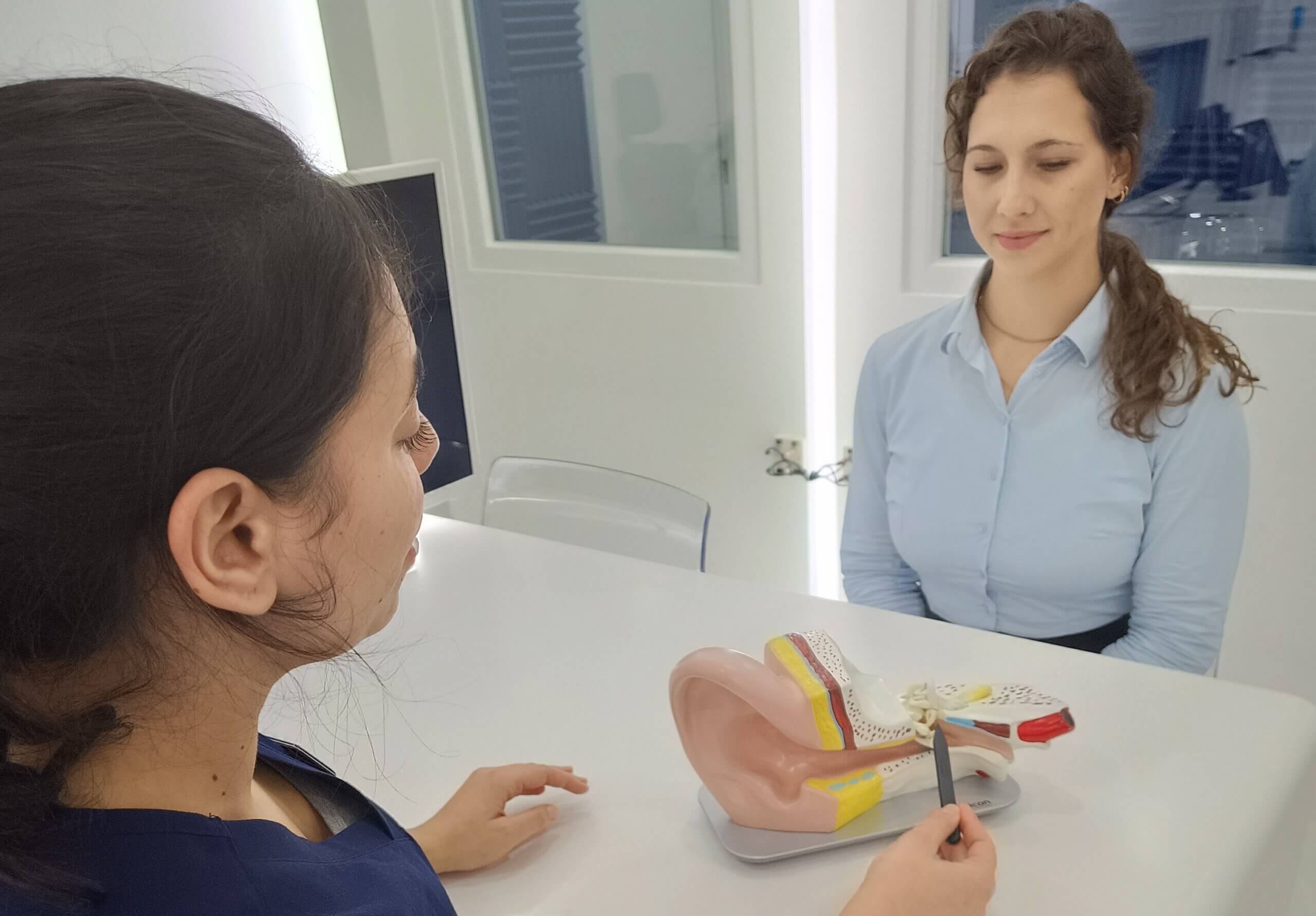
What Hearing Healthcare Services Do We Offer?
Looking after your hearing is an important part of your overall health and wellbeing. We provide a range of professional


This condition most commonly occurs due to asymmetrical ear damage, sensorineural hearing loss, or even something as simple as a blockage caused by earwax. As a result, sounds may seem out of tune or distorted.
There are two main ways people experience diplacusis:
It can develop suddenly or gradually. It may be temporary or permanent and is often accompanied by symptoms such as tinnitus (ringing in the ears) or vertigo (a spinning sensation).
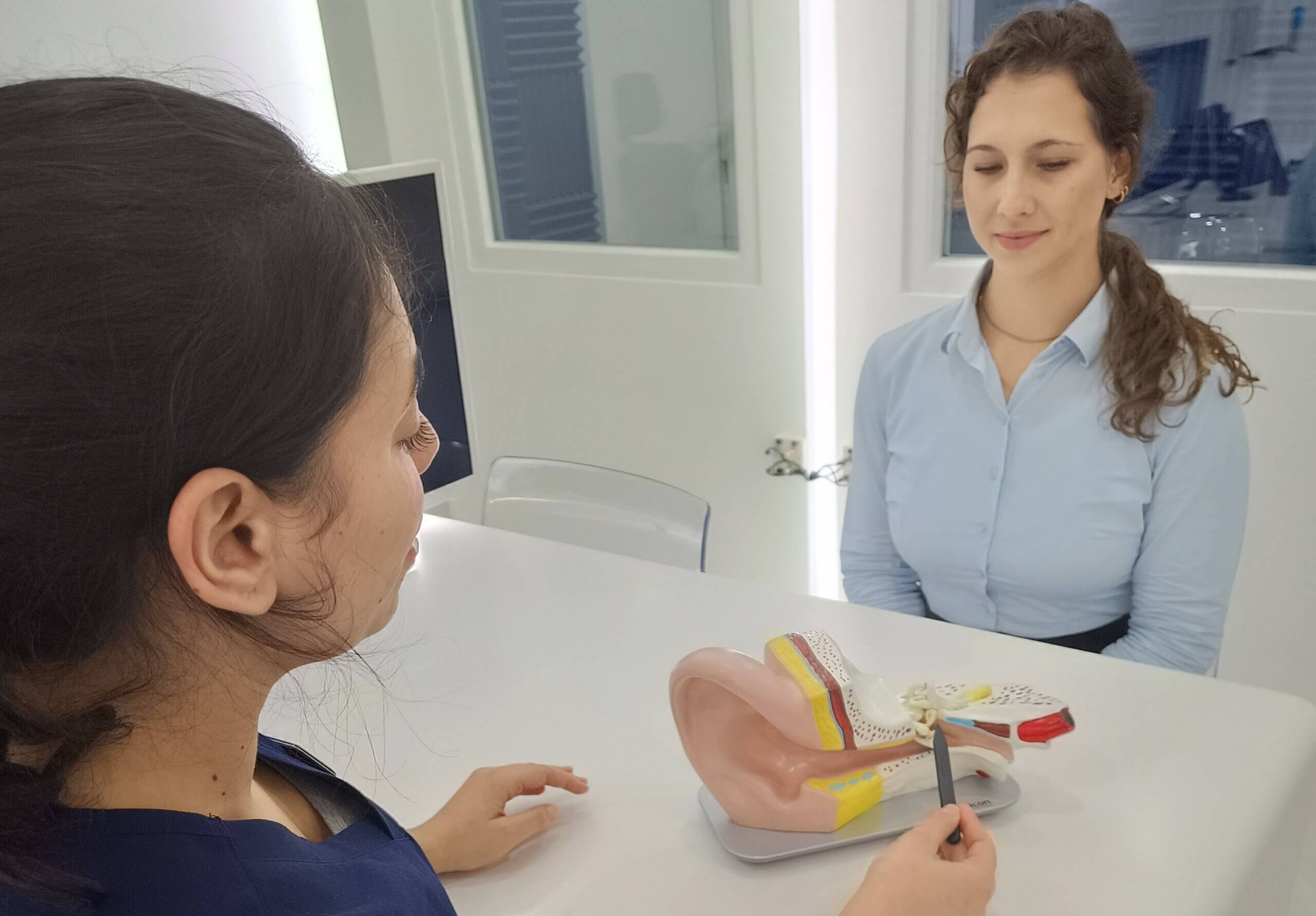
There are four recognised types:
The most common cause is asymmetrical hearing loss, where one ear has more significant hearing loss than the other. When the ears process sound differently, the brain receives mismatched signals, leading to distorted perception.
Other possible causes include:
In addition to hearing sounds as “double” or distorted, people with diplacusis may notice that voices or music sound off-pitch. Many also find it difficult to understand speech in noisy environments.
Treatment depends entirely on the underlying cause. A full hearing assessment is essential to determine what is contributing to the symptoms.
For example:
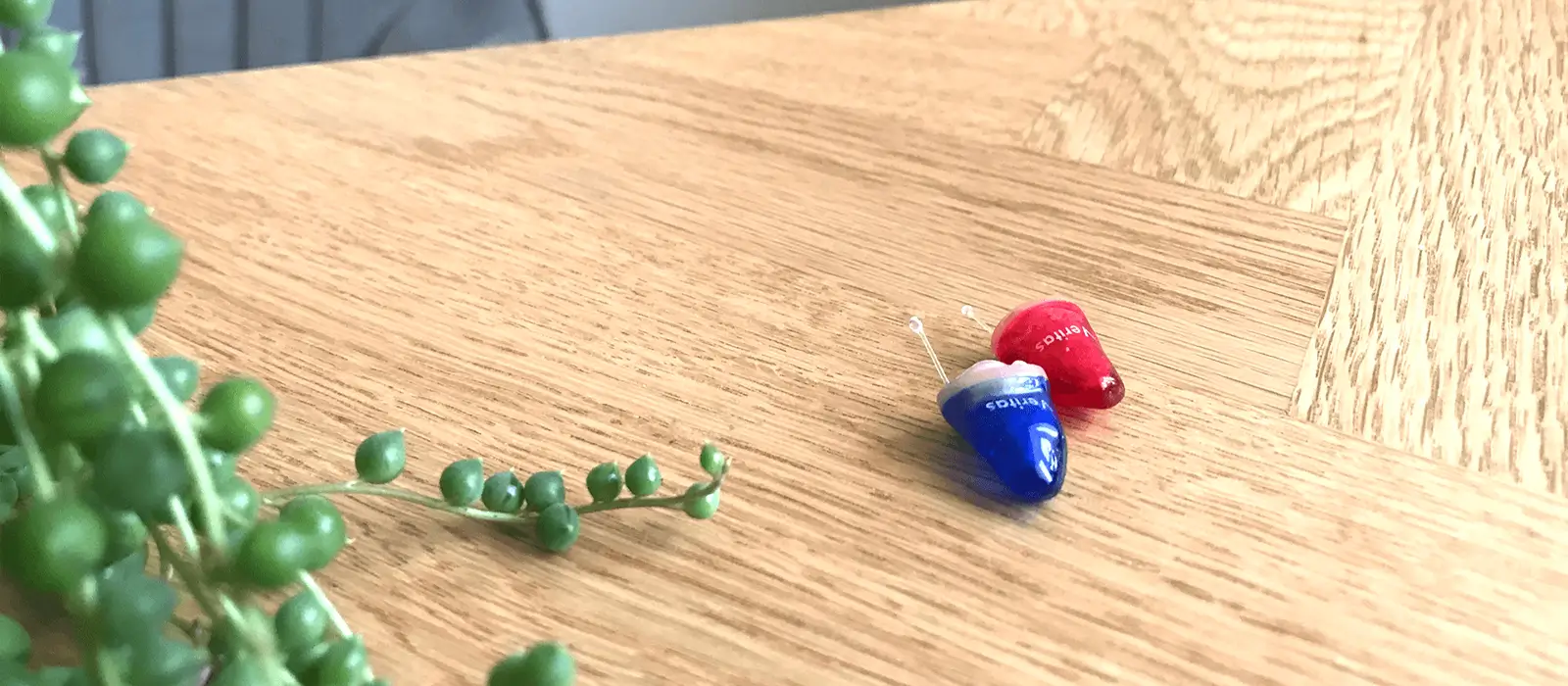
If you’re experiencing distorted hearing or suspect earwax may be affecting your hearing, booking a professional assessment is the first step toward clearer, more comfortable hearing.
If you would like further advice or wish to arrange an earwax removal appointment, please don’t hesitate to get in touch or book via our website.
Looking after your hearing is an important part of your overall health and wellbeing. We provide a range of professional
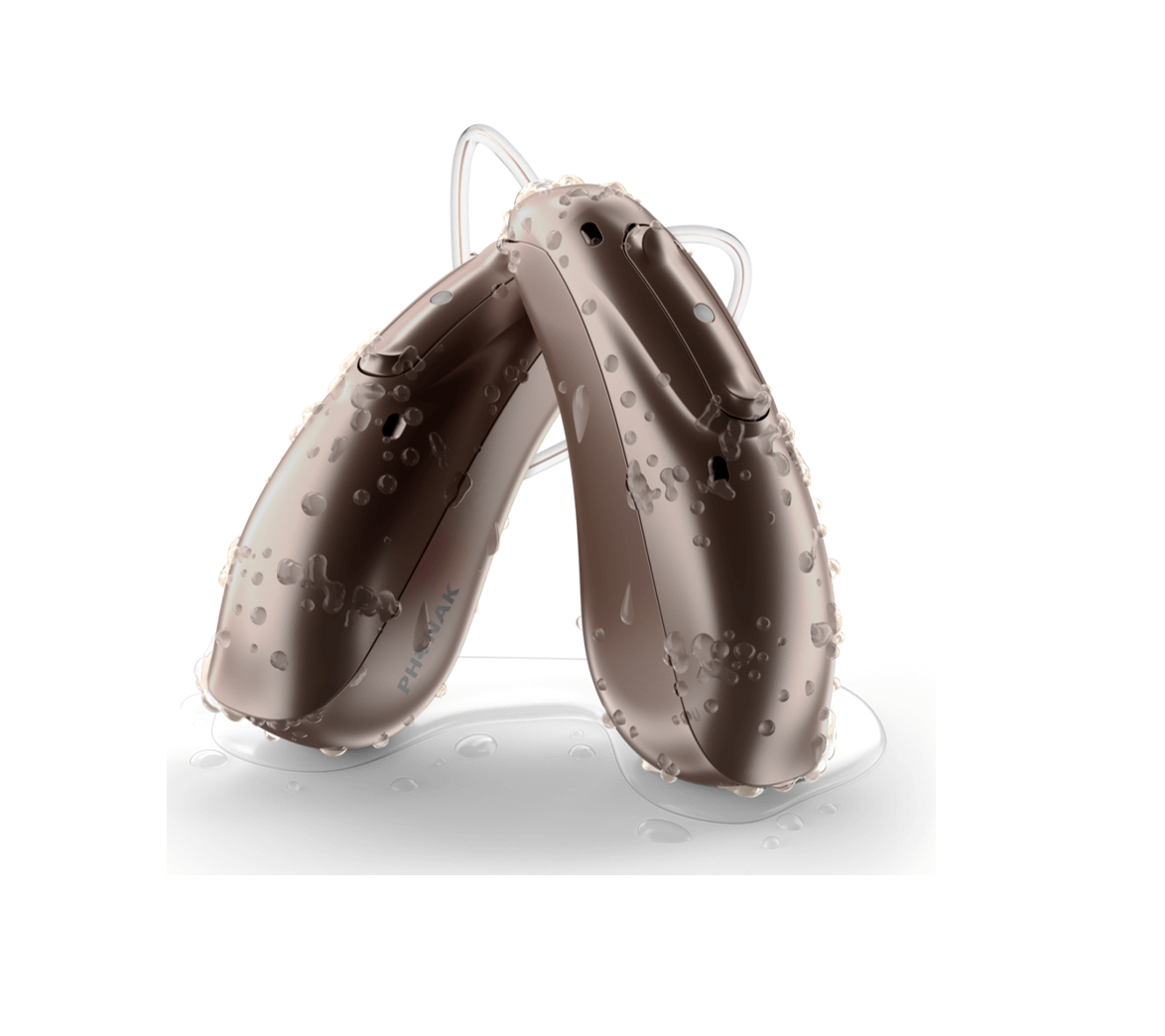
If you wear hearing aids, you may wonder whether getting caught in the rain could damage them. While hearing aids

Hearing loss is a common part of ageing, but that doesn’t mean you have to let it affect your quality