
Tinnitus is the perception of sound when there is no external source. It is commonly described as a ringing in the ears, but it can also sound like buzzing, hissing, whistling, or even a whooshing noise. While the experience varies from person to person, one thing remains the same: the sound is only heard by the individual experiencing it.
What Does Tinnitus Sound Like?
Tinnitus can affect one ear or both ears. For some people it is mild and occasional; for others it can be persistent and disruptive to daily life.
The most commonly reported sound is ringing, but tinnitus can present in many different ways. The pitch, tone, and frequency can vary significantly between individuals. Because of this, it’s important to describe your symptoms as accurately as possible when speaking with a hearing healthcare professional.
Tinnitus is more common in adults and older people, which is why monitoring your hearing health is so important. Acting early when you notice changes can help prevent symptoms from worsening.

Monitoring your hearing health and reporting any changes early is so important.
What Causes Tinnitus?
The most common cause of tinnitus is hearing loss. Although research is ongoing, one widely accepted theory is that tinnitus occurs when the brain attempts to compensate for missing sounds caused by hearing loss. Essentially, the brain tries to “fill in the gaps,” which can result in the perception of noise.
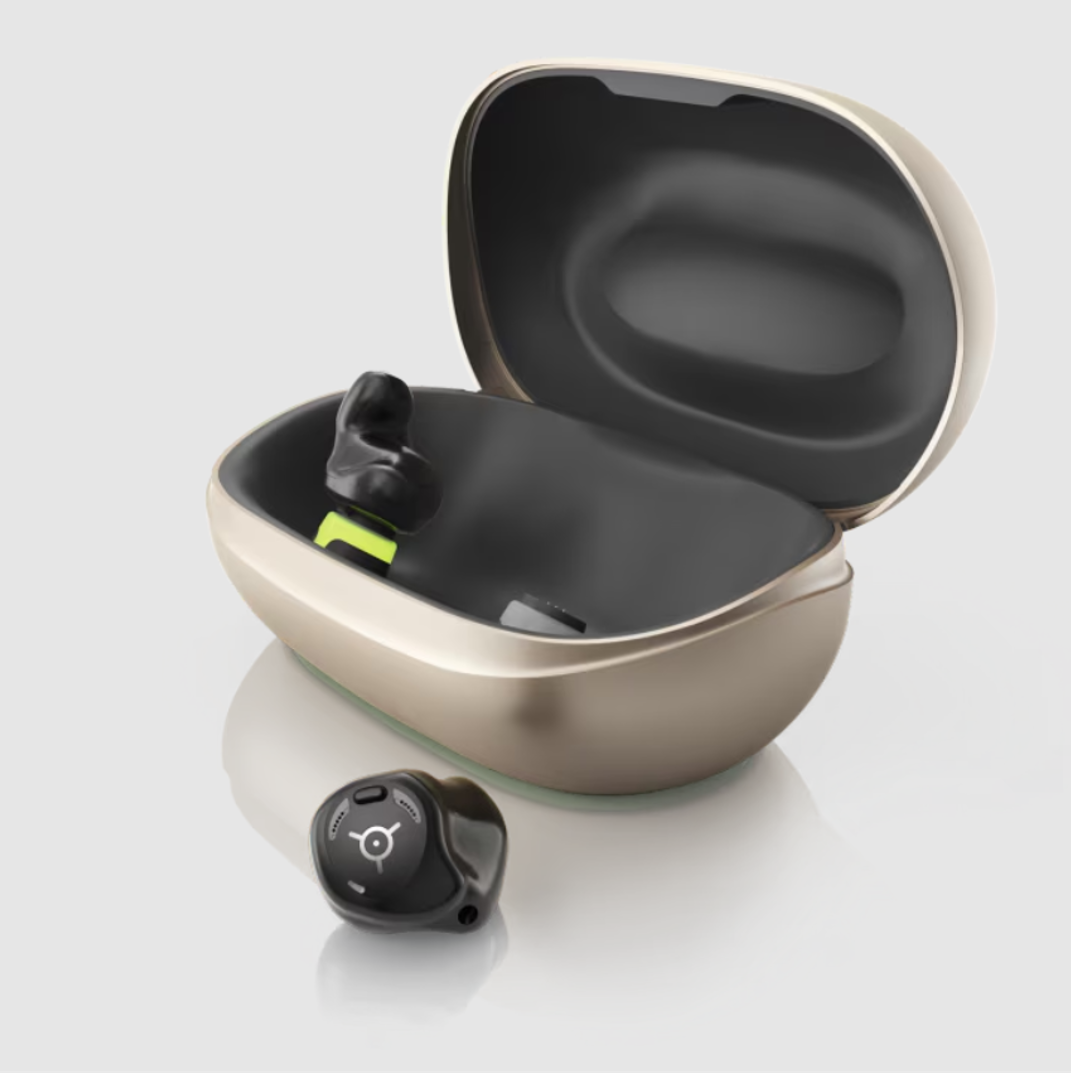
Hearing aids can often significantly reduce tinnitus symptoms. By restoring access to high-frequency sounds, hearing aids reduce the need for the brain to compensate. Many modern hearing aids also include dedicated tinnitus programmes, known as Tinnitus Sound Therapy. These features provide gentle background sounds designed to reduce the prominence of tinnitus. There are also sound therapy apps that can connect via Bluetooth to compatible hearing aids.
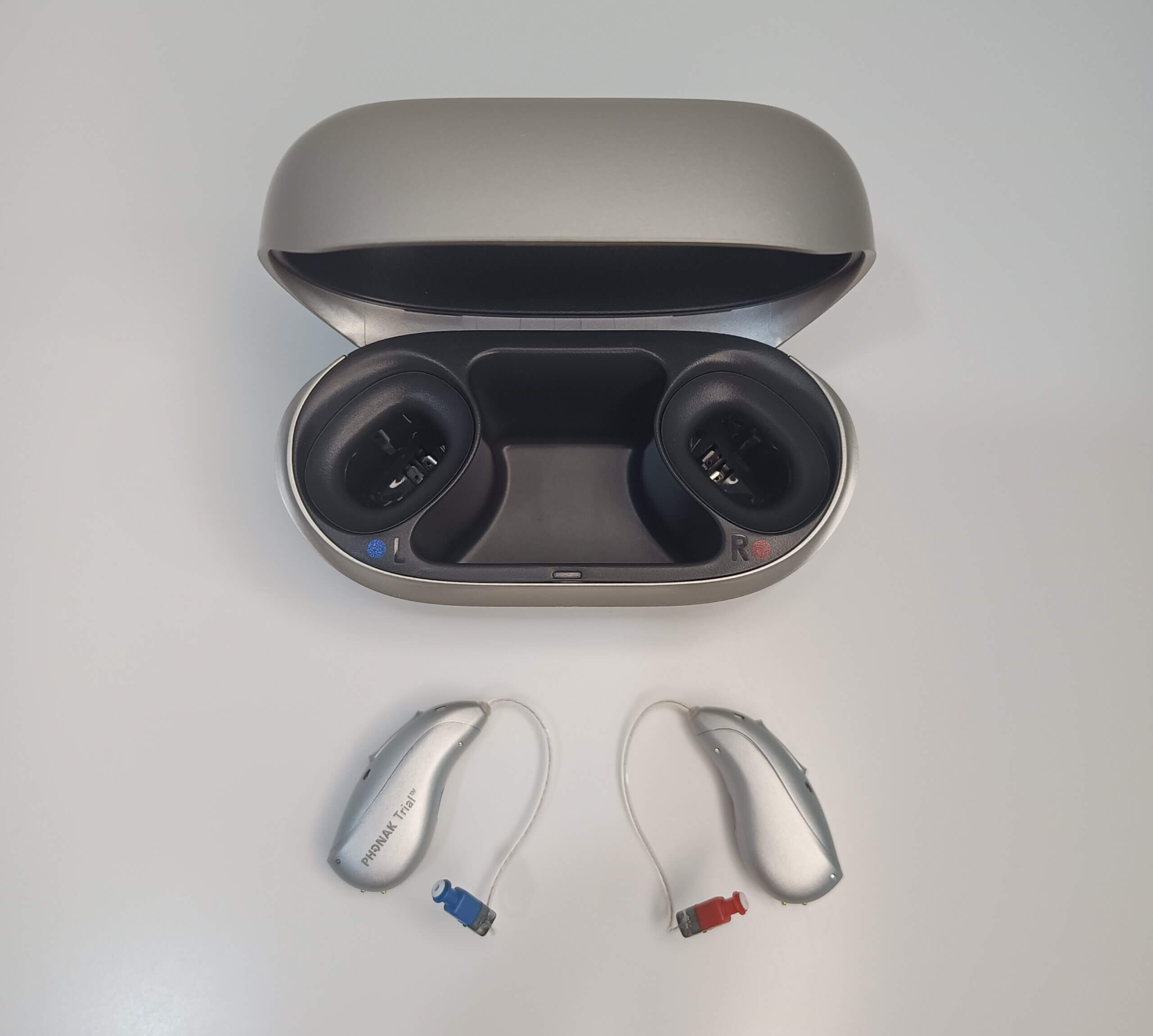
Wearing hearing aids can help with the effects of tinnitus.
In addition to hearing loss, tinnitus can be linked to a variety of other factors, including:
- Traumatic brain or neck injury
- Migraines and chronic headaches
- Inner ear disorders
- Temporomandibular joint (TMJ) disorder
- Ototoxic medications
- Stress
- Dietary factors
The Effects of Tinnitus
Because tinnitus can be persistent and intrusive, it may have a significant impact on quality of life. Common effects include:
- Fatigue
- Stress and irritability
- Difficulty concentrating
- Problems carrying out daily tasks
- Sleep disturbance
- Headaches
- Low mood or depression
If tinnitus is linked to an underlying medical condition, treating that condition is the first step. A hearing healthcare professional can also discuss management options, including hearing aids with masking features, sound therapy, and tailored tinnitus support.
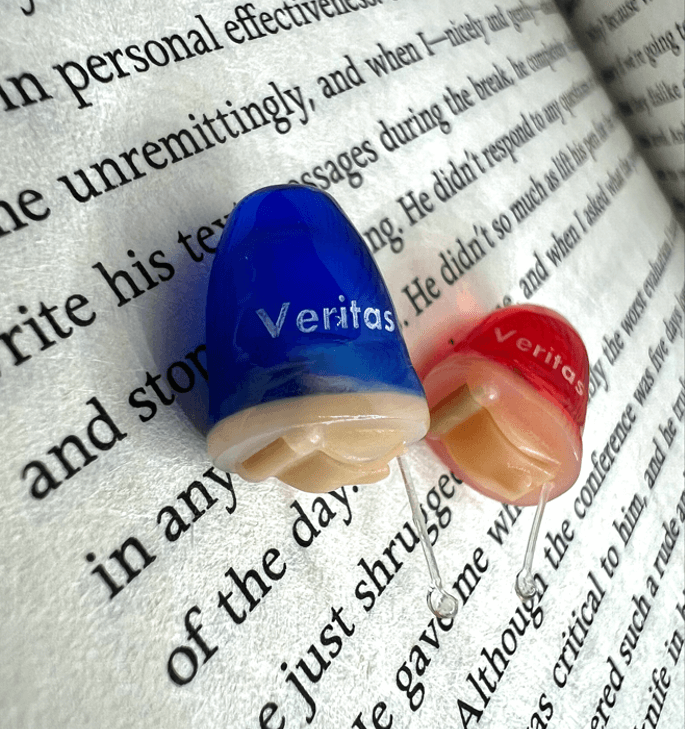
Hearing aids can be prescribed to help with a hearing loss.
The emotional impact of tinnitus should not be underestimated. A study published at the end of 2023 involving 478 participants found that 1 in 5 reported experiencing thoughts of self-harm or suicide within the previous 12 months. More than 80% reported anxiety and low mood, and over 85% experienced sleep disturbance. These findings highlight the very real psychological burden tinnitus can place on individuals.
If tinnitus is affecting your mental wellbeing, seeking support is essential. Help is available, and you do not have to manage it alone.
Need Advice?
If you would like further advice about tinnitus or are concerned about your hearing, please don’t hesitate to get in touch. You can also book a tinnitus consultation quickly and easily through our website.