

What Hearing Healthcare Services Do We Offer?
Looking after your hearing is an important part of your overall health and wellbeing. We provide a range of professional

Sound is measured in decibels (dB). So that you can understand the context of decibels, we have outlined some common sounds and their average dB level:
Prolonged exposure to any sounds which are over 70 dB could cause damage to your hearing. Exposing yourself to any noise over 120 dB could unfortunately cause immediate damage. Loud noise can cause damage to the delicate structures in the ear. This could cause temporary hearing loss, from a few minutes to a few days or result in experiencing the symptoms of tinnitus. As stated above, one instance of loud noise could cause damage to your hearing but it is more likely that exposure to loud noise over a long period of time will be the problem.
Construction work often produces very high levels of noise. A pneumatic drill alone can produce noise of up to 110 dB. It has long been recommended that construction workers who operate noisy machinery wear ear protection.
However, as you can see from the average noise levels above, even working in a bar or a launderette could result in being exposed to noise that is far too loud. If you feel you are being exposed to loud noise, it is very important that you wear ear protection.
There are a few different types of hearing protection that you can use to avoid damaging your hearing when being exposed to loud noise.
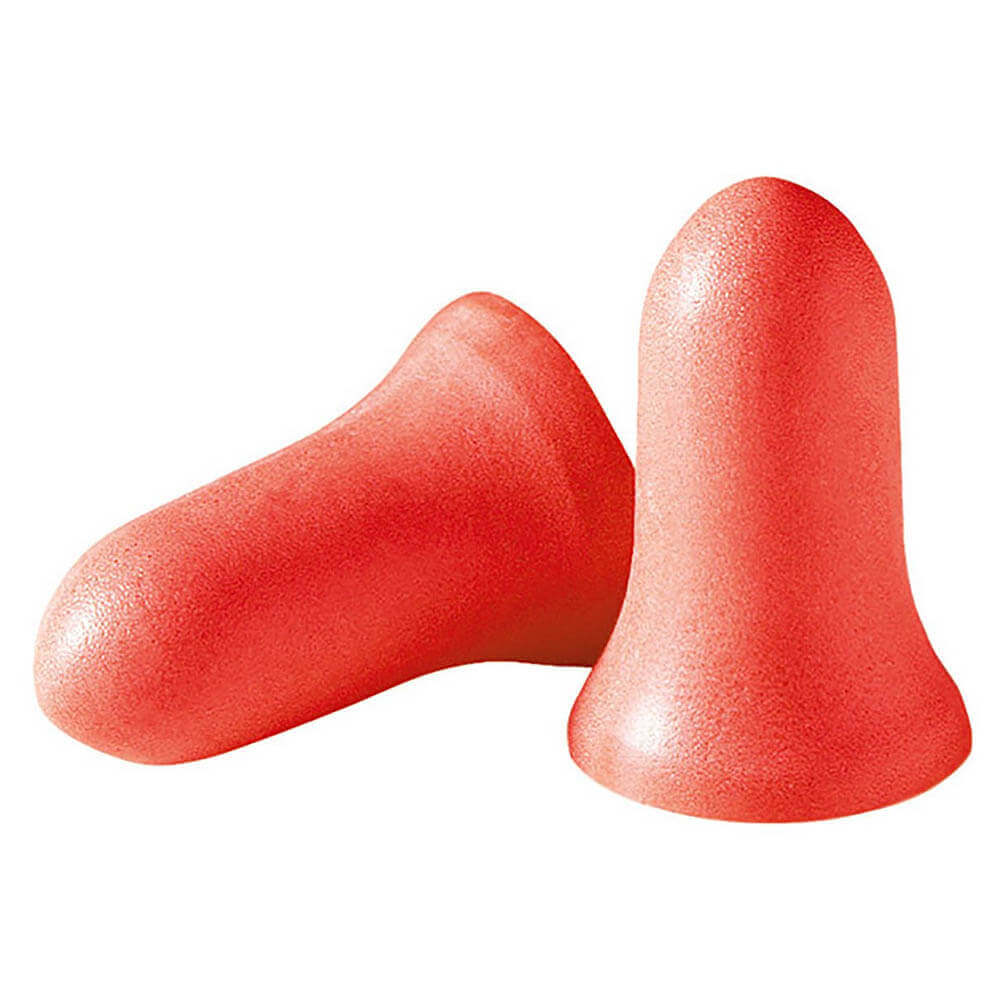
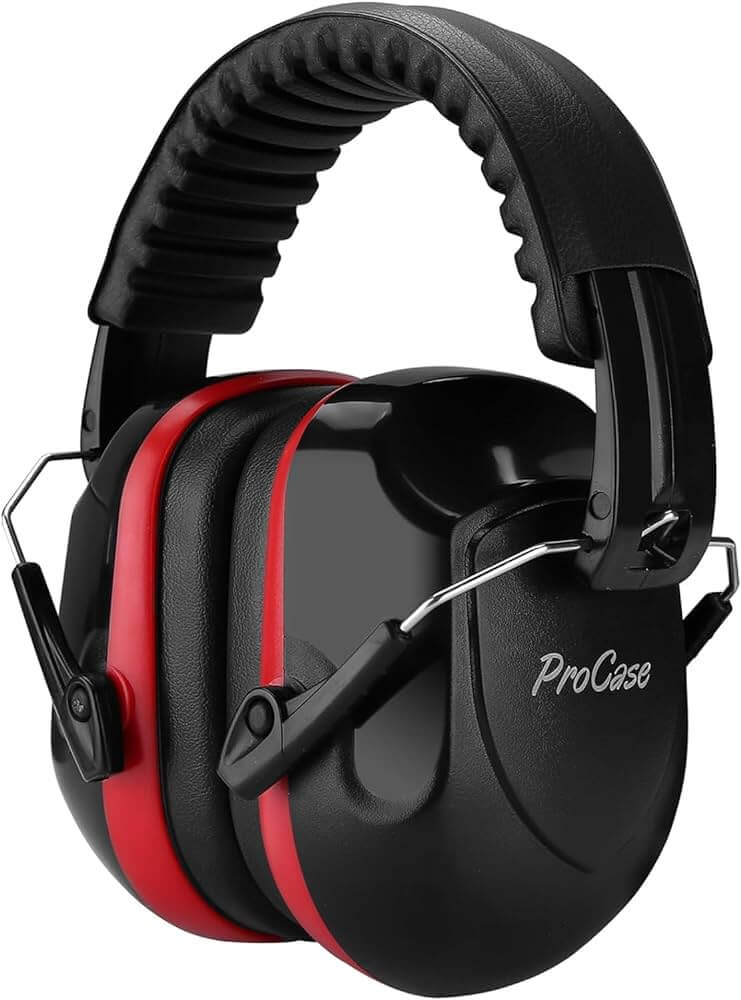
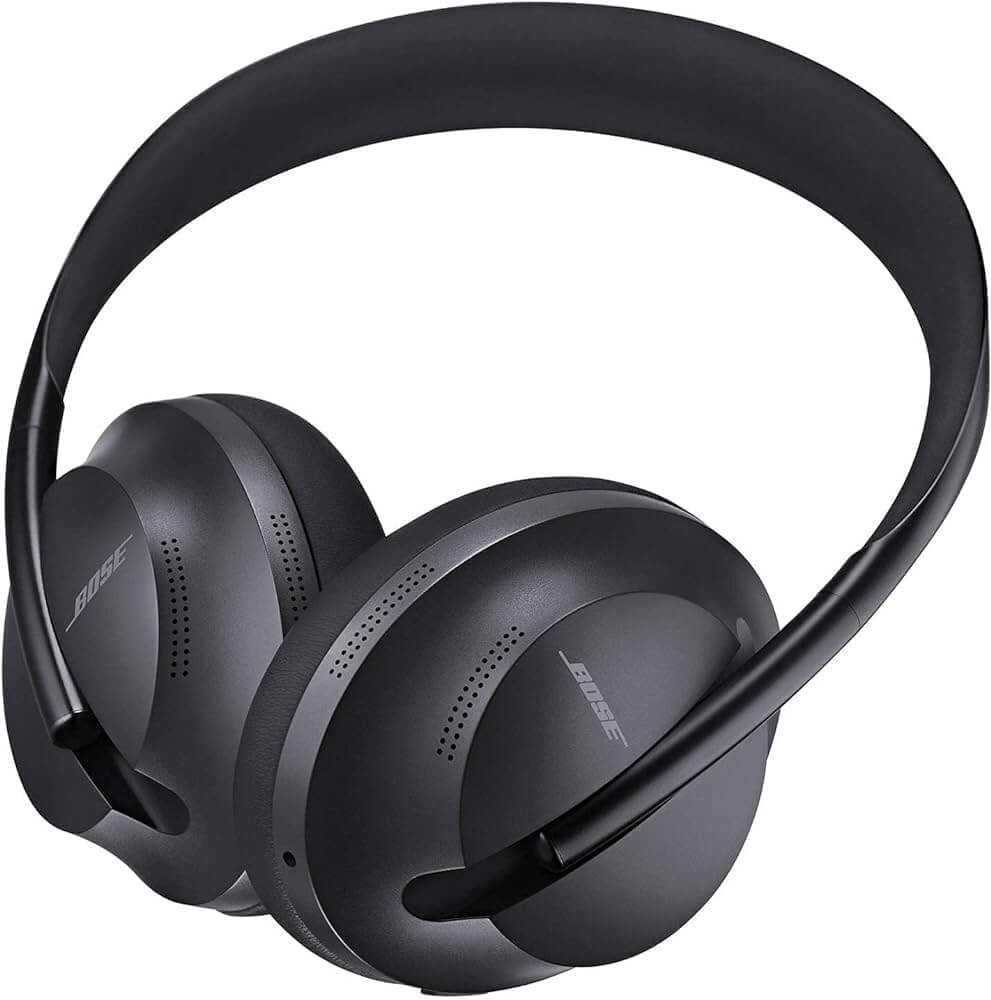
Unfortunately, it is not as simple as us saying you should use earplugs for one situation and earmuffs for another. No one hearing protection solution works in the same way for every individual. It is important to bear in mind the level of noise you will be exposed to before deciding what to use. Noise protection products usually come with a noise reduction rating so it is best to check this before making a purchase. If the rating is 22, it means that the product will reduce the noise level by 22 decibels (dB).
The environment that you are using the hearing protection in should be taken into account when deciding what to use. If you need to be able to continue to communicate whilst protecting your hearing, you should think about looking for hearing protection that comes with an acoustic filter. If you need hearing protection for working on a building site where your hands are likely to get dirty and there is a lot of dust in the air, then it would be advisable to go for earmuffs rather than earplugs to reduce the amount of debris that is going into your ear.
Any hearing protection that you decide to wear needs to be comfortable. Some people find non-custom earplugs uncomfortable if worn for a long period of time. The most comfortable earplugs should fit just inside your ear canal without causing any pain or discomfort. The earplugs should fit properly and not be too loose or too small.
Earmuffs should fit snugly around your ears but should also allow your skin to breathe properly. Some earmuffs feel very forceful over your ears which is perfect for shutting out the noise but are not comfortable for a long period of time. You can get earmuffs with varying degrees of fit. Again, you should also consider the environment you are using the protection in. If you are working in a noisy environment outside day after day then it would be helpful to look for weather-resistant protection.
The most important thing when considering hearing protection, is that it fits correctly. You need to ensure that the sound is blocked out for the protection to work effectively. If you feel you’d like any further advice with regards to protecting your hearing, please don’t hesitate to get in touch here.
Looking after your hearing is an important part of your overall health and wellbeing. We provide a range of professional
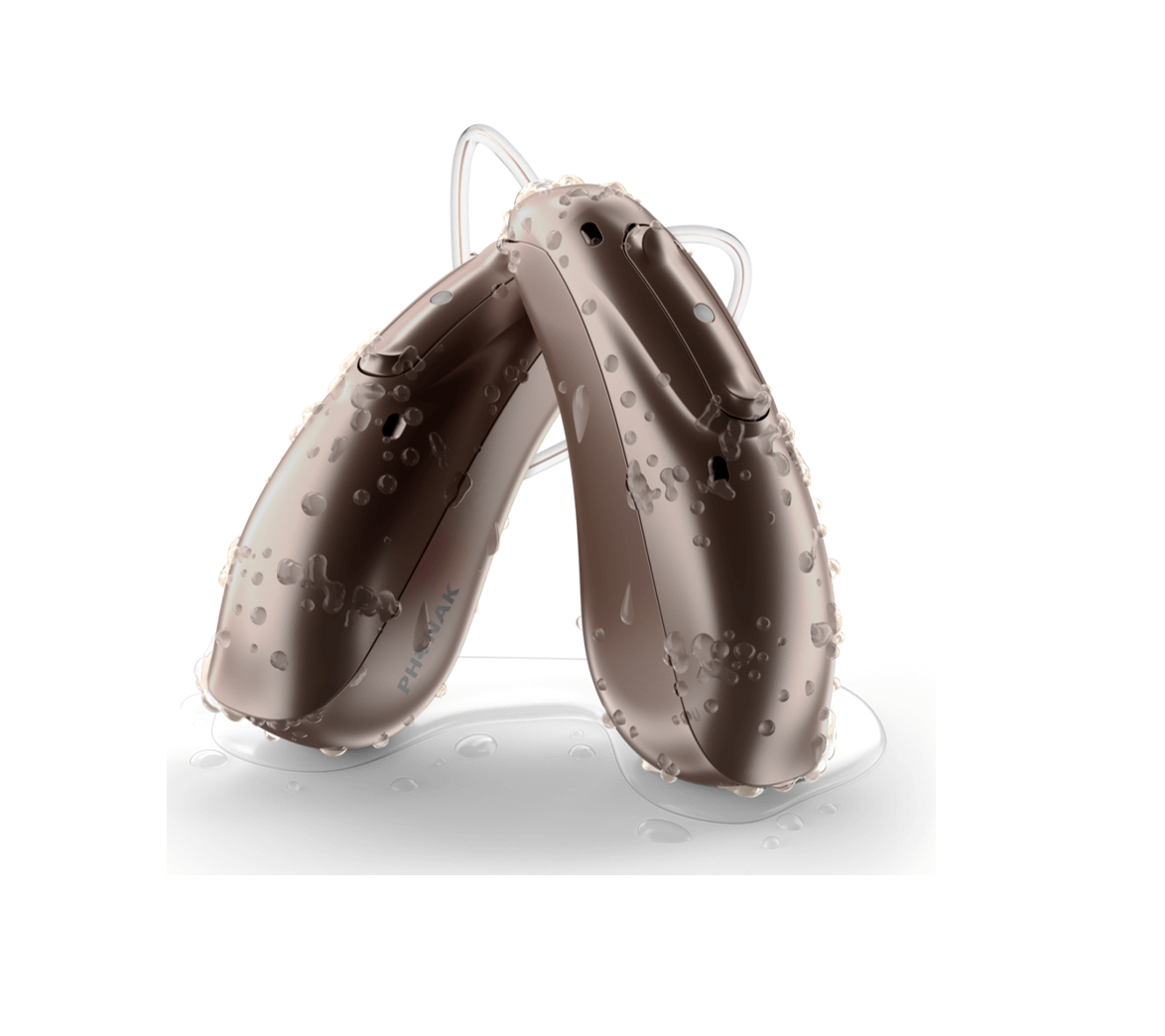
If you wear hearing aids, you may wonder whether getting caught in the rain could damage them. While hearing aids

Hearing loss is a common part of ageing, but that doesn’t mean you have to let it affect your quality