

How Do Our Ears Work?
Understanding How We Hear and the Different Types of Hearing Loss Have you ever wondered how your ears turn everyday


Our ears work continuously to detect sound, transmit vibrations and send electrical signals to the brain, allowing us to understand and interpret the world around us.
However, when something goes wrong at any stage of this process, our ability to hear can be affected. Understanding how our ears work and the different types of hearing loss can help you recognise potential problems and know when to seek professional advice.

Hearing involves three main parts of the ear: the outer ear, middle ear and inner ear. Each plays an important role in converting sound waves into signals that the brain can understand.
Here’s how the process works:
1 – Sound waves enter the outer ear: Sound creates vibrations in the air, known as sound waves. These waves are collected by the outer ear and travel along the ear canal towards the eardrum.
2 – The eardrum begins to vibrate: When sound waves reach the eardrum, they cause it to vibrate.
3 – The middle ear amplifies the vibrations: These vibrations are passed through three tiny bones in the middle ear, known as the ossicles. They are called the malleus, incus and stapes. Together, they amplify and transmit the sound vibrations towards the inner ear.
4 – The inner ear converts vibrations into electrical signals: The vibrations travel into the cochlea, a fluid-filled structure within the inner ear. Movement of the fluid stimulates tiny sensory hair cells, which convert the vibrations into electrical signals.
5 – The hearing nerve sends signals to the brain: These electrical signals travel along the auditory nerve to the brain, where they are processed and interpreted as recognisable sounds.
This incredible process happens almost instantly, allowing us to hear and understand everything from a quiet conversation to the sound of music.
Hearing loss occurs when there is damage or a problem affecting one or more parts of the hearing system. It can affect people of all ages and varies considerably in severity, ranging from mild hearing difficulties to profound hearing loss or complete deafness.
There are three main types of hearing loss: conductive, sensorineural and mixed hearing loss.
Understanding the differences is important because the underlying cause can influence the most appropriate treatment or management options.
Conductive hearing loss occurs when sound cannot travel efficiently through the outer or middle ear to reach the inner ear.
This is often caused by a blockage, infection or structural problem that prevents sound vibrations from being transmitted effectively. People with conductive hearing loss commonly experience:
Conductive hearing loss can be temporary or permanent, depending on its underlying cause. In many cases, it can be treated medically or surgically. Hearing aids may also be recommended where appropriate.
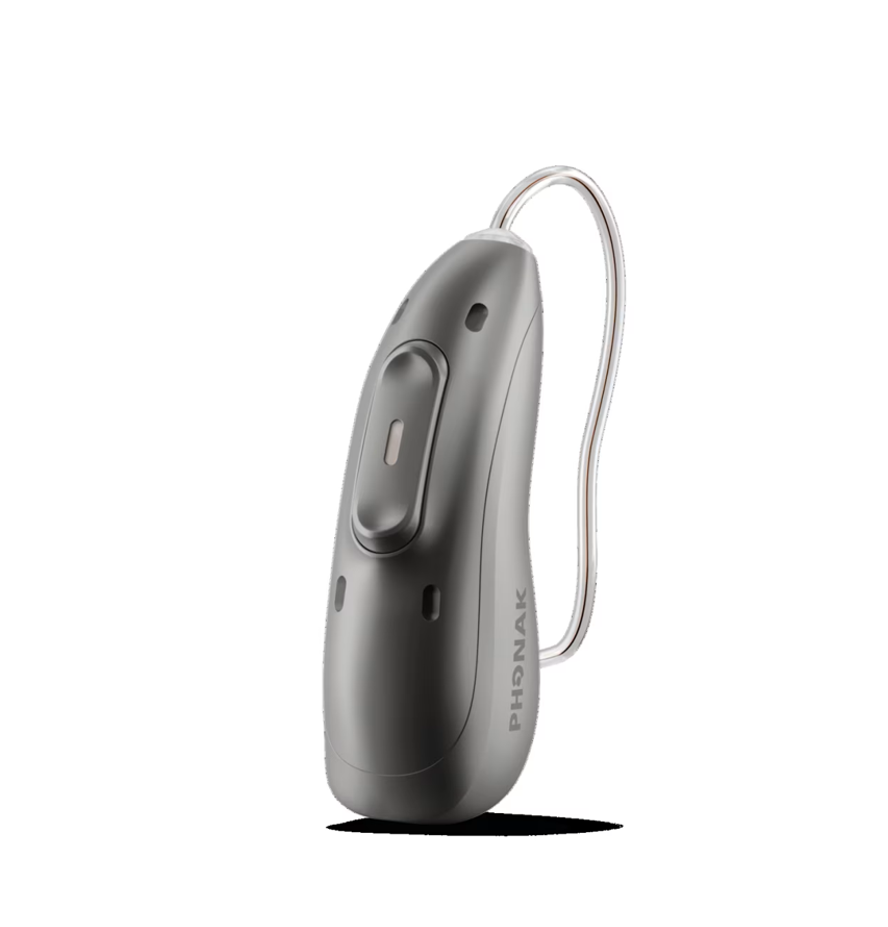
Sensorineural hearing loss occurs when there is damage to the inner ear or the auditory nerve pathways responsible for transmitting sound information to the brain.
One of the most common causes is damage to the tiny sensory hair cells within the cochlea. These cells play a vital role in converting sound vibrations into electrical signals. Once damaged, they generally cannot regenerate. Common symptoms of sensorineural hearing loss include:
Sensorineural hearing loss is generally permanent, and medical or surgical treatment is not usually able to restore the damaged sensory cells. However, hearing aids and other hearing technologies can often make a significant difference to communication and everyday life.
As the name suggests, mixed hearing loss is a combination of both conductive and sensorineural hearing loss.
This means there is a problem affecting the transmission of sound through the outer or middle ear, alongside damage or dysfunction within the inner ear or auditory nerve pathways.
For example, someone with existing age-related sensorineural hearing loss may also develop a build-up of earwax, resulting in an additional conductive component.
Treatment will depend on the underlying causes and may involve medical intervention, surgery, hearing aids or a combination of management options.

Hearing loss does not always happen suddenly. In many cases, it develops gradually, making it difficult to recognise the changes taking place.
You might find yourself asking people to repeat themselves more frequently, struggling to follow conversations in restaurants or turning the television up louder than usual.
These can all be early signs of hearing difficulties.
Regular hearing assessments can help identify changes in your hearing, establish the type and degree of hearing loss and determine whether further investigation or treatment is needed.
It is also important to seek advice if you notice any sudden or unexpected changes in your hearing. Sudden hearing loss requires urgent medical assessment.
Understanding how your ears work is the first step towards looking after your hearing. Whether you are concerned about age-related hearing loss, noise exposure or simply want to check that your hearing is in good condition, having your hearing assessed is a positive step.
Our advice is to have your hearing checked regularly and speak to a hearing healthcare professional if you notice any changes.
If you are experiencing difficulty hearing, or simply want to find out more about your hearing health, please don’t hesitate to get in touch. We are always happy to offer advice and help you take the next step towards better hearing.
Understanding How We Hear and the Different Types of Hearing Loss Have you ever wondered how your ears turn everyday

Cold weather, freezing temperatures and winter conditions can all affect how you care for your hearing aids. While modern hearing

As hearing loss progresses, social situations can sometimes become increasingly challenging. Spending time with family and friends, particularly in environments