
Glue Ear: Symptoms, Causes and Treatment Explained
Have you heard of glue ear? It’s a common condition, particularly in children, but how much do you really know


In this guide, we explain what glue ear is, what causes it, the symptoms to look out for and how it can be treated.
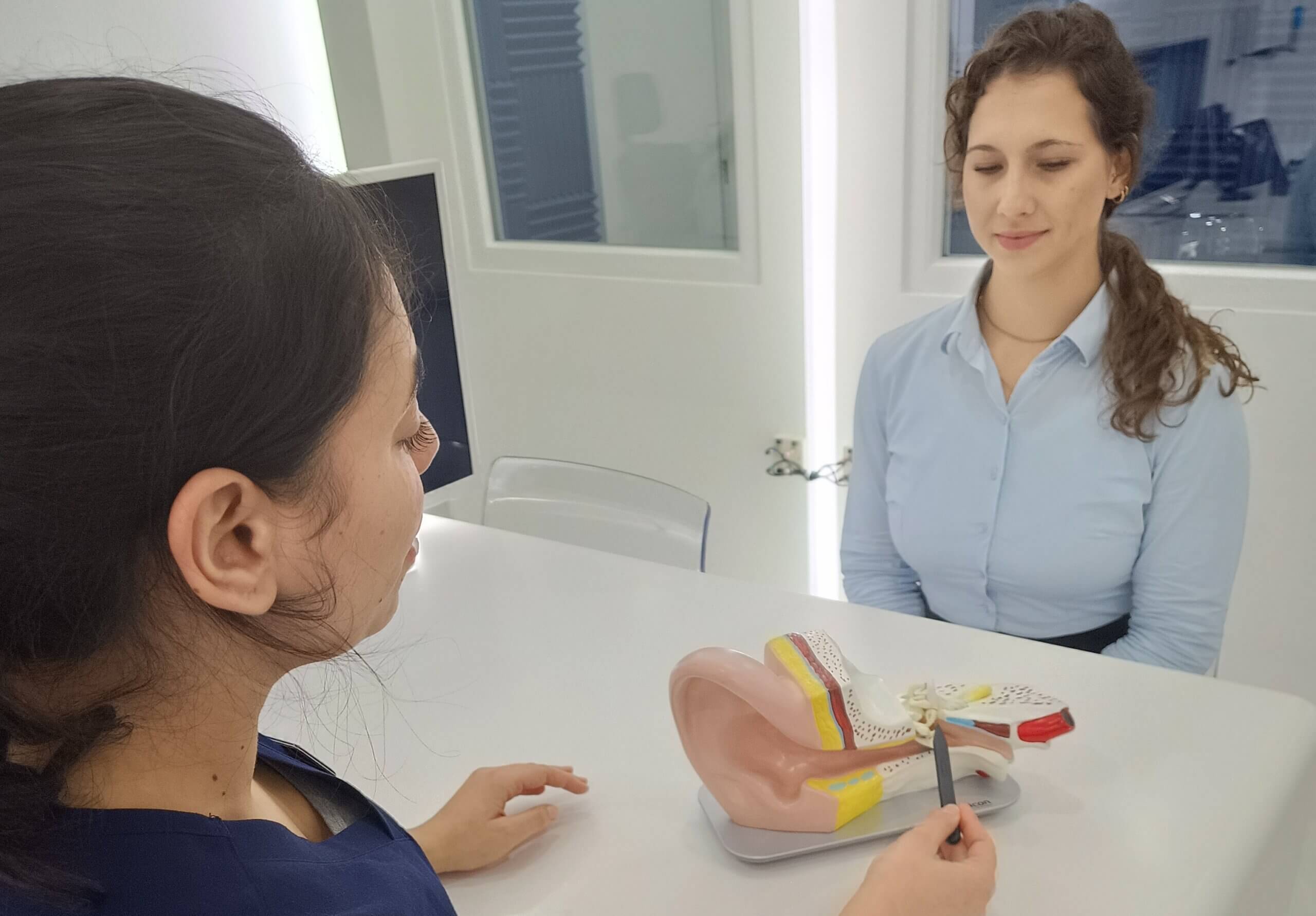
Glue ear, also known as otitis media with effusion (OME), occurs when fluid builds up in the middle ear behind the eardrum. This fluid can become thick and sticky, similar to glue, which is where the condition gets its name.
The Eustachian tube is a narrow passage that connects the middle ear to the back of the nose and throat. Its role is to regulate air pressure within the middle ear and help fluid drain away. If the tube does not function properly, fluid can accumulate behind the eardrum.

This build-up of fluid can prevent the eardrum and the tiny bones in the middle ear from vibrating as they should. As a result, sound cannot travel through the ear as effectively, potentially leading to temporary hearing loss.
Glue ear is most common in young children, but it can also affect adults.
The symptoms of glue ear can vary from person to person. Some people experience noticeable discomfort, while others may have few obvious symptoms beyond reduced hearing.
Common glue ear symptoms include:
In children, glue ear can sometimes go unnoticed. Signs to look out for include frequently asking people to repeat themselves, turning up the television volume, struggling to hear in noisy environments or experiencing difficulties with speech, language or learning.
If you or your child are experiencing persistent hearing difficulties, it is important to seek advice from a GP or hearing healthcare professional.
The exact reason why glue ear develops is not always clear. However, it is often associated with problems affecting the Eustachian tube, which can prevent the middle ear from ventilating and draining properly.
Several factors may contribute to the development of glue ear, including:
Glue ear is also more common in children because their Eustachian tubes are shorter and positioned differently from those of adults, making drainage problems more likely.
Although glue ear can occur at any time of year, respiratory infections are more common during the colder months, which may contribute to an increase in cases during winter.
In many cases, glue ear improves on its own without the need for treatment. The fluid may gradually drain away as the Eustachian tube begins to function normally again.
However, recovery times can vary, and the condition may persist for several weeks or months. If symptoms continue, or if hearing loss is affecting everyday life, it is important to seek medical advice.
For many people, particularly children, a period of monitoring may be recommended to see whether the condition resolves naturally.

Your GP may recommend a hearing test or further assessment if hearing difficulties persist. Treatment decisions will depend on the severity of the hearing loss, how long the fluid has been present and whether it is affecting speech, language, education or quality of life.
It is worth noting that over-the-counter antihistamines and decongestants have not been shown to be effective treatments for glue ear itself. You should speak to a healthcare professional before starting treatment, particularly for a child.
If glue ear persists and causes significant hearing difficulties, surgery may be considered.
One option is the insertion of grommets, also known as ventilation tubes. These tiny tubes are placed in the eardrum to allow air to enter the middle ear and help ventilate it. This reduces the effects of fluid build-up and improving hearing in suitable cases.
In some children, the removal of the adenoids may also be considered, particularly when enlarged adenoids contribute to ongoing ear problems. This procedure is known as an adenoidectomy and is recommended only when clinically appropriate.
Your GP or an ear, nose and throat (ENT) specialist can discuss the most suitable options based on individual circumstances.
Although glue ear often resolves naturally, persistent fluid in the middle ear can affect hearing. In children, prolonged hearing difficulties may also affect speech and language development, communication and learning.
You should contact your GP if you are concerned about persistent hearing loss, ongoing ear discomfort or symptoms that are not improving. A hearing assessment may help establish whether glue ear is responsible for the symptoms.

Seek prompt medical advice if you experience sudden hearing loss, significant ear pain, a high temperature or fluid leaking from the ear, as these symptoms may indicate another condition requiring assessment.
Glue ear is a common condition, particularly among children, and it often improves without treatment. However, understanding the symptoms and knowing when to seek advice can help ensure that persistent hearing difficulties are identified and managed appropriately.
If you have concerns about your hearing or would like advice on maintaining good hearing health, please get in touch with our team. We are always happy to help you understand your options and take the next step towards looking after your hearing.
Have you heard of glue ear? It’s a common condition, particularly in children, but how much do you really know
Modern hearing aids offer much more than improved hearing. Many Bluetooth-enabled hearing aids can connect to your smartphone, allowing you

If you’re wondering whether it’s appropriate to gift a hearing consultation to a loved one, the short answer is yes!