
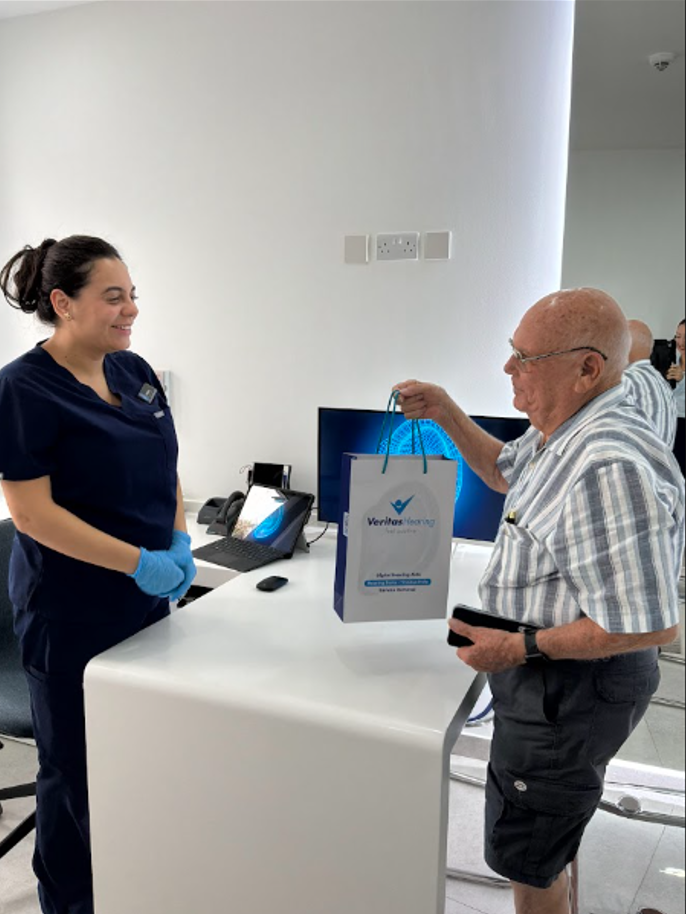
Is It Appropriate to Gift a Hearing Consultation to a Loved One?
If you’re wondering whether it’s appropriate to gift a hearing consultation to a loved one, the short answer is yes!


Much of this learning happens through listening, including incidental learning, where children learn by overhearing conversations and sounds around them.
For this reason, identifying the signs of hearing loss early can be important for supporting a child’s speech, language and overall development.
The first three years of a child’s life are a period of rapid development. During this time, children develop communication, language, social and cognitive skills at their own individual pace.
While every child develops differently, significant difficulty hearing can affect the development of speech and language. This can potentially have a knock-on effect on other areas of development, particularly if hearing loss goes undetected.
Knowing what to look out for can help parents and carers recognise when it may be worth seeking professional advice.

Babies respond to sounds in different ways, but some potential signs of hearing difficulties can include:
If you notice that your baby consistently does not respond to sounds or voices, it is worth discussing your concerns with a healthcare professional or hearing specialist.
By around 12 months, many babies are becoming increasingly aware of sounds and using communication to interact with the people around them.
Some skills you may expect to see developing at this age include:
A child who consistently does not respond to their name, voices or everyday sounds may benefit from having their hearing checked.
By age two, many children are developing a rapidly expanding vocabulary and beginning to combine words into short phrases.
Potential signs that a child may be experiencing difficulty hearing include difficulty with:
It is important to remember that children develop at different rates. A delay in one area does not necessarily mean that a child has hearing loss. However, if you have ongoing concerns about your child’s response to sound or speech and language development, a hearing assessment can help identify whether hearing may be contributing.
By around three years old, many children are becoming more confident communicators and developing increasingly complex language skills.
Some signs to look out for include difficulty with:
If your three-year-old is experiencing noticeable difficulties with speech, language or understanding instructions, it may be worth discussing their hearing with a healthcare professional.
Hearing plays an important role in a child’s ability to develop speech and language and interact with the people around them. When hearing loss is present, identifying it early can help ensure that appropriate support is provided as soon as possible.
Depending on the type and degree of hearing loss, support may include monitoring, communication support, hearing aids or, where clinically appropriate, cochlear implants.
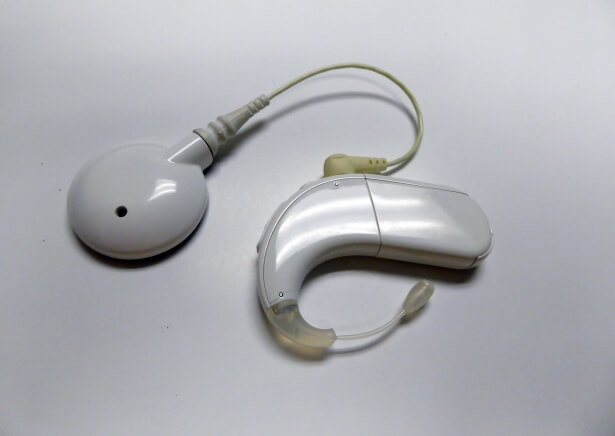
A cochlear implant is a surgically implanted electronic device that bypasses damaged parts of the inner ear to directly stimulate the auditory nerve.
If you have noticed that your child does not consistently respond to sounds, voices or their name, or you have concerns about their speech and language development, it is worth seeking professional advice.
You don’t need to wait until you are certain there is a problem. If you have concerns about your child’s hearing, our team is here to provide advice, answer your questions and help you understand what to do next.
Early support can make a meaningful difference to a child’s communication and development.
If you’re wondering whether it’s appropriate to gift a hearing consultation to a loved one, the short answer is yes!

Noise is simply part of modern life. From constant construction and roadworks to rush-hour traffic, aircraft overhead and the hum
For many people, accepting that they have hearing loss can take time. In fact, it can be several years before