
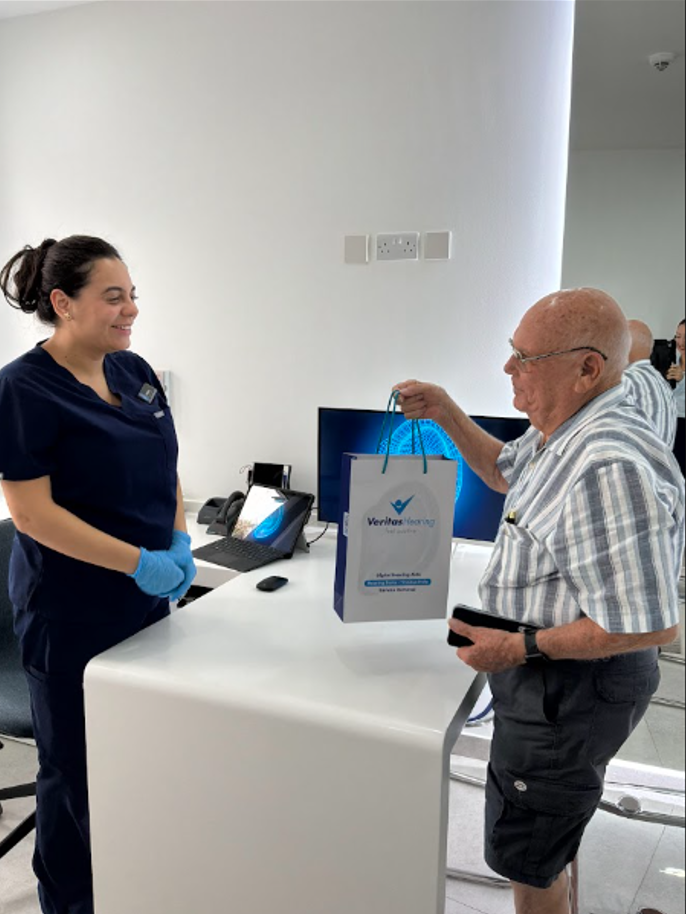
Is It Appropriate to Gift a Hearing Consultation to a Loved One?
If you’re wondering whether it’s appropriate to gift a hearing consultation to a loved one, the short answer is yes!


Understanding the different levels of hearing loss is essential because it helps determine the most appropriate treatment, including whether hearing aids or other hearing solutions may be beneficial.
If you’re unsure whether your hearing has changed, learning about the symptoms of each stage can help you recognise the signs and know when it’s time to book a professional hearing test.

Monitoring your hearing health and reporting any changes early is so important.
With mild hearing loss, soft sounds and quiet conversations can become more difficult to hear. While you may still manage most daily activities, you may notice that listening requires more effort than it used to. Common symptoms include:
Although mild hearing loss can often be overlooked, hearing aids can significantly improve speech clarity and reduce listening fatigue, particularly in restaurants, family gatherings, and other busy environments.
As hearing loss progresses to the moderate stage, communication becomes noticeably more challenging in everyday situations. Conversations may become frustrating, and you may find yourself relying on others to repeat what they’ve said. Signs of moderate hearing loss include:
At this stage, hearing aids are often highly effective and can make a significant difference to communication, confidence, and overall quality of life.
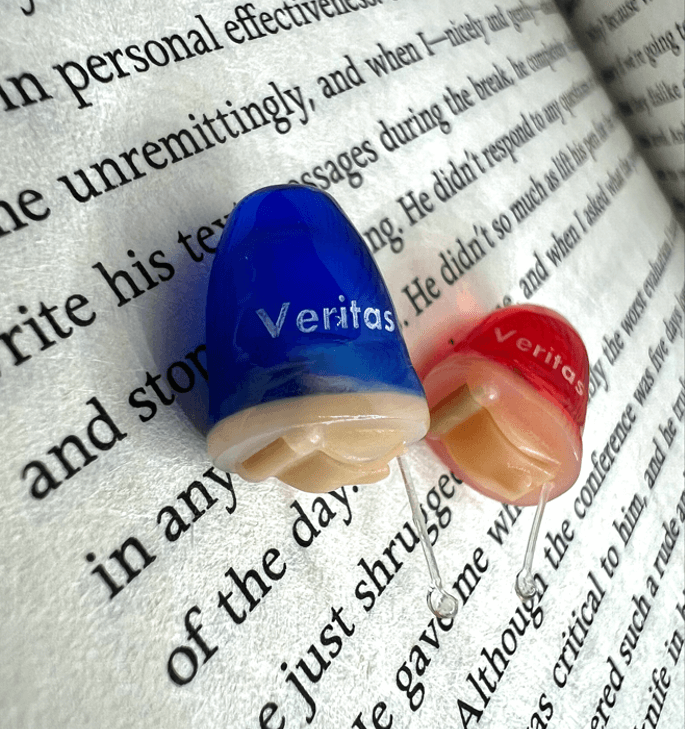
Hearing aids can be prescribed to help with a hearing loss.
Severe hearing loss can have a major impact on daily life if left untreated. Even conversations in quiet environments may be difficult to understand without hearing support. Symptoms may include:
Untreated severe hearing loss can contribute to social isolation, reduced confidence, and increased listening fatigue. Hearing aids are typically essential at this stage to improve communication and help maintain independence.
With profound hearing loss, hearing speech without assistance may become extremely difficult or impossible. Treatment options may include:
Early diagnosis and treatment can help maximise communication, improve quality of life, and support long-term hearing health.
Deciding when to start wearing hearing aids is a personal decision, but the sooner hearing loss is identified, the sooner it can be effectively managed. You may benefit from hearing aids if you:
If any of these signs sound familiar, it’s worth arranging a professional hearing assessment. Early intervention can help preserve your confidence, improve communication, and reduce the impact hearing loss has on your daily life.
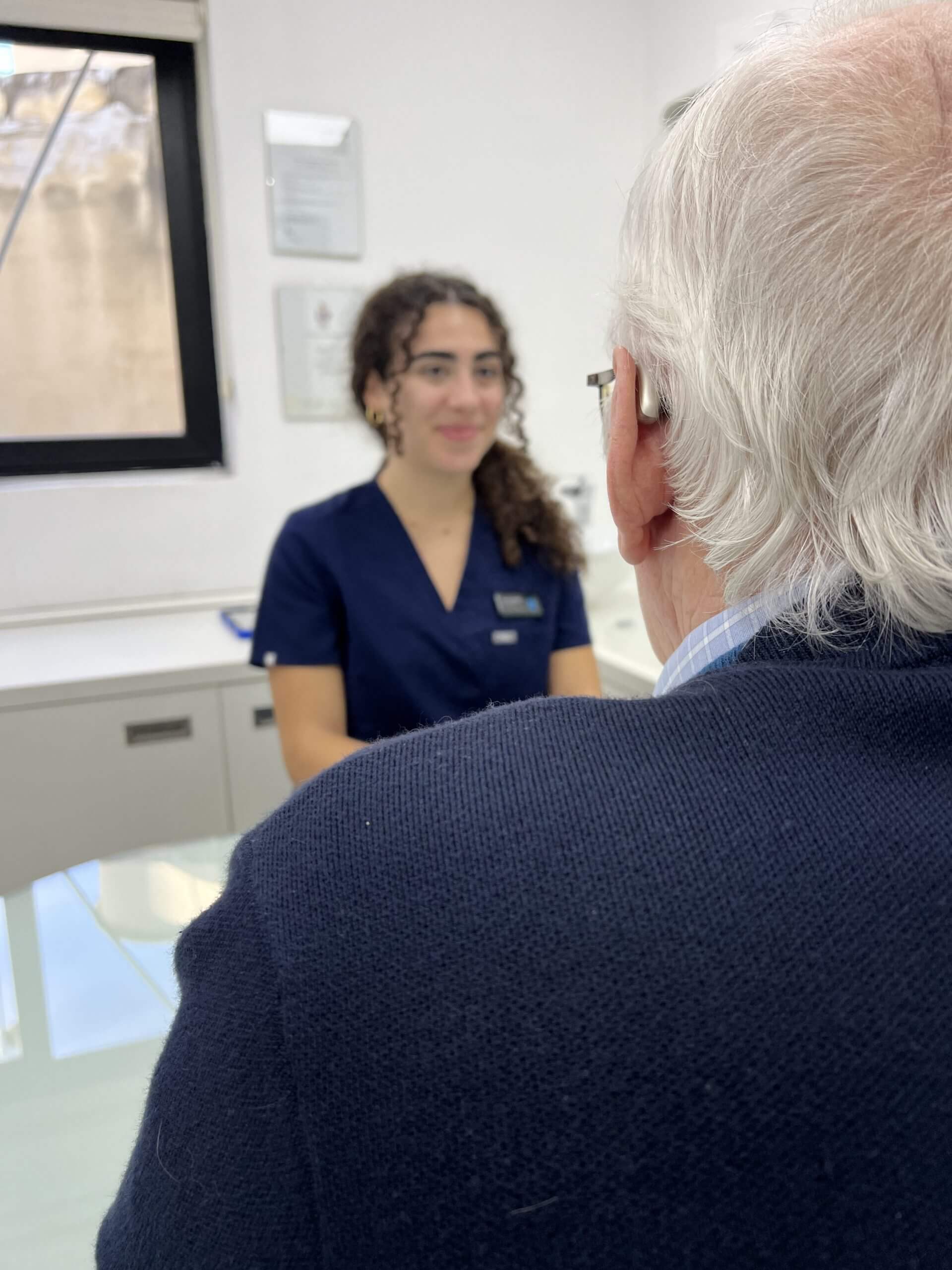
Hearing consultations are a quick and easy way to find out if you have a hearing loss.
Many people delay seeking help because hearing loss often develops gradually. However, untreated hearing loss can affect more than just your ability to hear. It can impact relationships, work, social activities, and emotional wellbeing.
Having your hearing checked early allows an audiologist to identify the cause of your hearing loss and recommend the most suitable treatment before it begins to affect your quality of life.
If you think you may be experiencing hearing loss, the best next step is to book a hearing consultation with a qualified audiologist. During your appointment, you’ll receive:
We provide professional hearing consultations in our chic and modern clinic in the middle of St Julians.
Book your appointment through our website today. If you have any questions about hearing loss, hearing aids, or your hearing health, our friendly team is always happy to help.
If you’re wondering whether it’s appropriate to gift a hearing consultation to a loved one, the short answer is yes!

Noise is simply part of modern life. From constant construction and roadworks to rush-hour traffic, aircraft overhead and the hum
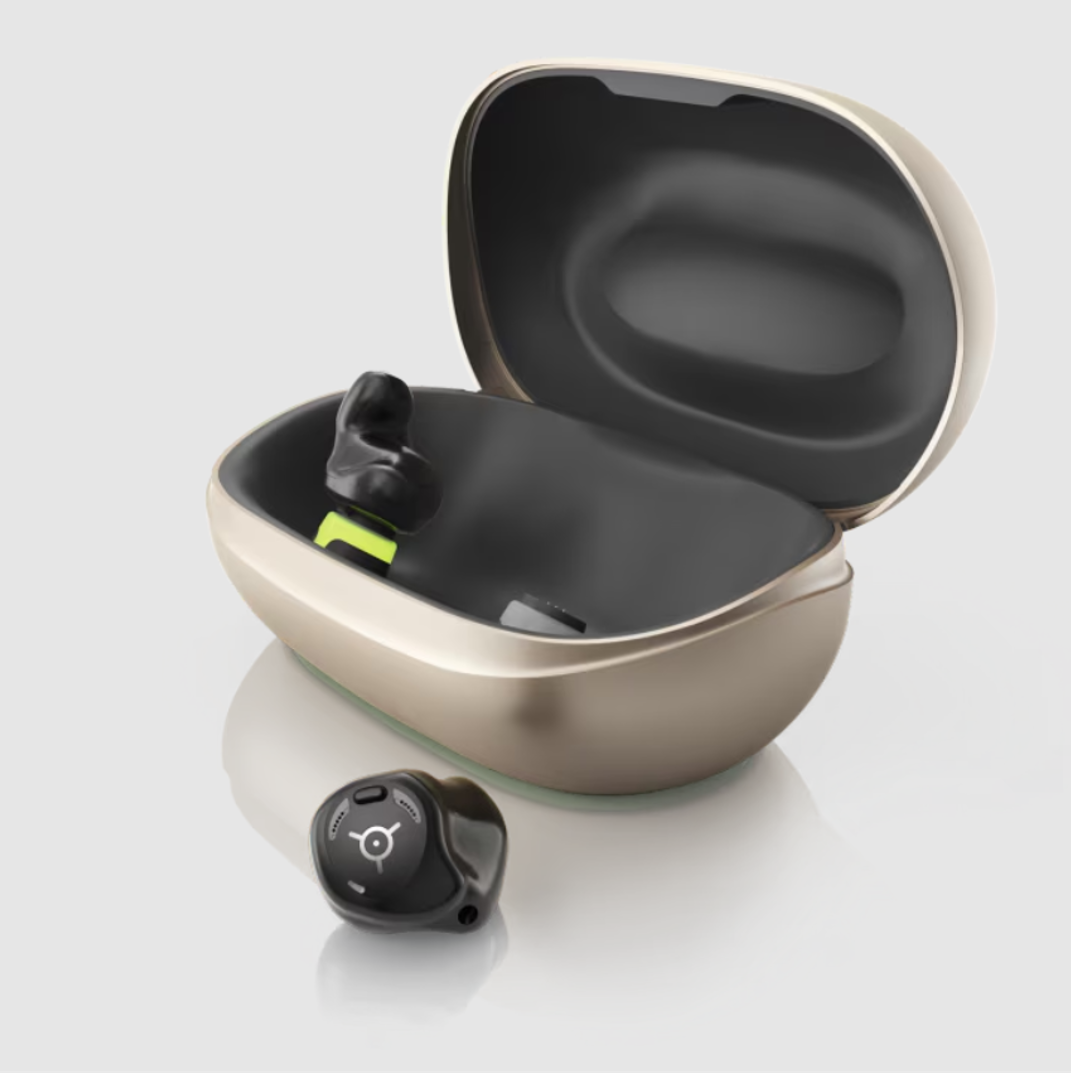
For many people, accepting that they have hearing loss can take time. In fact, it can be several years before