How Do Our Ears Work?
Understanding How We Hear and the Different Types of Hearing Loss Have you ever wondered how your ears turn everyday


So, do hearing aids work in cold weather? Absolutely! With the right care and maintenance, you can continue to enjoy clear, reliable hearing throughout the winter months.
Here are four simple ways to protect your hearing aids when temperatures drop.
Whether you’re enjoying summer sunshine or braving freezing winter temperatures, cleaning your hearing aids daily is essential.
Start by visually inspecting your devices to identify any visible dirt, debris or earwax build-up. Use a soft, dry cloth to gently wipe the surface of your hearing aids, followed by the appropriate cleaning brushes and tools to remove any debris from smaller areas.
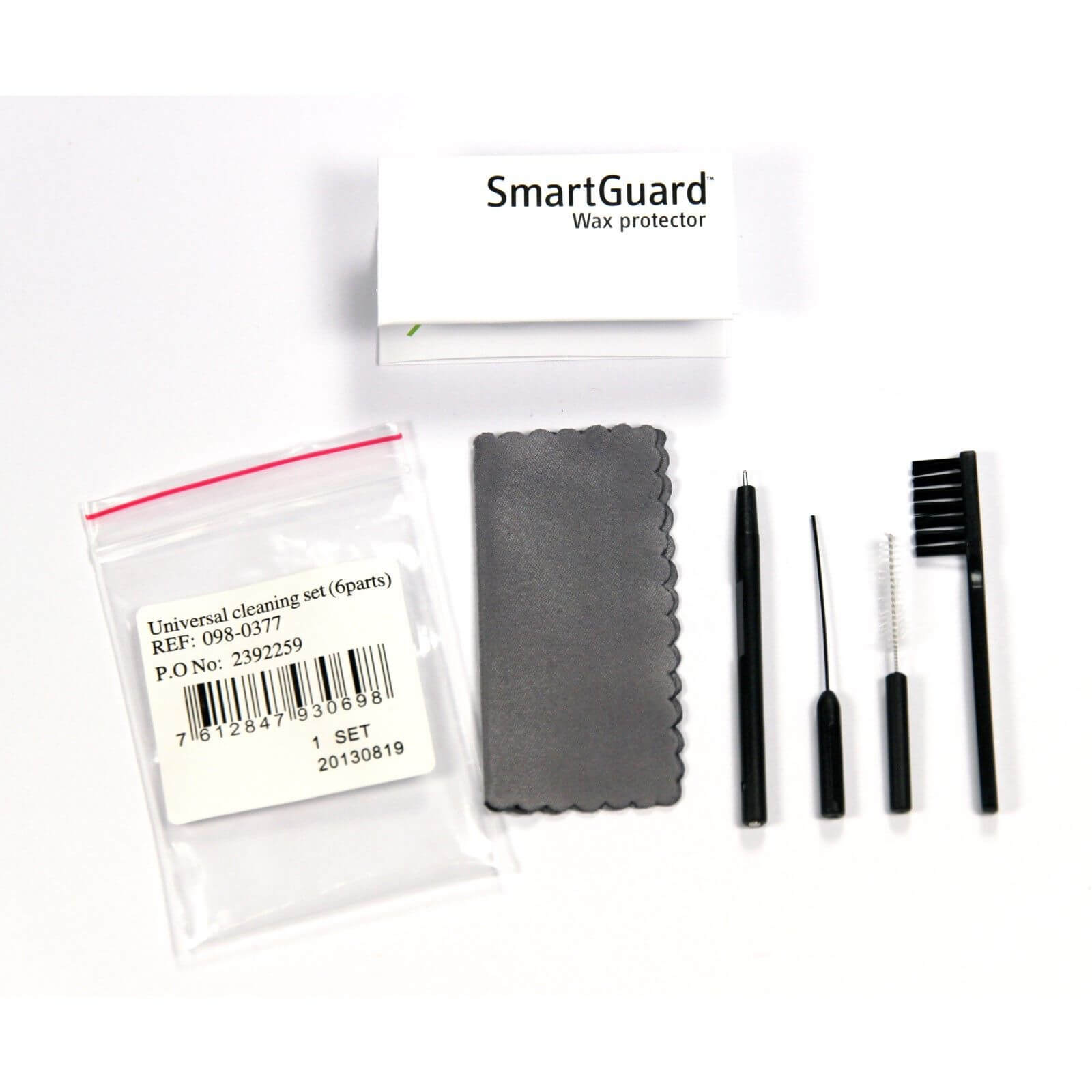
An example of a hearing aid cleaning kit.
Never use water or cleaning solutions directly on your hearing aids, as this could damage their delicate electronic components.
Regular cleaning helps maintain performance, prevent blockages and extend the lifespan of your hearing devices.
One of the main challenges for hearing aids in cold weather is moisture. Moving between cold outdoor temperatures and warm indoor environments can cause condensation to develop on or inside your devices.
To help prevent moisture-related damage:
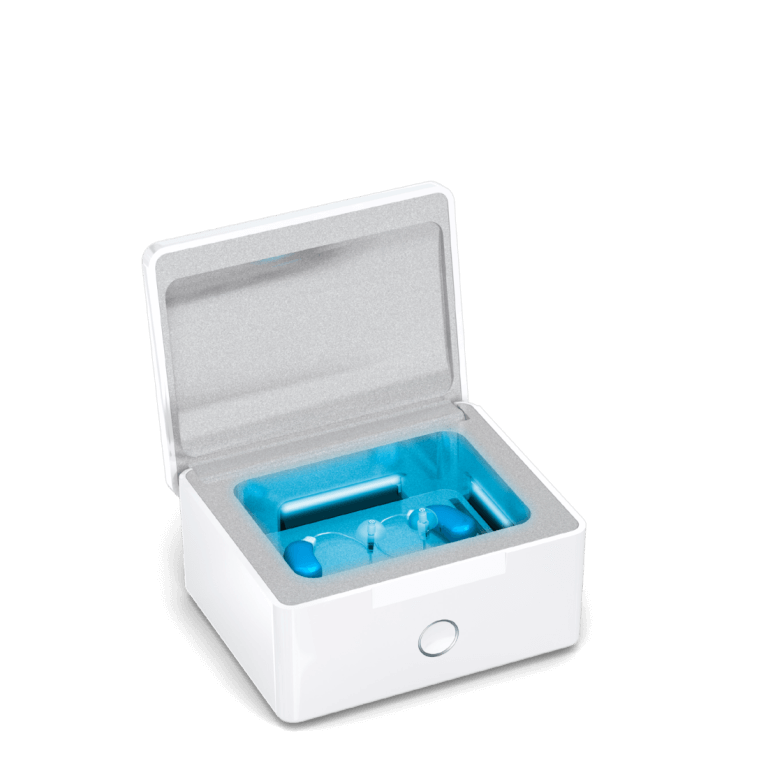
An example of a hearing aid drying system.
Keeping your hearing aids dry is particularly important during winter, as moisture can affect their performance and potentially damage internal components.
Cold temperatures can affect hearing aid battery performance, potentially reducing battery life and causing batteries to run down more quickly than usual.
If you’re planning to spend an extended period outdoors, it’s worth carrying spare batteries or taking your hearing aid charger with you, where practical.
Avoid leaving spare batteries, chargers or hearing aids in a cold car overnight. Store them in a dry environment at room temperature, following the manufacturer’s recommendations.
A little preparation can help ensure your hearing aids continue working reliably, even on the coldest days.
You don’t need to sacrifice warmth to enjoy good hearing during winter. Hats, scarves and earmuffs can all be worn comfortably alongside most modern hearing aids.

However, take care when putting on and removing winter accessories to avoid accidentally knocking your devices out of position.
It’s also worth checking that your hearing aids are still securely in place after removing your hat or scarf.
Some modern hearing aids feature tracking technology, allowing you to use a compatible smartphone app to help locate a misplaced device.
So, can you wear hearing aids in freezing temperatures? Yes! Modern hearing aids are designed to cope with everyday conditions, and cold weather shouldn’t stop you from enjoying the benefits of better hearing.
By maintaining a regular cleaning routine, protecting your devices from moisture, looking after their batteries and taking care when wearing winter accessories, you can help keep your hearing aids performing at their best throughout the colder months.
If you have any concerns about using hearing aids in cold weather or would like advice on winter hearing aid care, our friendly team is always happy to help. Get in touch today for expert advice and support.
Understanding How We Hear and the Different Types of Hearing Loss Have you ever wondered how your ears turn everyday

As hearing loss progresses, social situations can sometimes become increasingly challenging. Spending time with family and friends, particularly in environments

Have you heard of glue ear? It’s a common condition, particularly in children, but how much do you really know