Looking After Your Hearing Aids While on Holiday
Hearing aids play a vital role in keeping you connected and confident in social situations. When you’re travelling, it’s important

To answer whether headphones can cause hearing loss, we first need to understand how loud noise affects our ears. Prolonged exposure to high sound levels can lead to noise-induced hearing loss.
As a general guide, sounds above 85 decibels (dB) can begin to damage your hearing if you’re exposed to them for more than 8 hours. Even more concerning, sounds over 100 dB can cause damage in as little as 15 minutes.
We’ve all had that moment, your favourite song comes on and the volume goes up. The issue is that most headphones aren’t limited, meaning you can listen at maximum volume for extended periods. At these levels, hearing damage can occur in just a few songs.
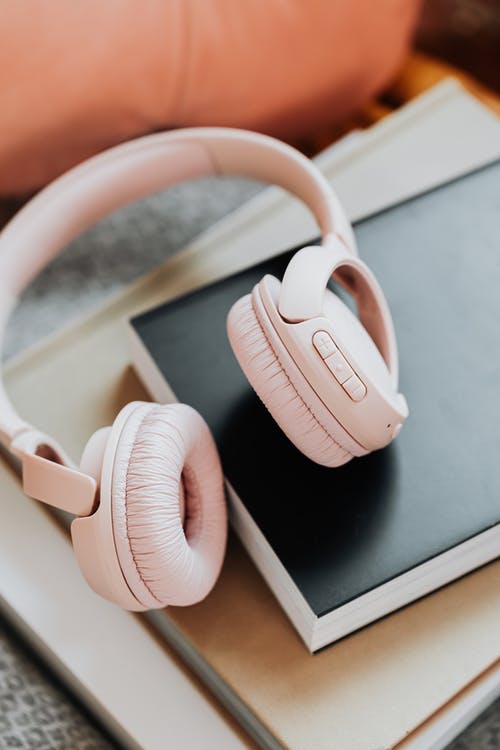
You should always listen to music at a safe level with your headphones.
Many smartphones now include warnings when your volume is too high. These alerts are there for a reason, so it’s important not to ignore them.
Inside your ear is a structure called the cochlea, which contains tiny hair cells responsible for detecting sound. When you listen to very loud music, these hair cells vibrate excessively and can become overwhelmed.
In some cases, this leads to temporary hearing changes, like the muffled hearing you might experience after a concert. Usually, your hearing returns to normal after a few hours as the hair cells recover.
However, repeated or intense exposure can cause permanent damage. When these hair cells stop functioning and don’t recover, this results in noise-induced hearing loss.
The good news is that there are simple ways to reduce your risk. Where possible, try to vary how you listen to music. At home, consider using speakers instead of headphones. Of course, when you’re travelling or exercising, headphones are often the most practical option.
In these situations, it’s best to follow the 60/60 rule: listen at no more than 60% of your device’s maximum volume for no longer than 60 minutes at a time. This can significantly lower your risk of hearing damage.
Most smartphones also allow you to set a maximum volume limit. It’s worth exploring your settings and turning this feature on to help keep your listening at a safe level.
It’s also important to be mindful in noisy environments, such as on public transport. Background noise doesn’t reduce your music volume, it simply masks it. Turning your music up to compensate actually increases the overall sound exposure.
If you regularly use headphones in busy or loud settings, noise-cancelling headphones can be a great investment. They reduce background noise, meaning you won’t need to turn your volume up as high.
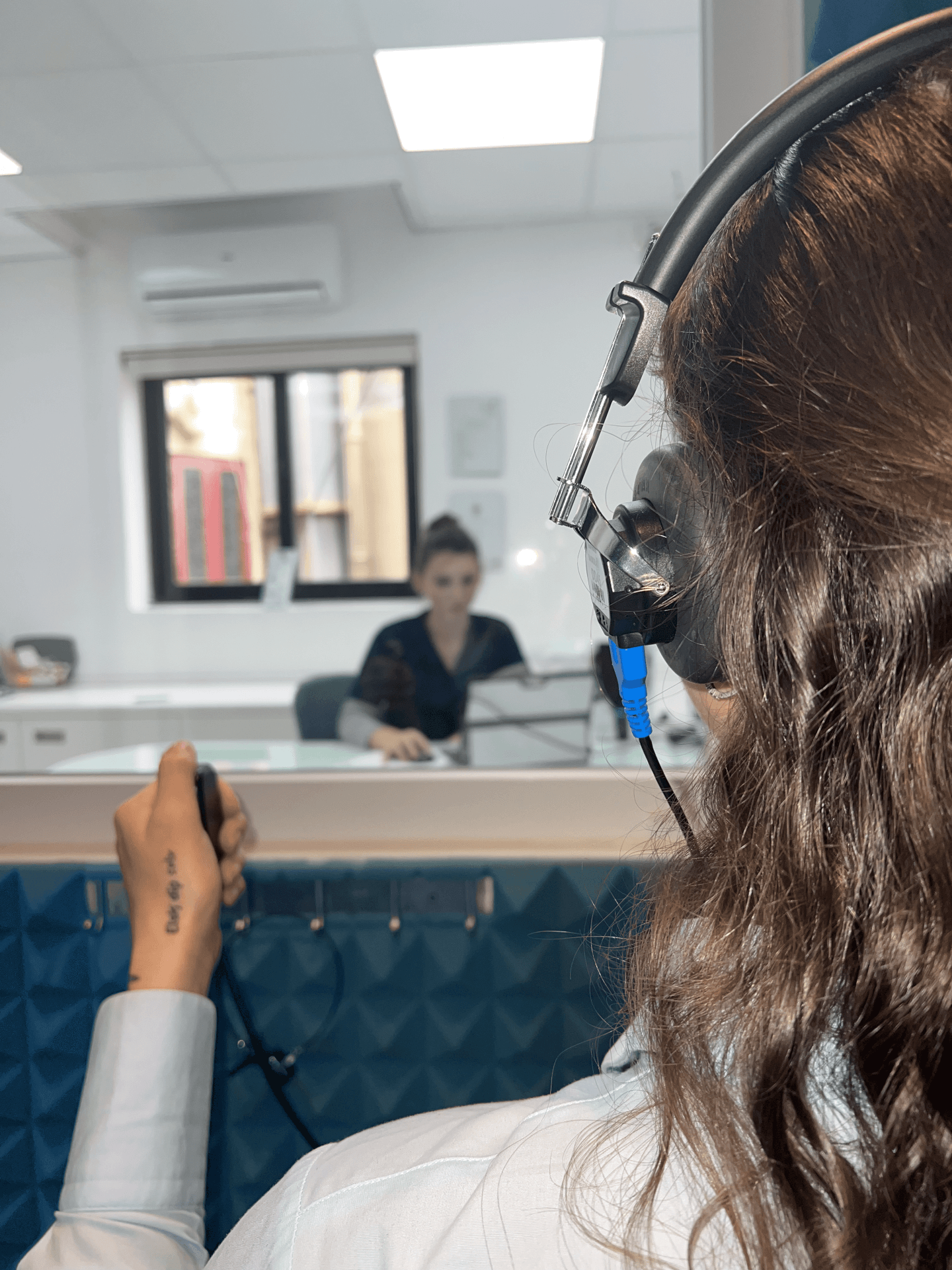
If you’re concerned that your hearing may have been affected, it’s a good idea to book a hearing consultation. Early advice and support can make a real difference.
If you have any questions or would like further guidance on protecting your hearing, feel free to get in touch, we’re here to help.
Hearing aids play a vital role in keeping you connected and confident in social situations. When you’re travelling, it’s important
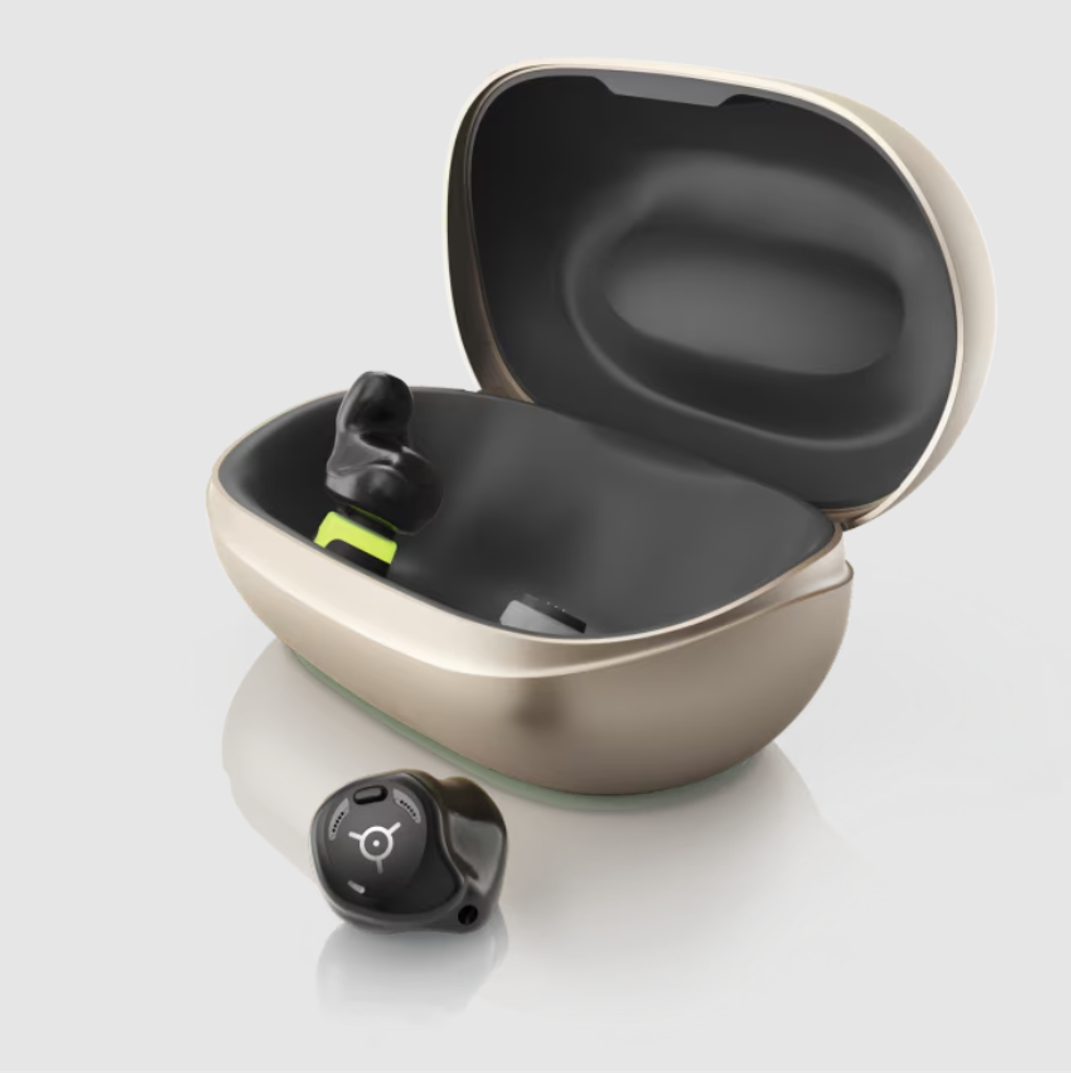
You’ve taken the step and invested in your new hearing aids, and you’re getting on brilliantly. But what else is
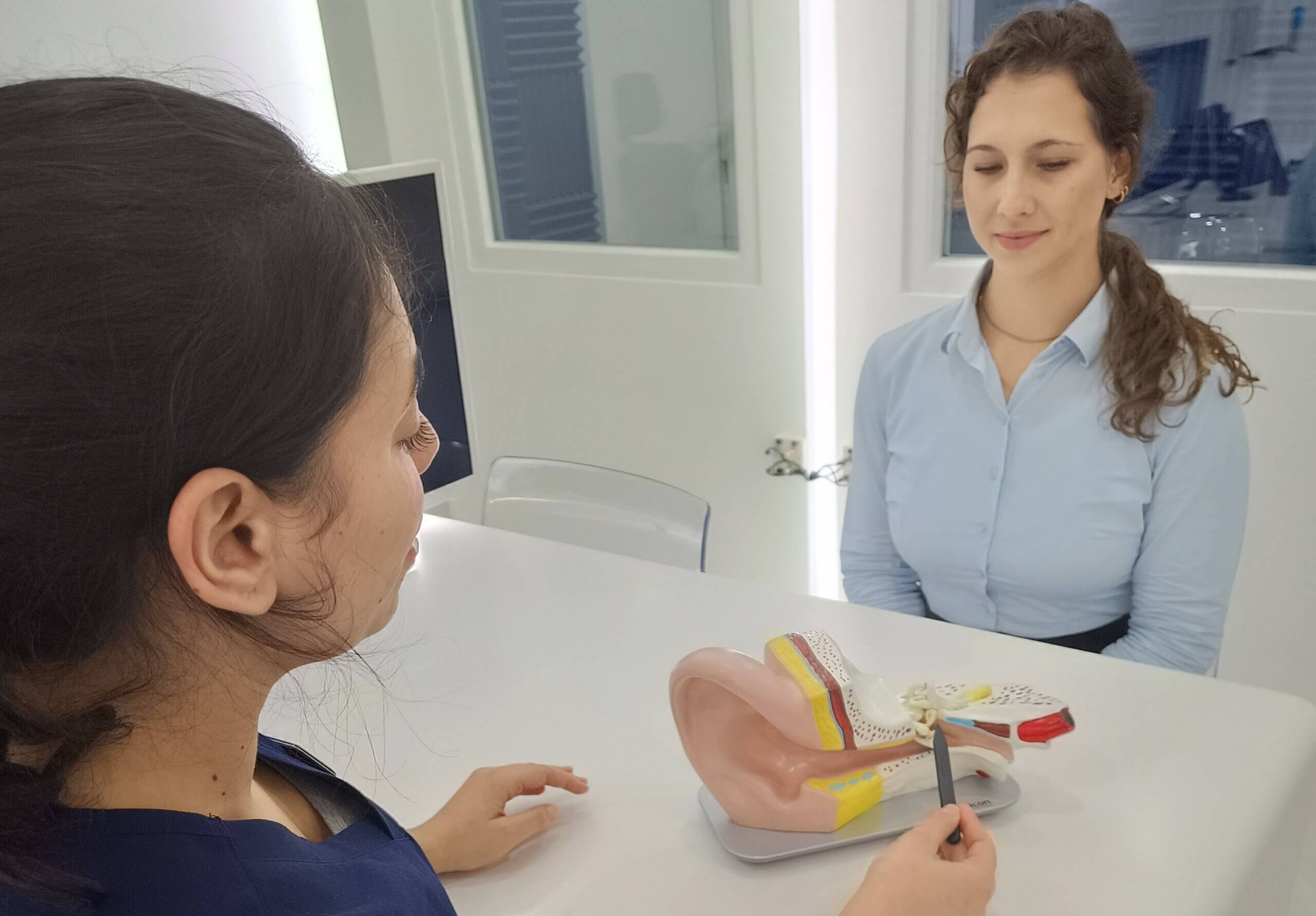
Let’s be honest, itchy ears are incredibly frustrating. Unlike other itches, you can’t simply scratch them without risking damage, which