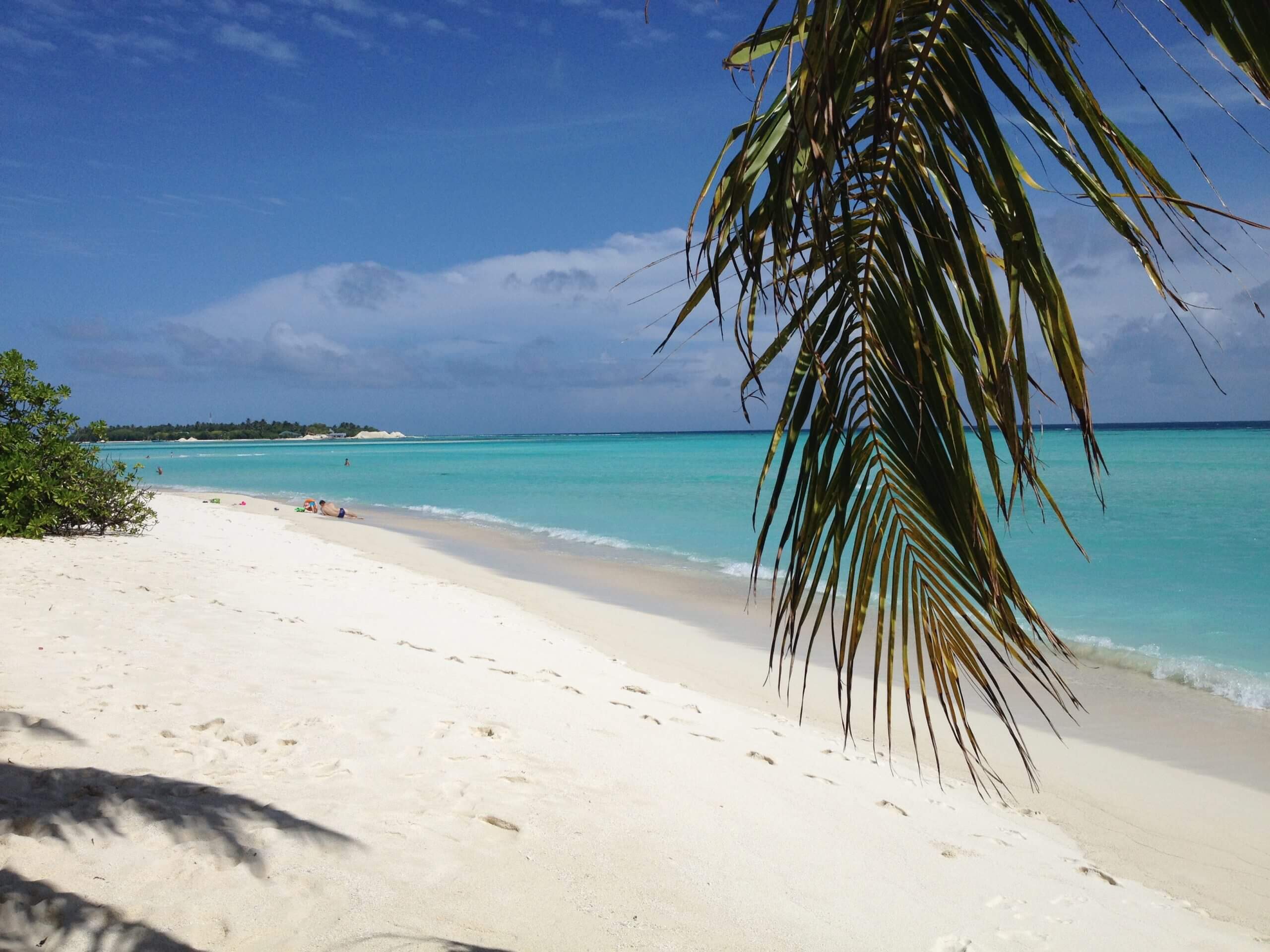
Looking After Your Hearing Aids While on Holiday
Hearing aids play a vital role in keeping you connected and confident in social situations. When you’re travelling, it’s important

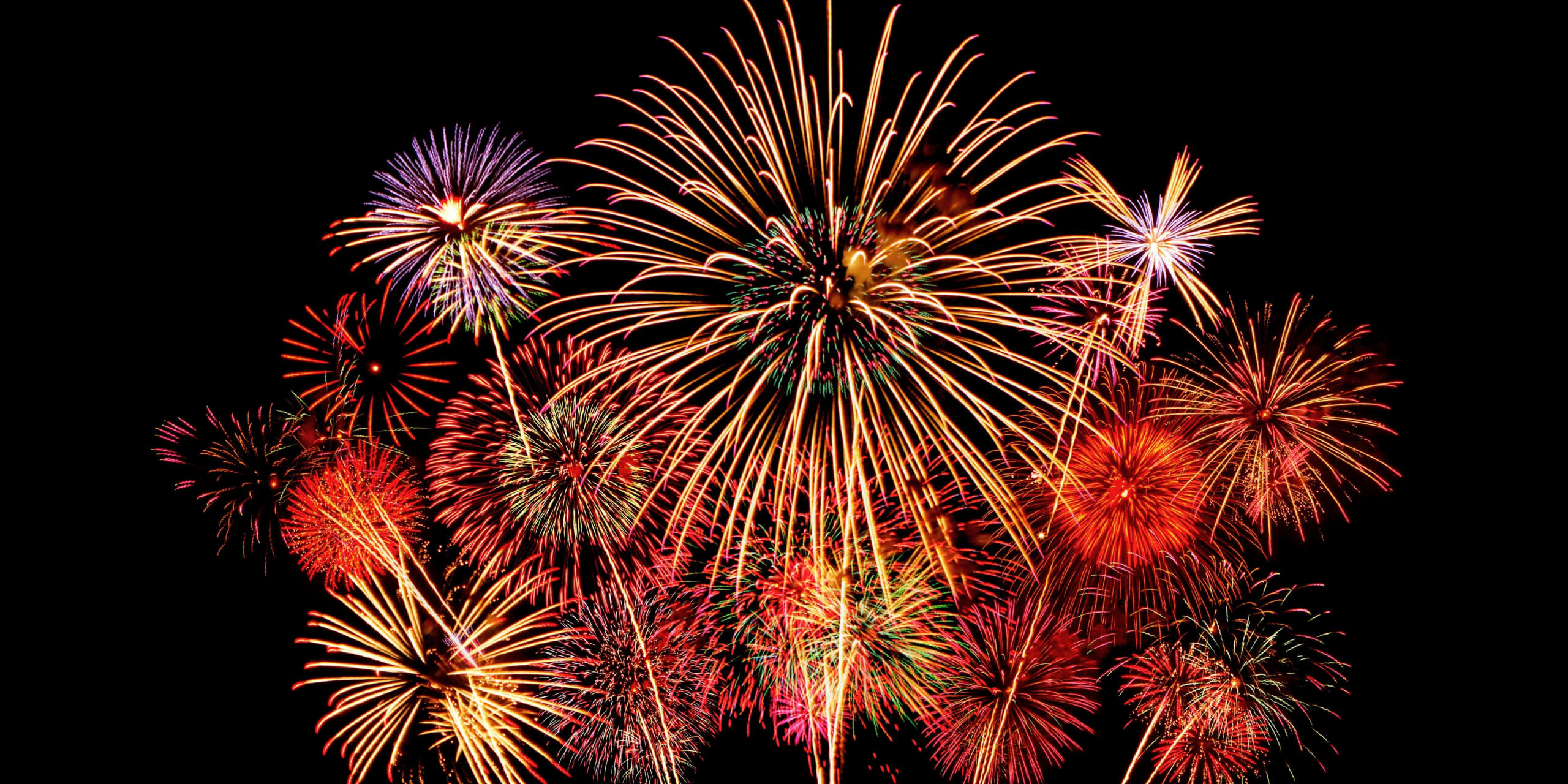
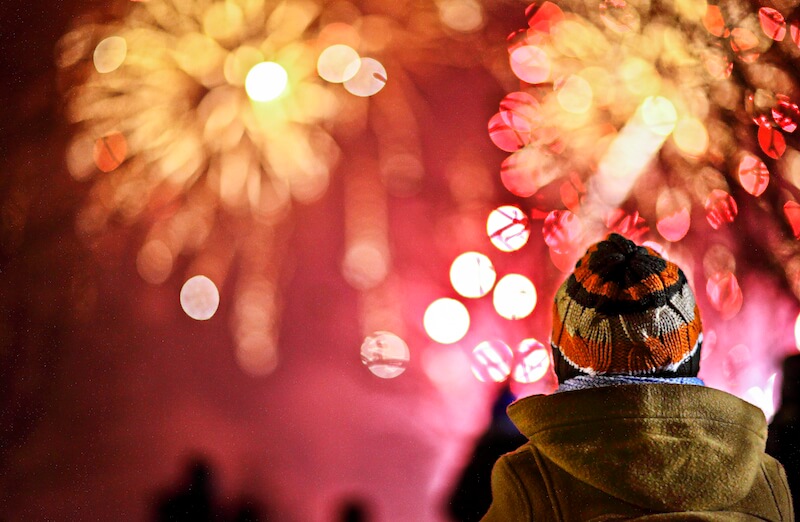
Generally speaking, exploding fireworks can easily exceed 120 decibels (dB). The considered “safe level” for sound is 85db. This means that being too close to a firework of this sound level could result in a temporary or permanent hearing loss. We would always advise watching from a distance or wearing a form of ear protection.
For comparison, here are some sound levels:
As you can see, fireworks are high up on the list and can often be as loud as a gunshot. A noise of over 85dB is considered to be dangerous to unprotected ears so we would suggest using ear defenders or earplugs. Earplugs can reduce sound level by approximately 30dB.
If you consider the fireworks to be too loud, they are most certainly too loud for any children present. A child’s ears are more sensitive and less tolerant of loud noise. Hearing loss has a huge impact on children and could affect their cognitive development. An easy way to protect your child’s hearing is to get them to wear a pair of ear muffs or special ear defenders. Children may not be as keen on ear plugs as adults but there are specific varieties that can be purchased for children. Wearing ear protection means that fireworks can be enjoyed at a safe noise level for our hearing.
After any extended period of loud noise, your ears will need a little rest. Experts recommend resting your ears for at least 16 hours, although you can obviously choose to rest them for longer. This just means that you should have some time where you are not exposed to any further loud noise.
If you need any advice relating to noise related hearing loss, don’t hesitate to get in touch.
Hearing aids play a vital role in keeping you connected and confident in social situations. When you’re travelling, it’s important
You’ve taken the step and invested in your new hearing aids, and you’re getting on brilliantly. But what else is
It’s estimated that around 1 billion people aged 12–35 are at risk of developing hearing loss due to listening to