Looking After Your Hearing Aids While on Holiday
Hearing aids play a vital role in keeping you connected and confident in social situations. When you’re travelling, it’s important

Sound is measured in decibels (dB) and any sound over 85dB is considered as past a safe listening level. Normal conversation is generally measured at around 60 dB with an airplane taking off being right at the other end of the spectrum at 180dB.
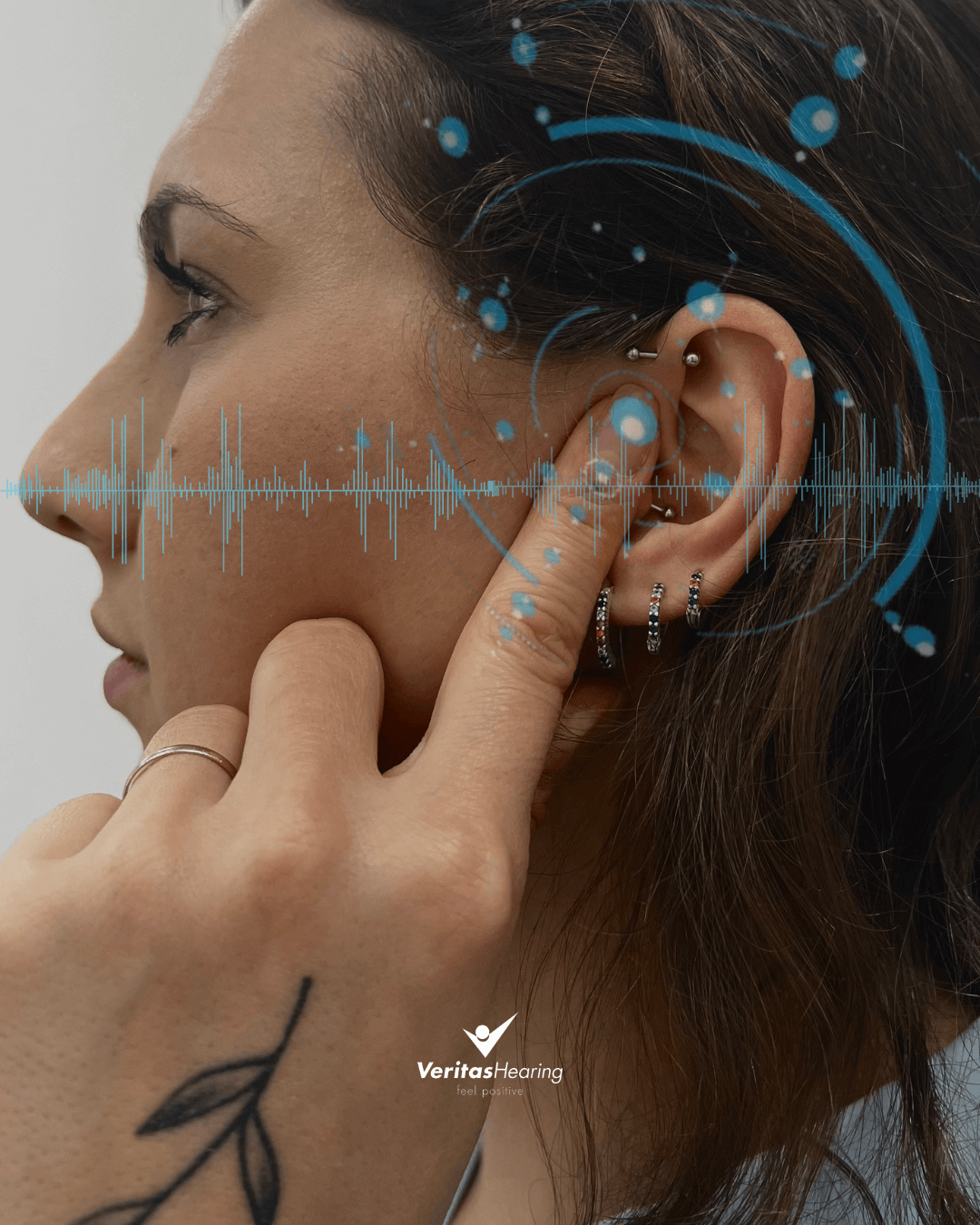
Sound is measured in decibels (dB).
Generally speaking, exploding fireworks can easily exceed 120 decibels (dB). This is well above the safe listening level and means that being too close to a firework of this sound level could result in a temporary or permanent hearing loss. Watching from a distance or wearing a form of ear protection is recommended.
Is there any better feeling than hearing your favourite artist belt out that tune you love live? Probably not! However, attending music concerts and festivals does not come without certain risks. An indoor concert generally has a noise level of somewhere between 95-110dB. An outdoor music festival is a little less, usually around 90-100dB. It is not uncommon to experience buzzing or ringing in your ears after attending a festival or concert. Sometimes, this will disappear after an hour or so. In more severe cases, it could be a sign of hearing damage.
The noise level in football stadiums is usually between 80-90 decibels (dB), but can reach up to 100 dB at the loudest stadiums. There are thousands of people all crammed together who are encouraged to make a lot of noise.
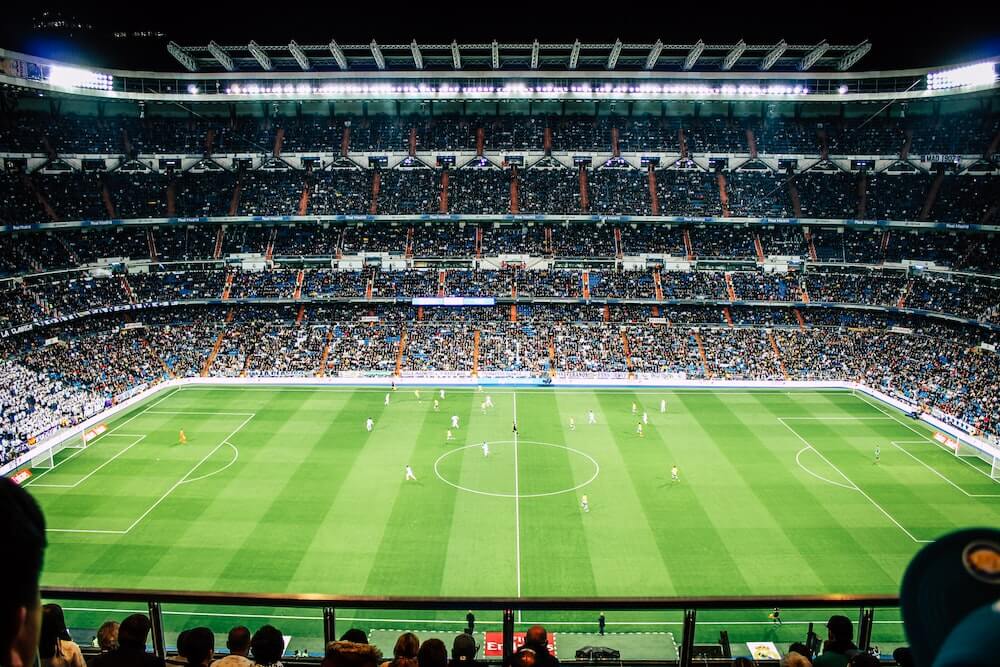
Football stadiums are noisier than you may expect.
Sound levels in the cinema typically measure between 70-100dB. The lower end of the scale is at a safe listening level, however often during action scenes the sound is much higher.
If you stay in an environment where the noise level is above 80dB for eight hours or more, you risk suffering some form of hearing damage. Wearing ear protection such as earplugs or ear defenders is a great way to protect yourself from any damage. Many people choose not to wear ear protection as they think it will affect their listening experience. However, this is not the case. Earplugs have a noise-reduction rating (NRR) which tell you how many dB they will reduce the noise level by. NRR 22dB ear plugs will reduce the noise level by 22dB so if you were attending an event where the noise level is 100dB, this would be reduced to 78dB making the overall noise level much safer. This is still loud enough for you to enjoy the experience.
After any extended period of loud noise, your ears will need a little rest. Experts recommend resting your ears for at least 16 hours, although you can obviously choose to rest them for longer. This just means that you should have some time where you are not exposed to any further loud noise.
We have given a few examples here of everyday events that we attend where often the noise level far exceeds safe listening levels. There are so many more that we could have listed. It is important that you are aware of dangerous sound levels. There are apps that can be downloaded to a smartphone which measure the sound level in the environment you are in. If you need any further advice, or believe your hearing has been damaged by exposure to loud noise, please get in touch.
Hearing aids play a vital role in keeping you connected and confident in social situations. When you’re travelling, it’s important
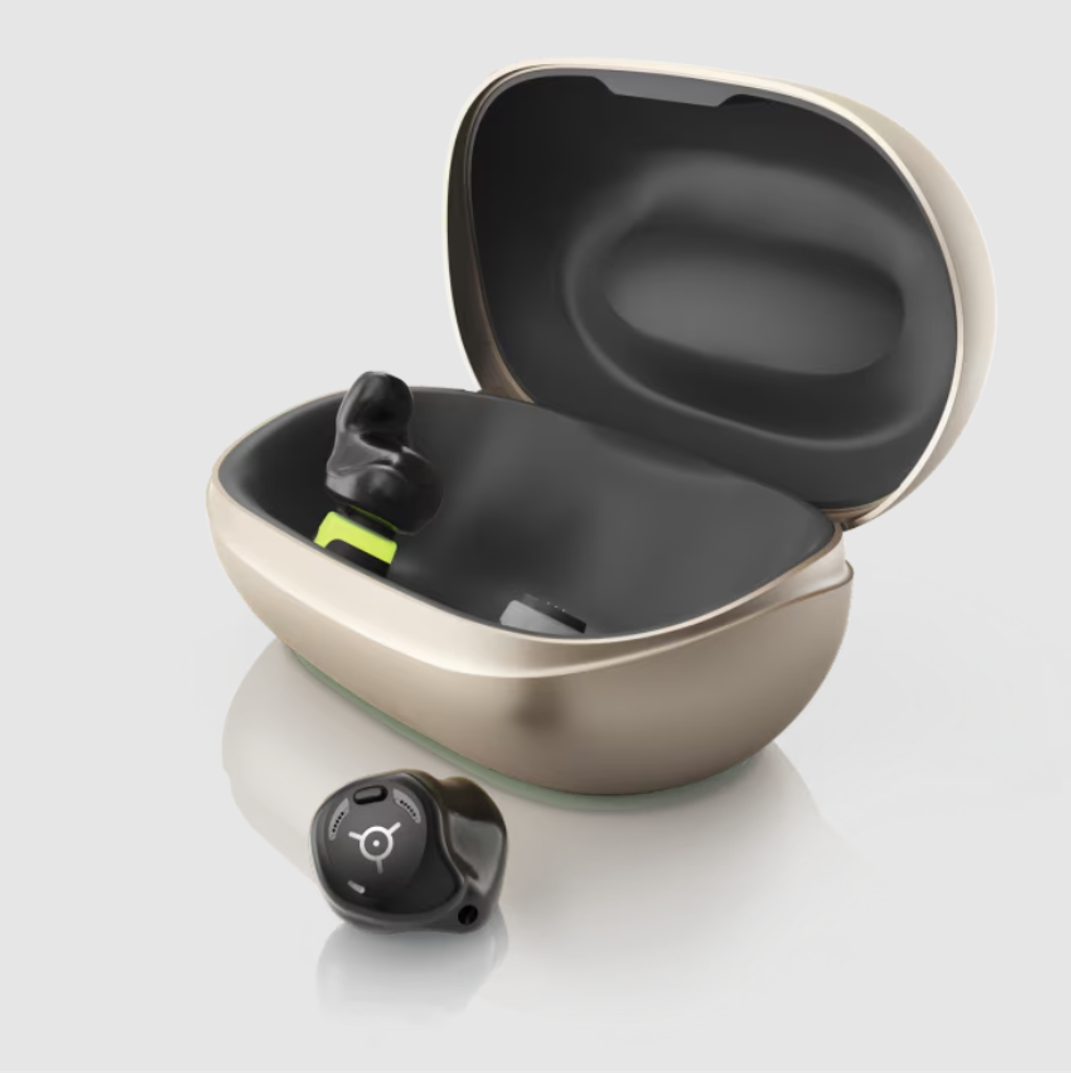
You’ve taken the step and invested in your new hearing aids, and you’re getting on brilliantly. But what else is
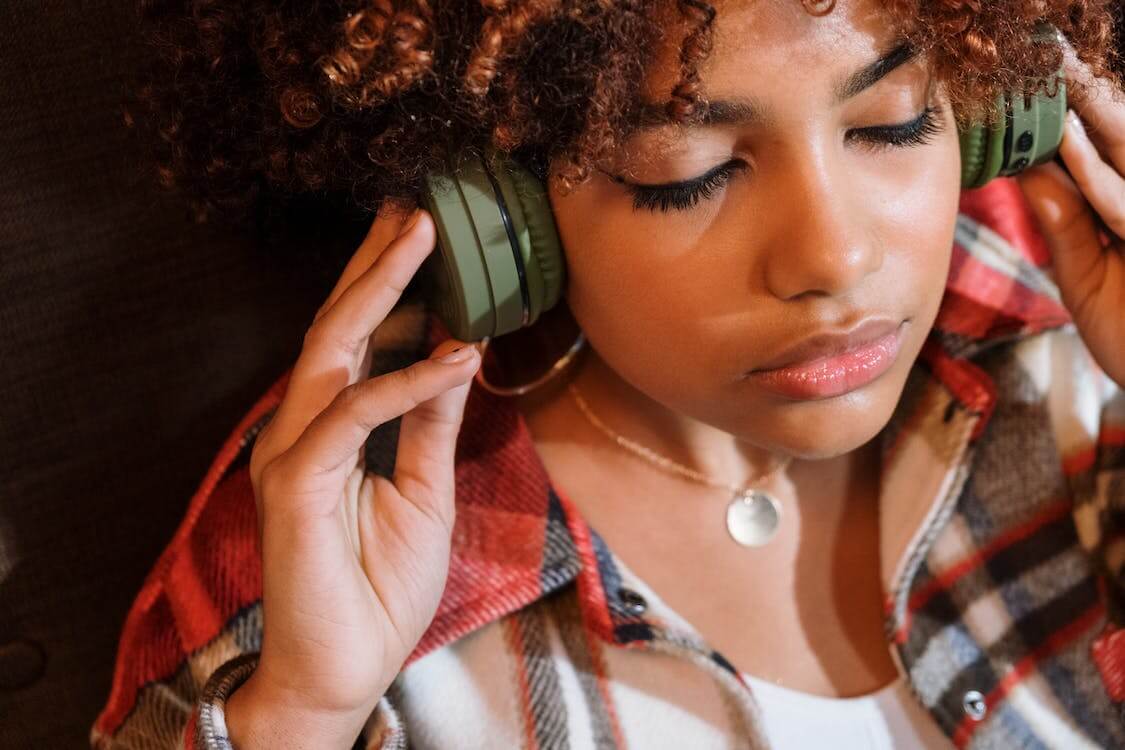
It’s estimated that around 1 billion people aged 12–35 are at risk of developing hearing loss due to listening to