
Is It Appropriate to Gift a Hearing Consultation to a Loved One?
If you’re wondering whether it’s appropriate to gift a hearing consultation to a loved one, the short answer is yes!


A hearing healthcare professional can provide tailored support, and some people benefit from hearing aids. However, there are also several simple strategies you can try at home to help manage your symptoms.
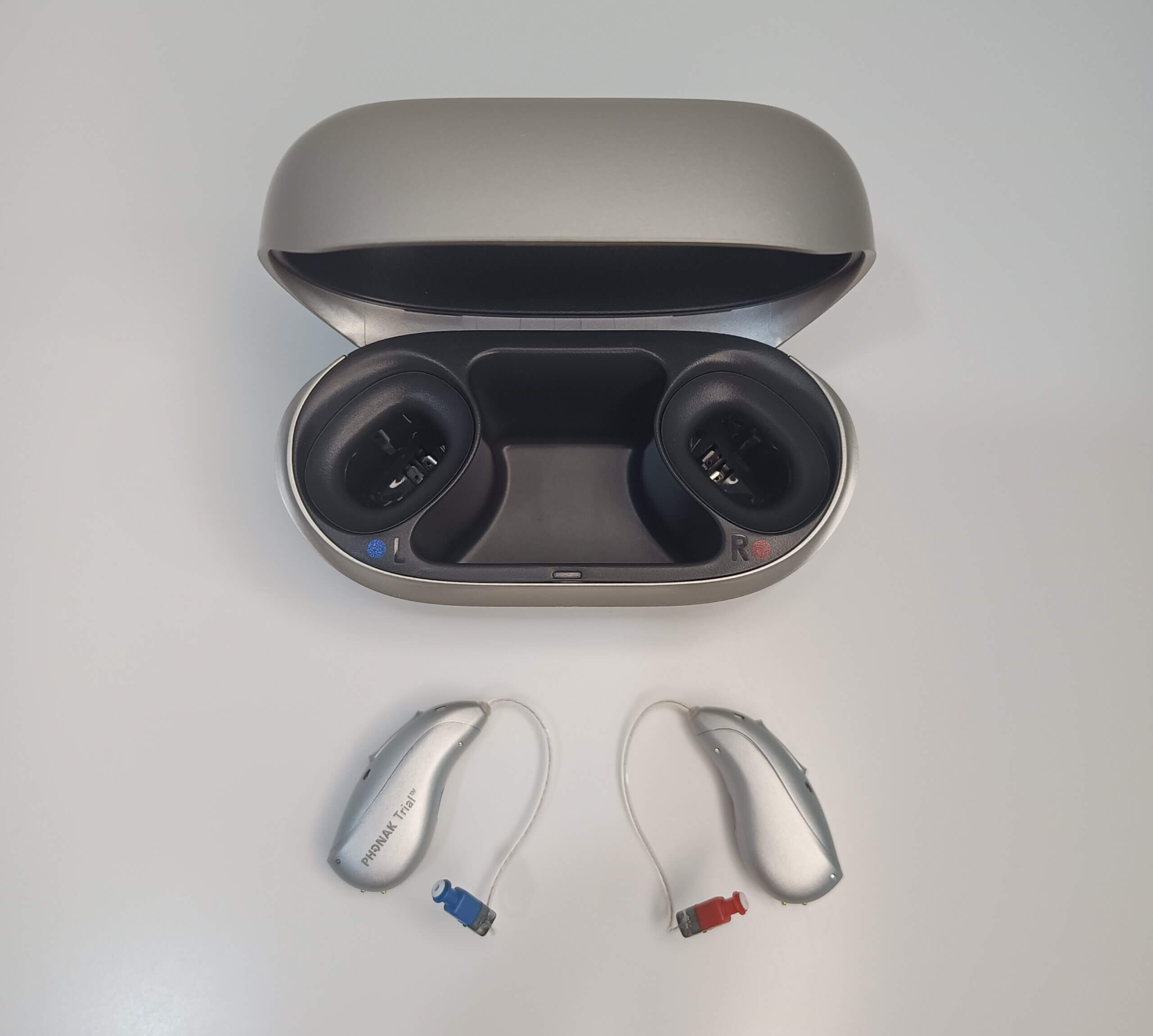
Wearing hearing aids can help with the effects of tinnitus.
White noise machines can help mask tinnitus, making the sounds less noticeable and easier to cope with. They can be especially useful at night or during quiet moments when tinnitus may feel more prominent.
Some people prefer calming sounds or soft music played at a low volume. This can help shift your focus away from tinnitus and reduce its impact. There are also a range of apps available that offer white noise and sound therapy options.
Stress and anxiety are closely linked to tinnitus and can often make symptoms feel worse. Techniques such as deep breathing, meditation, and progressive muscle relaxation can help calm the mind and body.
Practising these regularly may reduce overall stress levels and make tinnitus feel more manageable over time.
Maintaining a healthy lifestyle can play an important role in managing tinnitus. Regular physical activity helps improve circulation and reduce stress, both of which may have a positive effect on symptoms.

Regular exercise is important for our general health and wellbeing.
A consistent sleep routine is equally important, as fatigue can make tinnitus feel more intense.
Certain foods and drinks, such as caffeine, alcohol, artificial sweeteners, and high-salt foods, can worsen tinnitus for some people.
Triggers vary from person to person, so it can be helpful to monitor what you consume and notice any patterns. Once identified, you can make adjustments to avoid foods that may aggravate your symptoms.
The emotional impact of tinnitus should not be underestimated. A study published at the end of 2023 involving 478 participants found that 1 in 5 reported experiencing thoughts of self-harm or suicide within the previous 12 months. More than 80% reported anxiety and low mood, and over 85% experienced sleep disturbances.
These findings highlight the significant psychological burden tinnitus can place on individuals. If tinnitus is affecting your mental wellbeing, seeking support is essential. Help is availae, you don’t have to manage it alone.
If you would like further advice about tinnitus or have concerns about your hearing, don’t hesitate to get in touch. You can also book a tinnitus consultation quickly and easily through our website.
If you’re wondering whether it’s appropriate to gift a hearing consultation to a loved one, the short answer is yes!

Noise is simply part of modern life. From constant construction and roadworks to rush-hour traffic, aircraft overhead and the hum
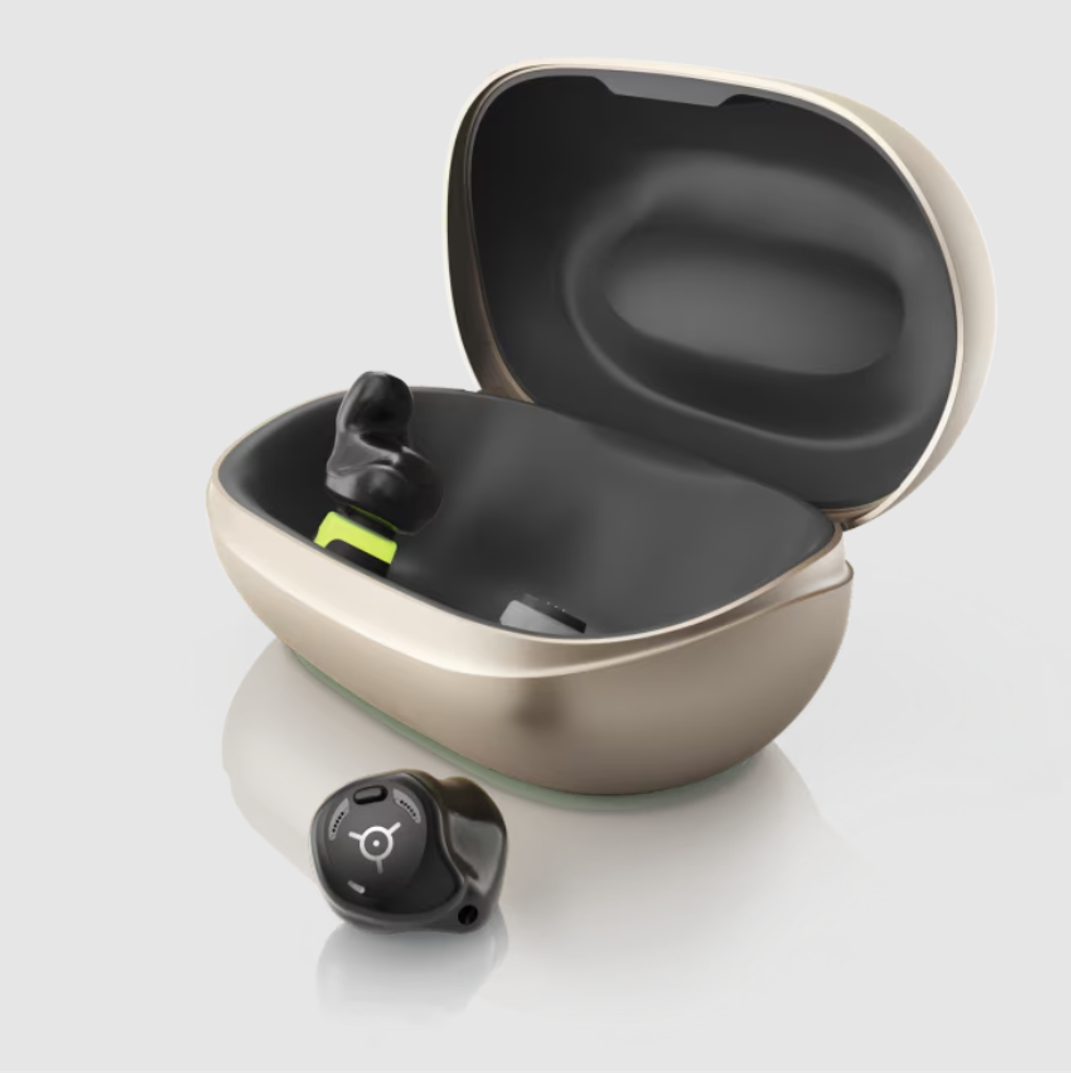
For many people, accepting that they have hearing loss can take time. In fact, it can be several years before