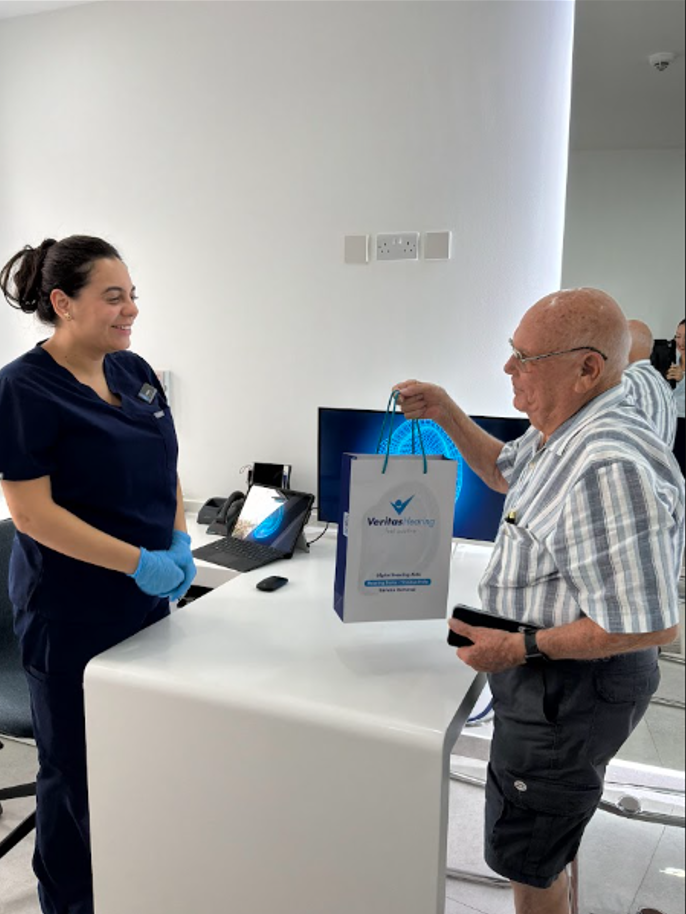
Is It Appropriate to Gift a Hearing Consultation to a Loved One?
If you’re wondering whether it’s appropriate to gift a hearing consultation to a loved one, the short answer is yes!


Hearing aids are small, delicate, and high-value devices. This makes them easy to misplace and vulnerable to damage. For that reason, many people consider hearing aid insurance as a way to protect their investment and maintain peace of mind.
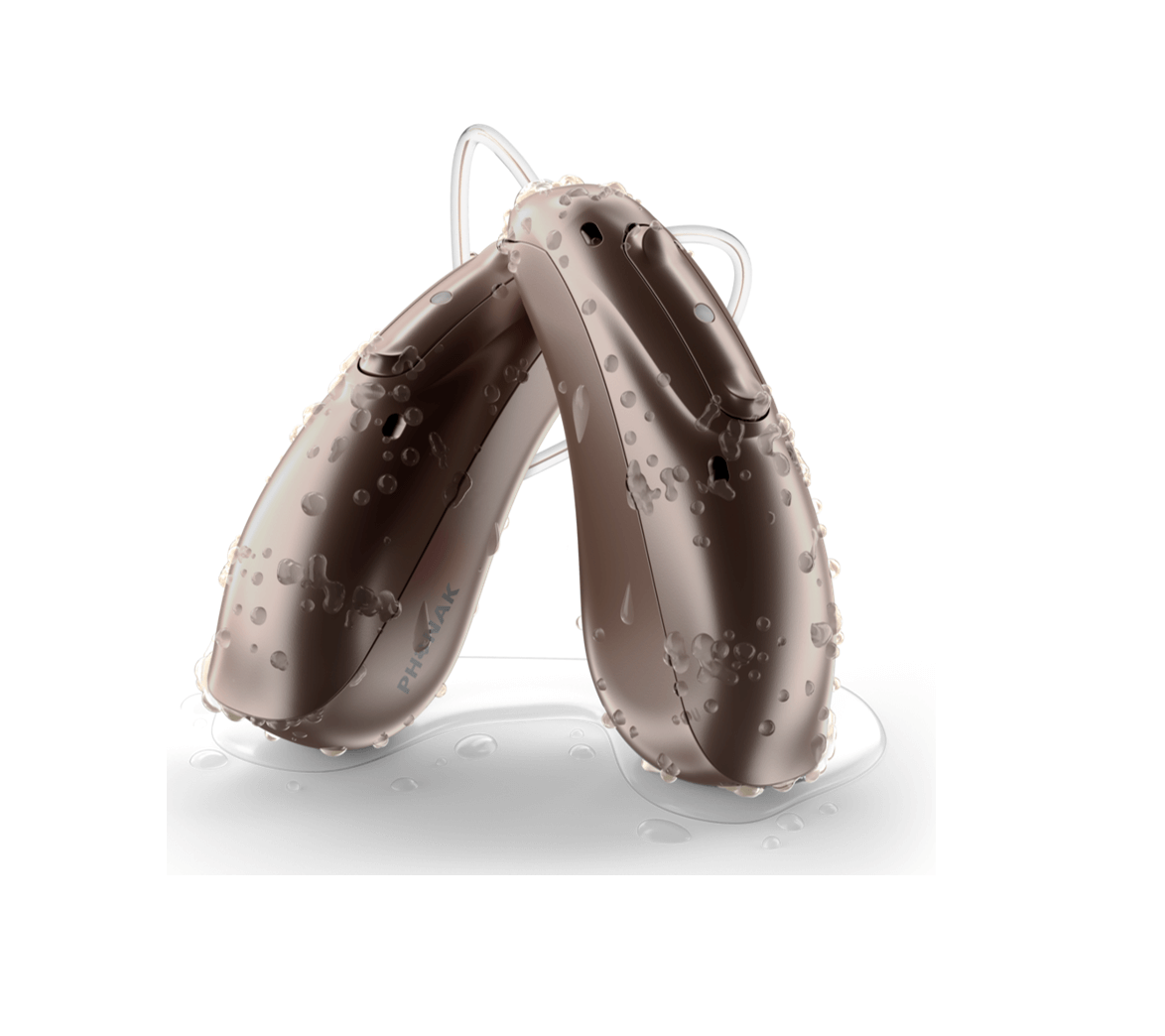
Deciding whether to insure your hearing aids is a personal choice. However, it’s worth understanding the risks involved. Because hearing aids are worn throughout the day in different environments, they can be exposed to:
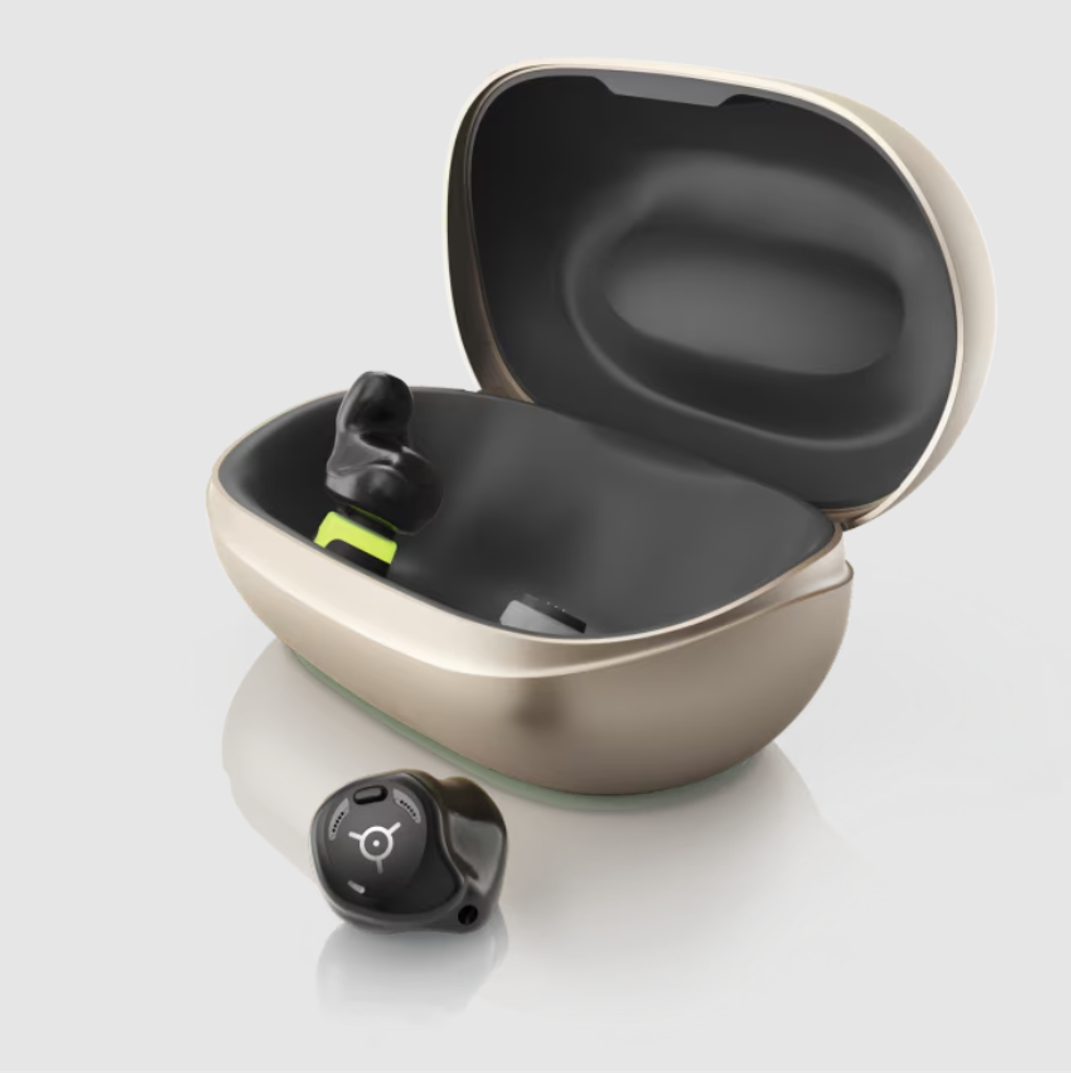
If replacing your hearing aids would be financially difficult, insurance may be a sensible option to consider.
Before purchasing a specialist policy, it’s a good idea to check whether your home insurance already covers hearing aids. Some policies include them, but the level of cover may be limited. If additional protection is needed, dedicated hearing aid insurance policies typically include:
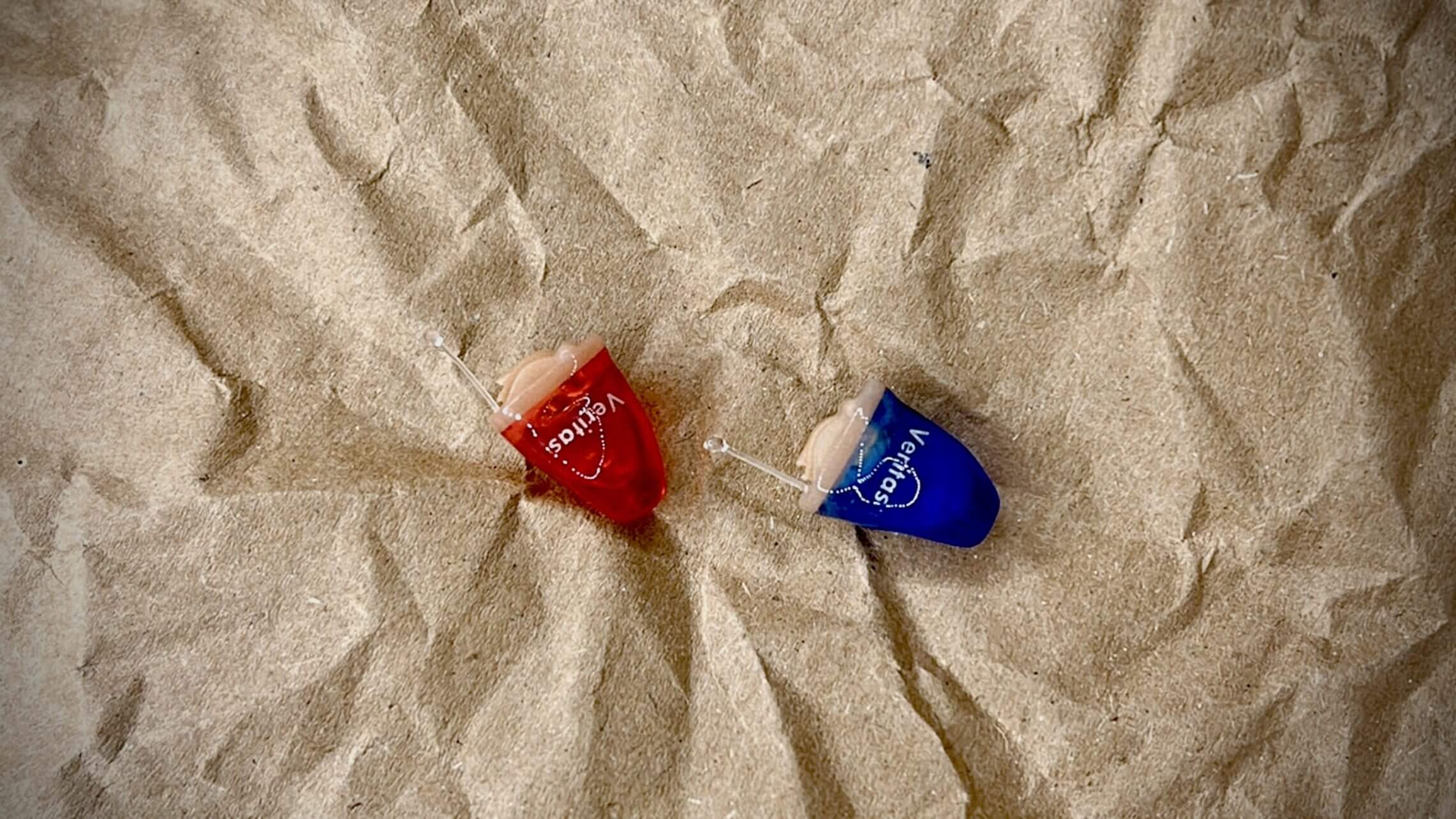
Always read the policy carefully. Make sure you understand:
When applying for hearing aid insurance, most providers will ask for:
If you don’t have all this information, your audiologist or hearing clinic should be able to help.
Hearing aid insurance isn’t essential for everyone. However, for those who rely on their devices every day, it can provide valuable reassurance.
Knowing that your hearing aids are protected against loss, damage, or faults can make everyday life a little less stressful, especially given how important they are to your quality of life.
If you’re unsure whether hearing aid insurance is right for you, we are more than happy to offer further advice.
If you’re wondering whether it’s appropriate to gift a hearing consultation to a loved one, the short answer is yes!

Noise is simply part of modern life. From constant construction and roadworks to rush-hour traffic, aircraft overhead and the hum
For many people, accepting that they have hearing loss can take time. In fact, it can be several years before