What Hearing Healthcare Services Do We Offer?
Looking after your hearing is an important part of your overall health and wellbeing. We provide a range of professional

Whether your hearing aid has stopped working, is making a whistling noise, or doesn’t seem as effective as it used to be, these troubleshooting tips could help get it back to performing at its best.
If your hearing aid appears to be completely unresponsive, don’t panic. There are several simple checks you ca n carry out at home.
If you wear battery-powered hearing aids, the first step is to replace the battery with a new one, even if you don’t think the existing battery should be flat. Batteries can occasionally drain sooner than expected, and replacing it is the quickest way to rule out the most common cause.
For rechargeable hearing aids, inspect both the hearing aid and the charger carefully. Dust, dirt or debris on the charging contacts can prevent the device from charging properly overnight.
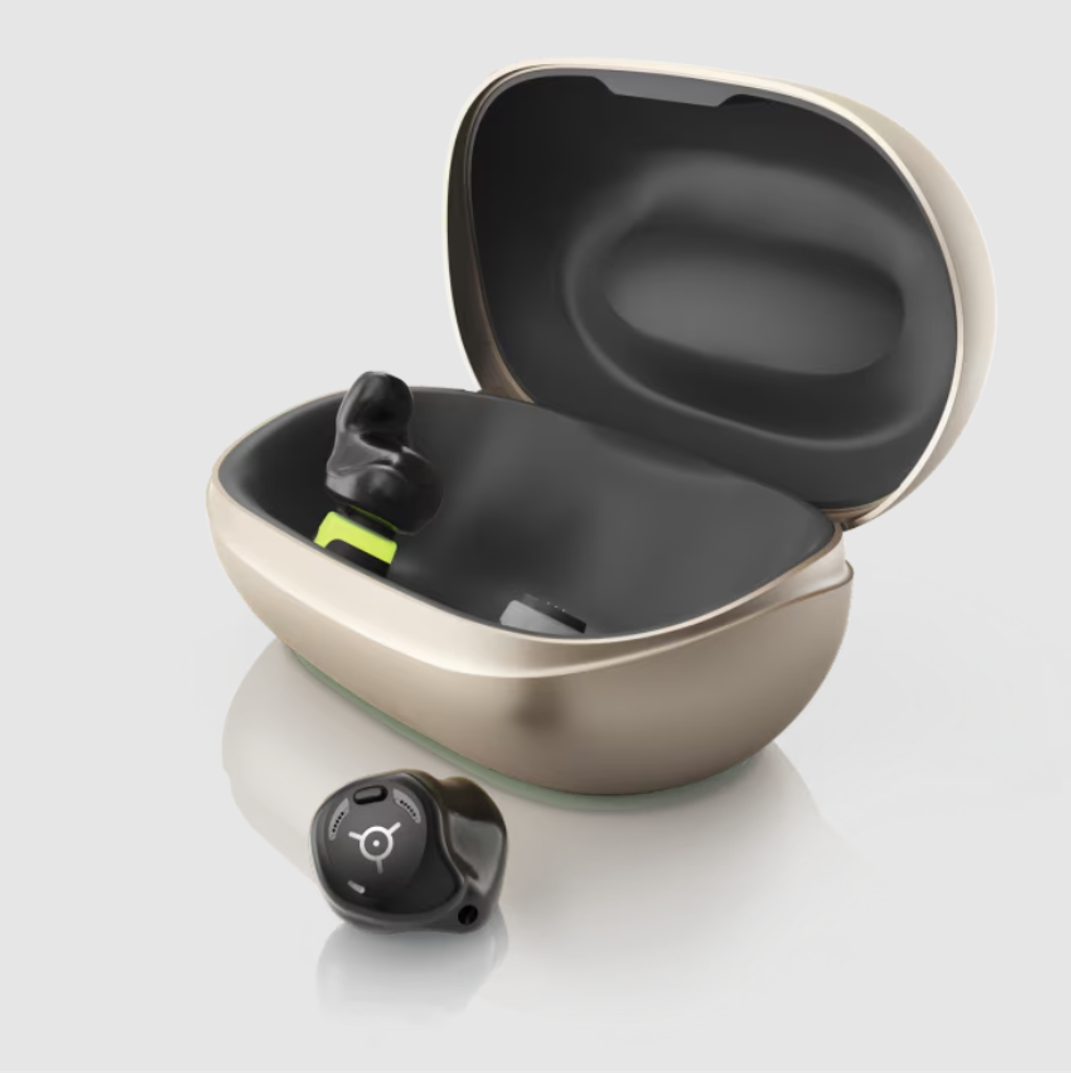
Phonak hearing aids and their charger.
Ensure the charging contacts are clean and that the hearing aid is seated correctly in the charger. A gentle wipe with a dry, soft cloth is usually enough to remove any surface debris.
If your hearing aid still isn’t working after trying these steps, it’s time to contact your hearing care professional for further assessment.
A whistling or squealing hearing aid is usually caused by one of three issues:
While damage to the hearing aid itself is possible, it is relatively uncommon, particularly if your hearing aids are less than three years old.
Earwax is one of the most common causes of hearing aid feedback (whistling). Wax may have built up inside your ear canal or blocked the hearing aid’s wax filter.
Start by replacing the wax filter, as this should be done approximately once a month as part of routine hearing aid maintenance.
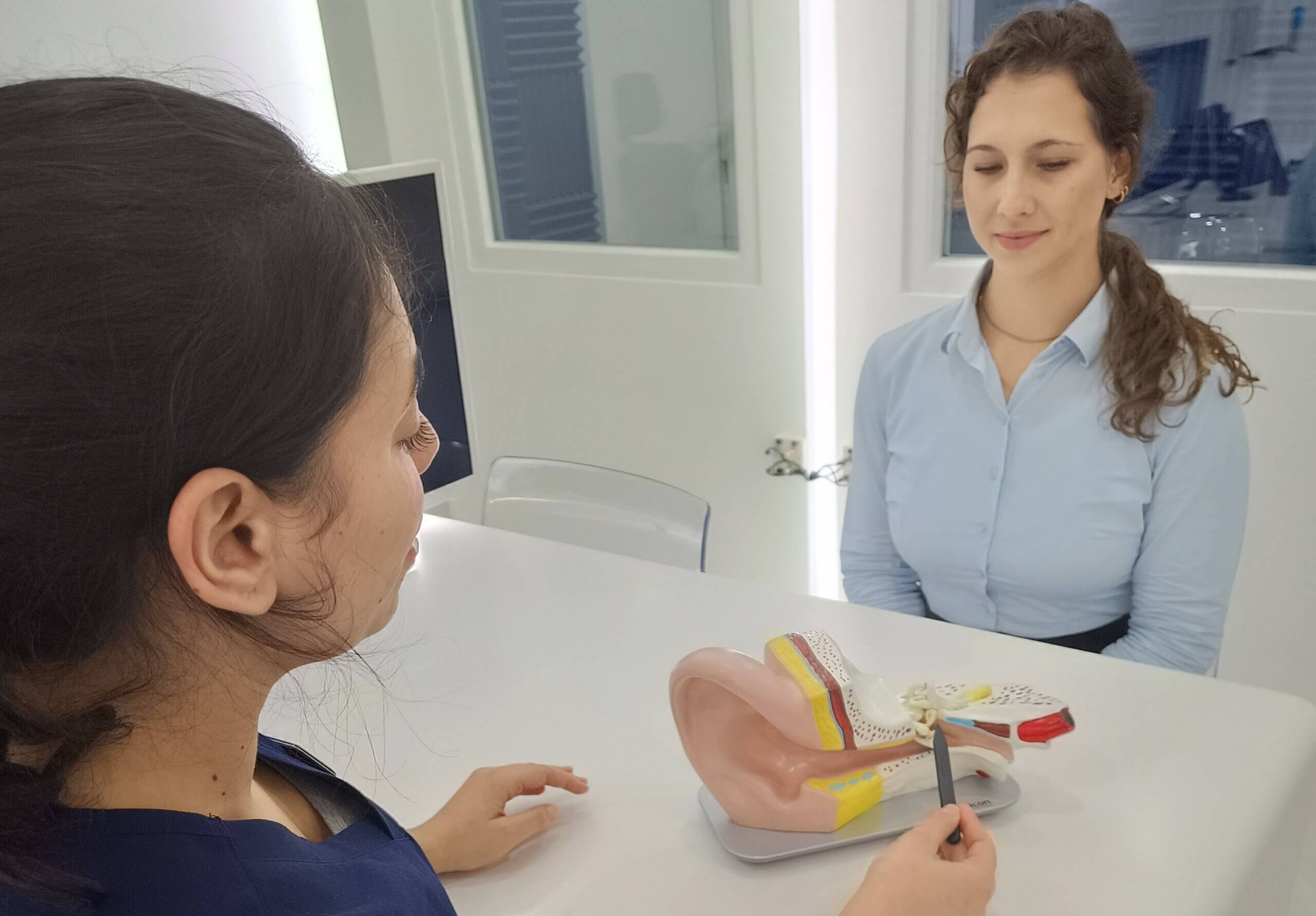
If changing the filter doesn’t solve the problem, arrange an appointment with your hearing care professional. They can safely examine your ears and remove any excess earwax if necessary.
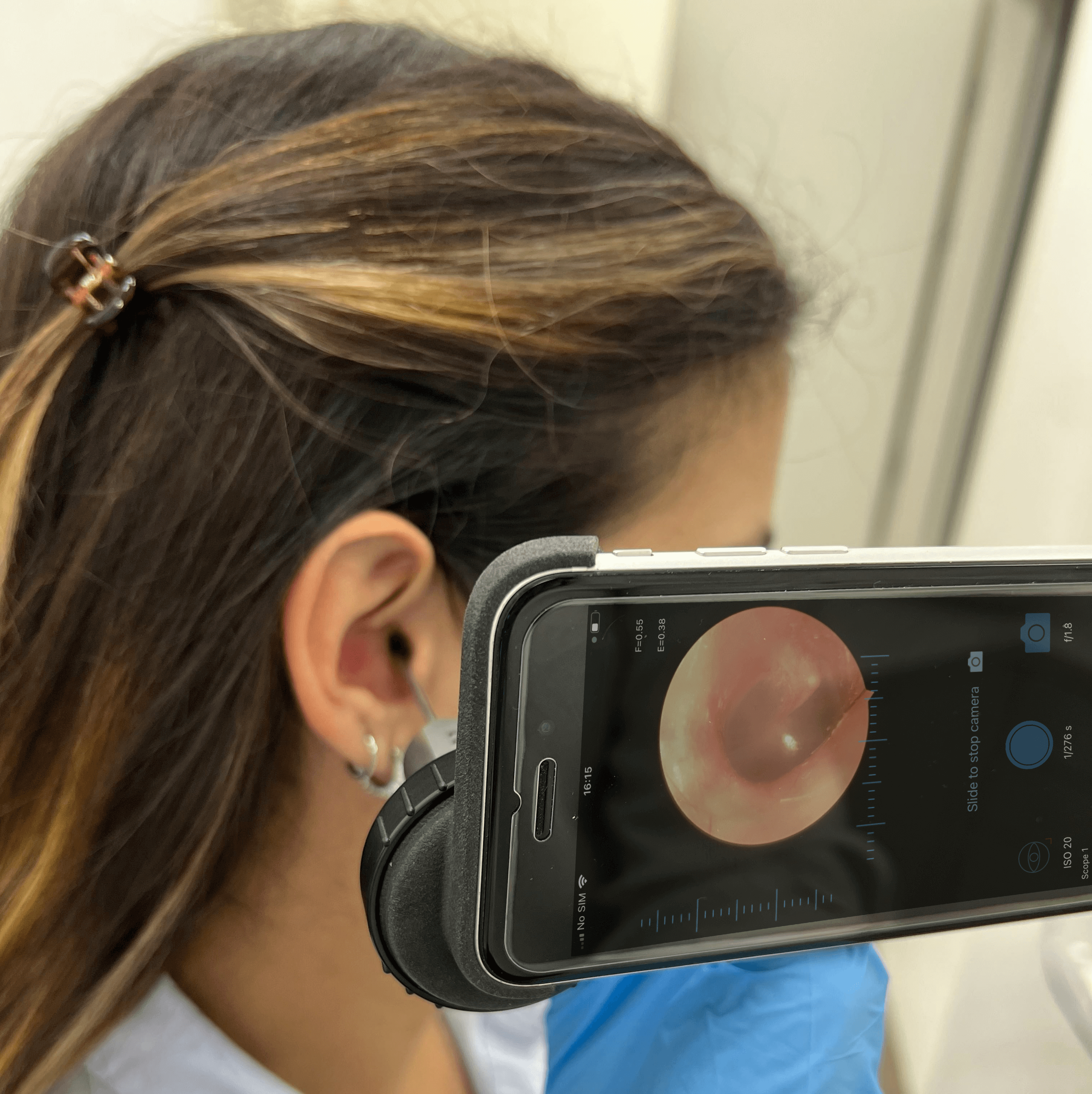
Excess earwax can be removed easily by a hearing care professional.
Whistling can also occur if your hearing aid isn’t sitting correctly in your ear. This may be because:
If you’re unsure whether your hearing aid fits correctly, your hearing care professional can assess the fit and recommend any adjustments.
If your hearing aids don’t seem to be performing as well as they used to, they may simply need a thorough clean.
Begin by visually inspecting your hearing aids to identify any visible dirt, earwax or debris.
Using a soft, dry cloth, gently wipe the hearing aids clean. Never use water, cleaning sprays or immerse your hearing aids in water, as moisture can permanently damage the delicate electronics.
Next, use a small cleaning brush to carefully remove any wax from the microphone ports, receiver and other openings.
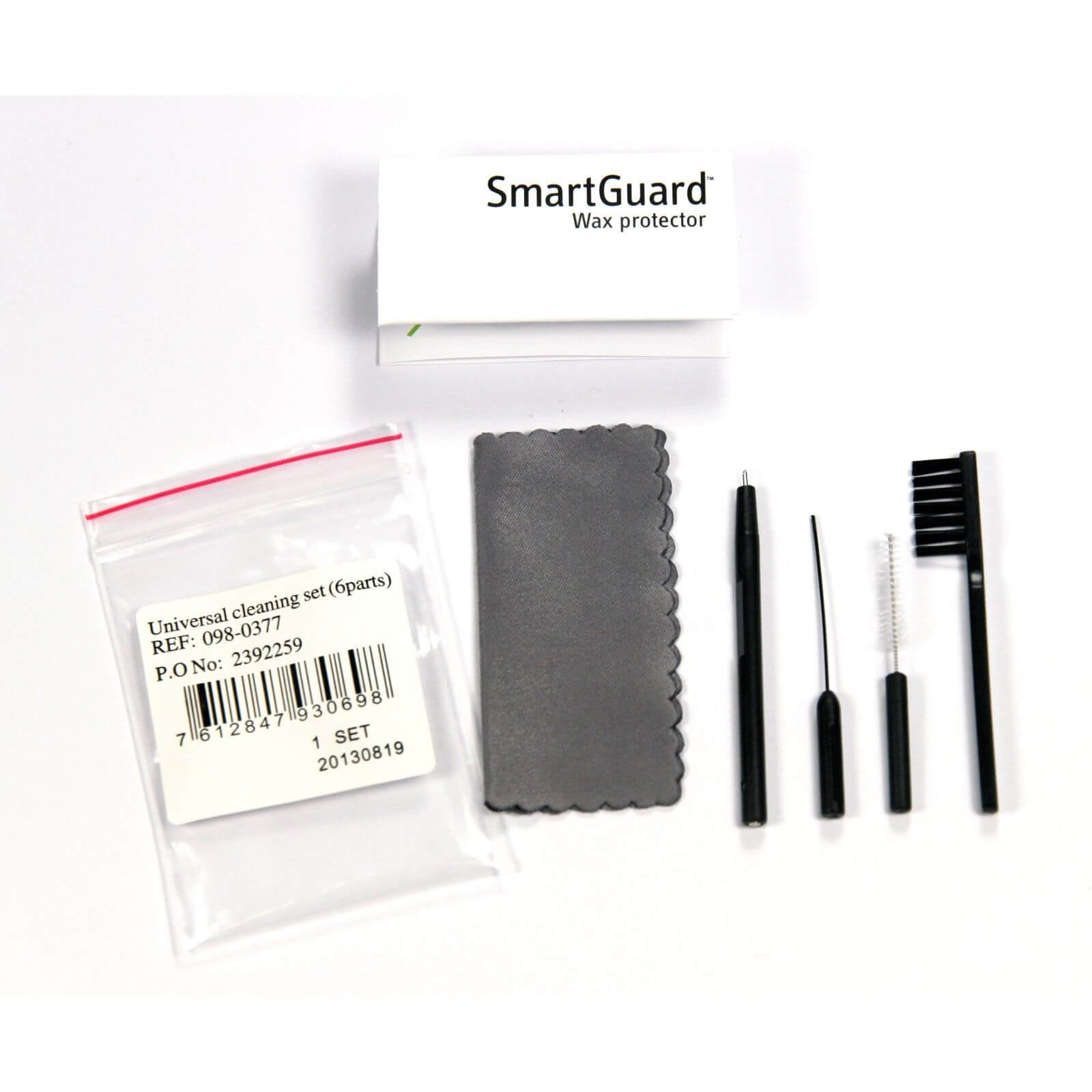
An example of a hearing aid cleaning kit.
Once your hearing aids are clean, check whether it’s time to replace the wax filters and domes (if your hearing aids use them). These components should typically be changed every month to prevent blockages that can reduce sound quality.
If cleaning your hearing aids doesn’t improve their performance, it may be time to book a hearing aid service. Your hearing care professional can check that your devices are functioning correctly and determine whether your hearing has changed since your last assessment.
Regular servicing helps keep your hearing aids performing at their best and ensures you’re receiving the greatest possible benefit from them.
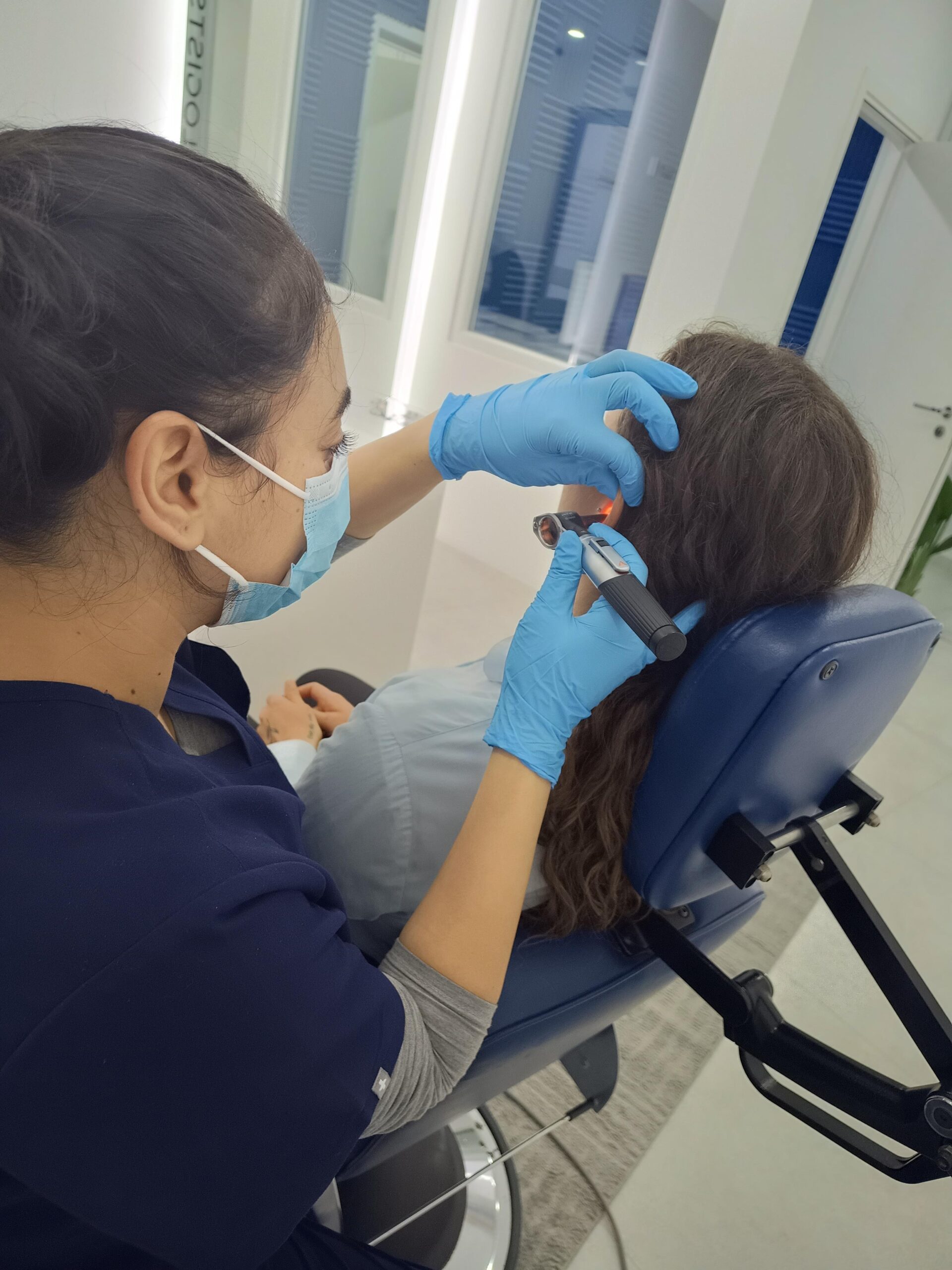
It’s important to keep up with your 6 monthly hearing check ups.
Many hearing aid issues can be resolved quickly at home with a few simple maintenance checks. However, if you’ve tried these troubleshooting steps and your hearing aids still aren’t working properly, don’t hesitate to contact your hearing care professional.
A professional inspection can identify any underlying issues and get you back to hearing clearly as soon as possible.
Looking after your hearing is an important part of your overall health and wellbeing. We provide a range of professional
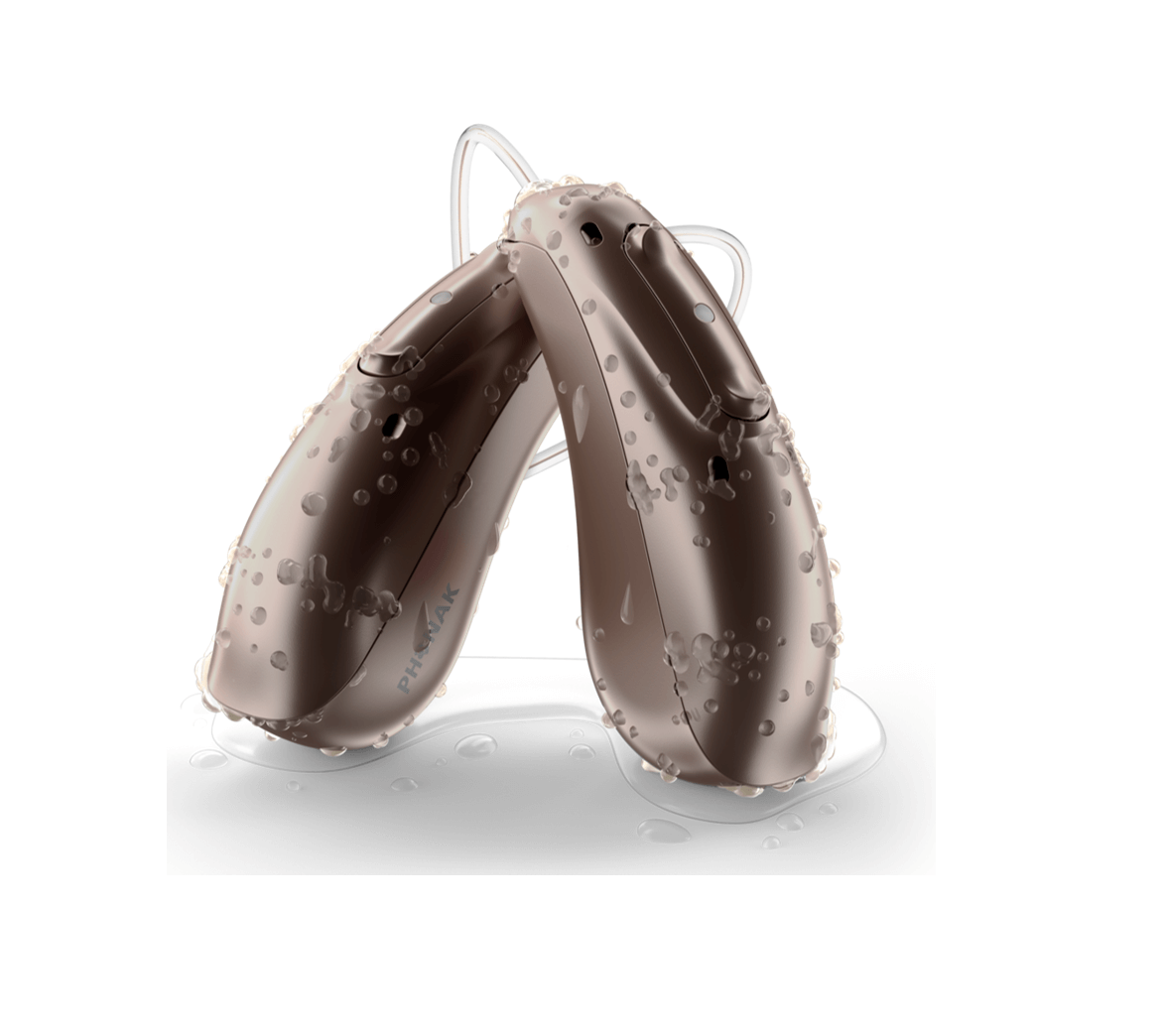
If you wear hearing aids, you may wonder whether getting caught in the rain could damage them. While hearing aids

Hearing loss is a common part of ageing, but that doesn’t mean you have to let it affect your quality