Is It Appropriate to Gift a Hearing Consultation to a Loved One?
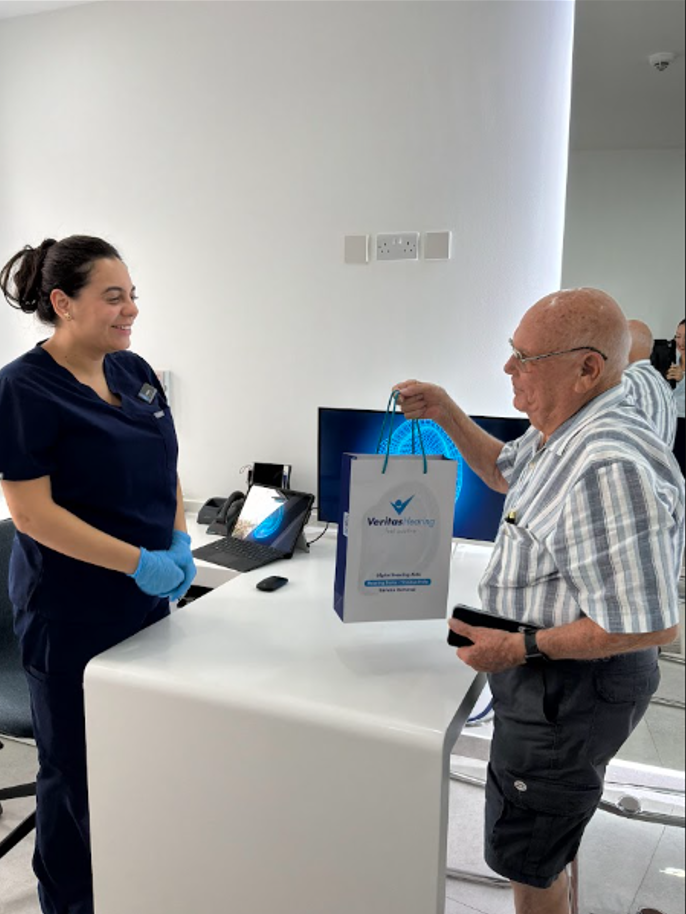
If you’re wondering whether it’s appropriate to gift a hearing consultation to a loved one, the short answer is yes!

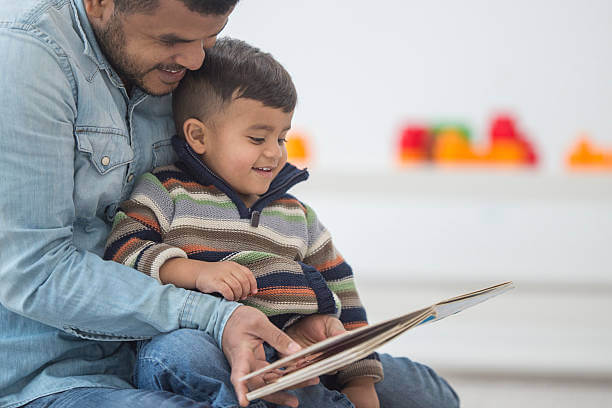
Hearing plays a vital role in a child’s development. From birth, children learn to communicate, develop language skills, build relationships, and succeed at school by listening to the world around them. They also learn through incidental learning, absorbing conversations and sounds they hear naturally throughout the day.
When hearing loss occurs, it can affect speech and language development, learning, confidence, and social interaction. The earlier hearing loss is identified, the better the outcome. With prompt diagnosis and appropriate support, including hearing aids or cochlear implants where appropriate, children can continue to learn, develop, and thrive.
Hearing loss can sometimes develop gradually, making it difficult to recognise. Some common signs include:
If you notice any of these signs, it’s worth arranging a professional hearing assessment.
Noise-induced hearing loss occurs when the delicate structures inside the inner ear are damaged by loud sounds. Unlike some other forms of hearing loss, this type of damage is usually permanent, but it is also largely preventable.
Extended exposure to sounds above 70 dB can begin to damage hearing over time, while sounds above 120 dB may cause immediate hearing damage. Listening to music, videos, or games at high volumes through headphones for prolonged periods can significantly increase this risk.
Symptoms of excessive noise exposure may include:
Although a single very loud noise can cause hearing damage, it is often repeated exposure to high volumes over months or years that has the greatest impact.
The good news is that technology can also help protect hearing.
Apple has introduced useful hearing safety features on iPhones and iPads that allow parents to set maximum headphone volume limits for their children’s devices. This helps prevent children from accidentally increasing the volume to potentially harmful levels.
Parents can also use the Health app to monitor their child’s headphone listening habits. It records average sound exposure over time and provides alerts if listening levels are consistently too high, making it easier to encourage safer listening habits.
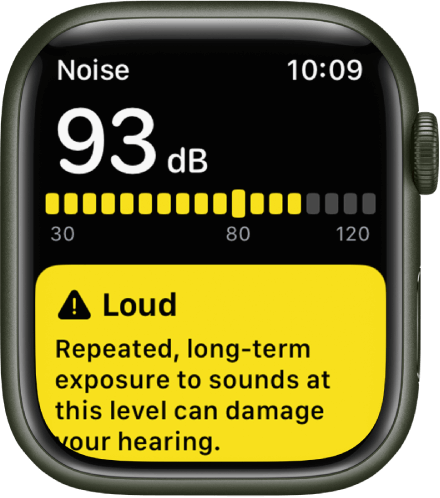
Apple will inform you if you are being exposed to a dangerous level of noise.
Setting device volume limits is an excellent first step, but parents can provide even greater protection by choosing child-friendly headphones.
Many children’s headphones include built-in volume limiters, which cap the maximum sound level to help reduce the risk of noise-induced hearing loss. Combined with regular listening breaks and sensible volume levels, these headphones can help protect children’s hearing while they enjoy their favourite music, games, and educational content.
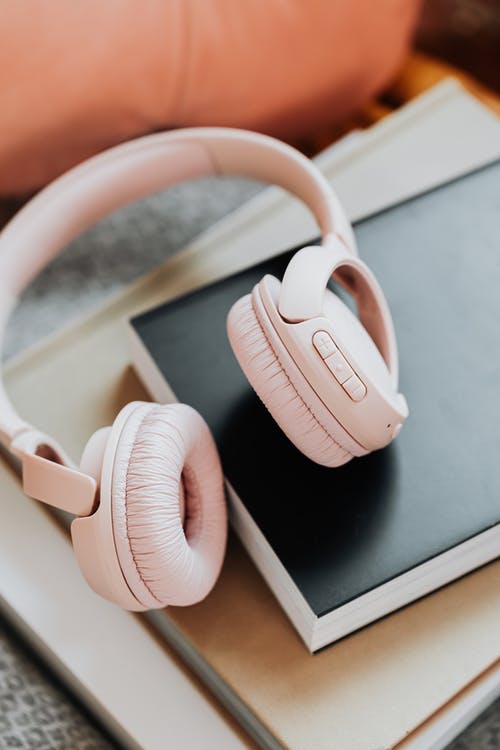
You should always listen to music at a safe level with your headphones.
Healthy hearing is essential for learning, communication, and overall wellbeing. Encouraging safe listening habits from an early age can help protect your child’s hearing for years to come.
If you have concerns about your child’s hearing, would like advice on safe listening, or wish to arrange a professional hearing assessment, we’d be happy to help. Please get in touch to book a consultation.
If you’re wondering whether it’s appropriate to gift a hearing consultation to a loved one, the short answer is yes!

Noise is simply part of modern life. From constant construction and roadworks to rush-hour traffic, aircraft overhead and the hum
For many people, accepting that they have hearing loss can take time. In fact, it can be several years before